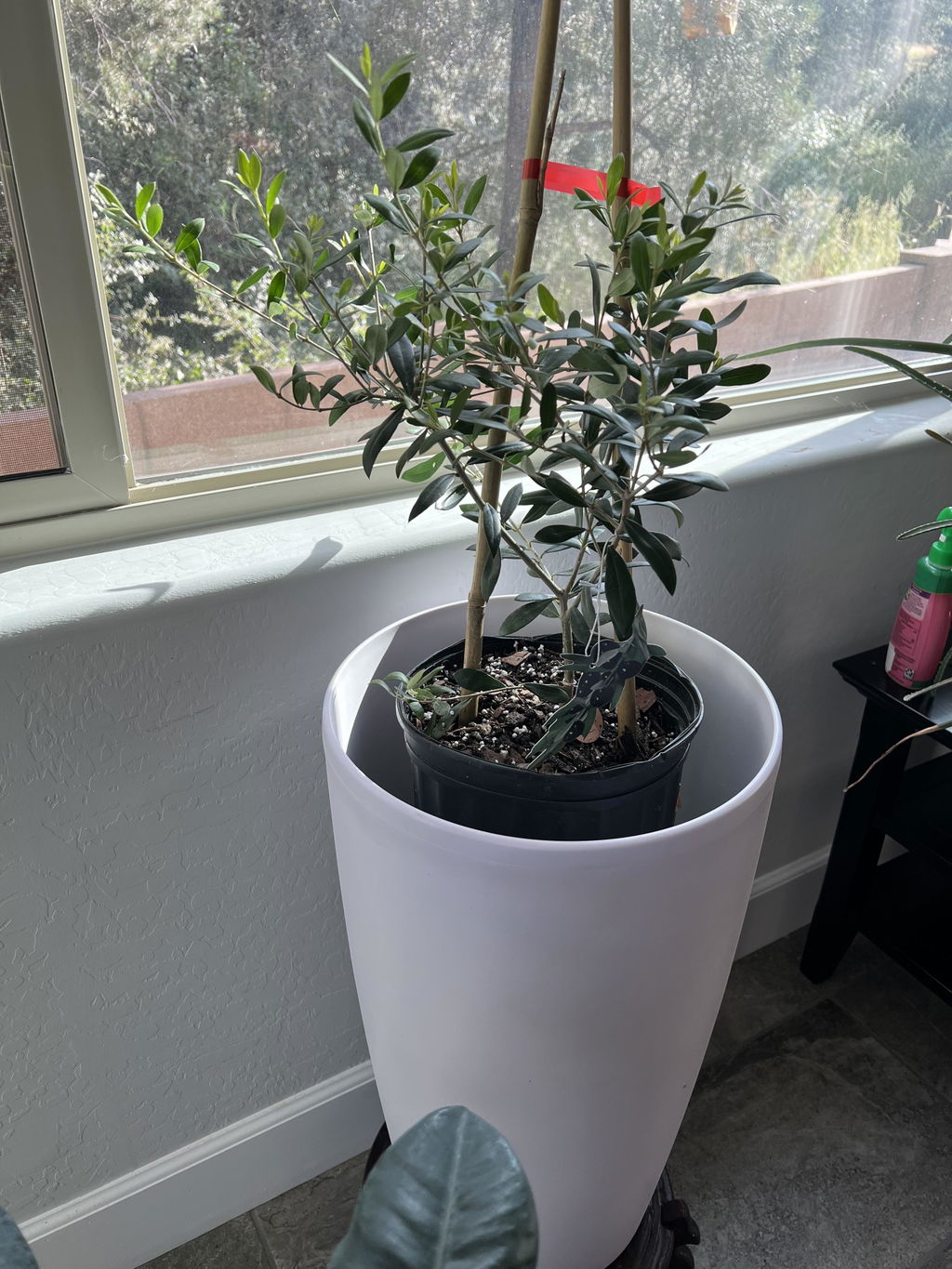
Your Guide to Growing Surinam Cherry – A Lush Addition to Your Garden
- Surinam cherry (Eugenia uniflora) is a vibrant, easy-to-grow fruiting shrub or tree beloved for both ornamental and culinary value.
- Adaptable to different soils and climates, with a preference for frost-free, sunny environments.
- Yields unique, ribbed, sweet-tart fruits that are both nutritious and versatile in the kitchen.
- Understanding proper care, harvest time, and pest management is essential for a thriving plant and abundant fruit.
- Community sharing enhances the joy of growing Surinam cherries, so swap stories, recipes, and tips!
Introduction
There’s a certain magic in nurturing life and watching your garden bloom. The Surinam cherry, with its luminous, pumpkin-shaped fruits, invites color, taste, and adventure to your backyard. Originating from South America, Surinam cherry (Eugenia uniflora) is as delightful to behold as it is to taste, making it an irresistible focal point for gardeners seeking a lush and fruitful retreat.
Whether you are an experienced gardener or a curious beginner, growing Surinam cherries will reward you with juicy harvests and a deeper connection to your green space. Ready to add a tropical twist to your landscape? Let’s journey together, nurturing nature and harvesting happiness!

Understanding the Surinam Cherry
What is Surinam Cherry?
The Surinam cherry is a tropical, evergreen shrub or small tree, capable of reaching heights of 6–20 feet when fully mature. Its dense, glossy foliage provides year-round green, creating the perfect privacy screen or edible hedge in your garden.
What truly sets the plant apart? Its striking fruits, deeply ribbed, resembling miniature pumpkins, appear in shades that transform from green or orange to bright red or nearly black at peak ripeness. It’s ornamental and edible, all in one!

Taste and Flavor Profile
Surinam cherries surprise with their wide flavor spectrum: from sweet-tart and fruity to bold, peppery notes, which come from the plant's high concentration of essential oils and terpenes, giving it that unique tropical zing. The red to nearly black fruits tend to be sweeter, while the orange ones may carry a tangy punch.
Pro gardeners recommend sampling fruits at various stages for a personalized, palate-pleasing harvest!
Growth Requirements
Planting Location
Surinam cherry loves warmth! This resilient plant thrives best in tropical and subtropical climates, where temperatures rarely dip below freezing. Choose a planting spot that receives full sun for maximum fruit production, although light shade is also tolerated, especially in hotter regions.
Soil Conditions
Success starts beneath your feet. While adaptable, well-drained soil is crucial, Surinam cherry does not tolerate waterlogged roots. Prior to planting, enrich the soil with organic matter like compost or aged manure to boost fertility and structure.
- Check for drainage by filling the planting hole with water; ensure it drains within a few hours.
- If the soil is heavy, incorporate sand or fine bark to improve drainage.

Care and Maintenance
Watering and Fertilization
Young Surinam cherry plants benefit from regular watering, keeping the soil moist but not soggy. Mastering the balance to save your plants from overwatering is vital during these early establishment months to encourage deep rooting. Mature trees are drought-tolerant, but periodic deep watering during dry periods results in more abundant and juicier fruits.
- Signs of water stress: drooping leaves, pale foliage, or fruit drop.
- Choose a balanced fertilizer or organic blends (such as a citrus fertilizer) in early spring and midsummer for vibrant growth.
Pruning Techniques
Pruning is key for a shapely, productive plant. Prune just after harvest or in early spring before new growth begins:
- Remove dead, damaged, or inward-growing branches.
- Thin the canopy slightly to improve air flow and sun penetration.
- Shape shrub for fullness, or train as a small tree by selecting a central leader.
Pest and Disease Management
Surinam cherries suffer from relatively few pests, but you may encounter fruit flies, scale, or fungal leaf spots. Organic methods include:
- Spraying neem oil or insecticidal soap.
- Removing dropped or rotting fruit to limit infestation.
- Mulching with care to avoid moisture buildup near trunks.

Harvesting Your Surinam Cherries
When to Harvest
The Surinam cherry fruit ripens quickly, sometimes overnight! Look for:
- Deep red to black hues and a soft touch for the sweetest taste.
- Fruits that release easily from the stem with a gentle tug.
“Patience pays off: underripe Surinam cherries may taste resinous, wait for deep coloring before picking!” Since color is the primary indicator of sweetness here, refining your ability to recognize fruit ripeness signals prevents the disappointment of a resinous, underripe bite.
How to Harvest
Gently twist fruits from the stem to avoid harming delicate branches. Handle with care, Surinam cherries bruise easily. Store picked fruits in the fridge and use within 2–3 days for best freshness. Surplus can be frozen or preserved into jams and jellies.

Culinary Uses
Fresh Eating
Enjoy Surinam cherries straight from the bush for an invigorating, fruity burst! Their sweet and tart flesh adds excitement to fruit salads, yogurt, or breakfast cereals. Or try tossing them into a garden-fresh salsa for a subtle tropical twist.
Preserving
Can’t finish the bounty? Surinam cherries turn into mouthwatering jams, jellies, and syrups, perfect for morning toast or pancakes. For a unique treat, infuse cherries into juices, homemade wines, or artisanal liqueurs, extending the garden’s flavor year-round.
Creative Uses
Experiment freely, bake Surinam cherries into pies or pastries, whip up sauces for poultry, or top sorbets and ice creams. Inspiration abounds in gardening forums, where fellow enthusiasts share mouthwatering ideas. What surprising creation will you bring to the table?

Conclusion
Growing Surinam cherry is an act of creativity, courage, and community. Each fruit harvested is a testament to your care and curiosity. Don’t just grow a tree, grow a story worth telling. Whether you need a healthy Surinam Cherry sapling to start that story, or the tools to nurture it, Gingerglow is here to help.
“Let’s grow together!” Share your Surinam cherry journey with friends and neighbors, online and in your local community.
FAQ
What is the best variety of Surinam cherry for sweet fruit?
Answer: Look for “Black” varieties or select dark-ripe fruit for the sweetest flavor.
Can Surinam cherry grow in pots?
Answer: Yes, choose a large container with ample drainage, and repot as the plant matures.
Is Surinam cherry invasive?
Answer: In certain regions (Florida, Australia), Surinam cherry can be invasive. Always check local guidelines and manage your plant responsibly.
How long does it take for the Surinam cherry to fruit?
Answer: Seed-grown plants produce in 2–3 years; grafted or mature nursery plants may fruit sooner.
Are Surinam cherries healthy to eat?
Answer: Absolutely, rich in vitamin C, antioxidants, and fiber, they make a nutritious snack!