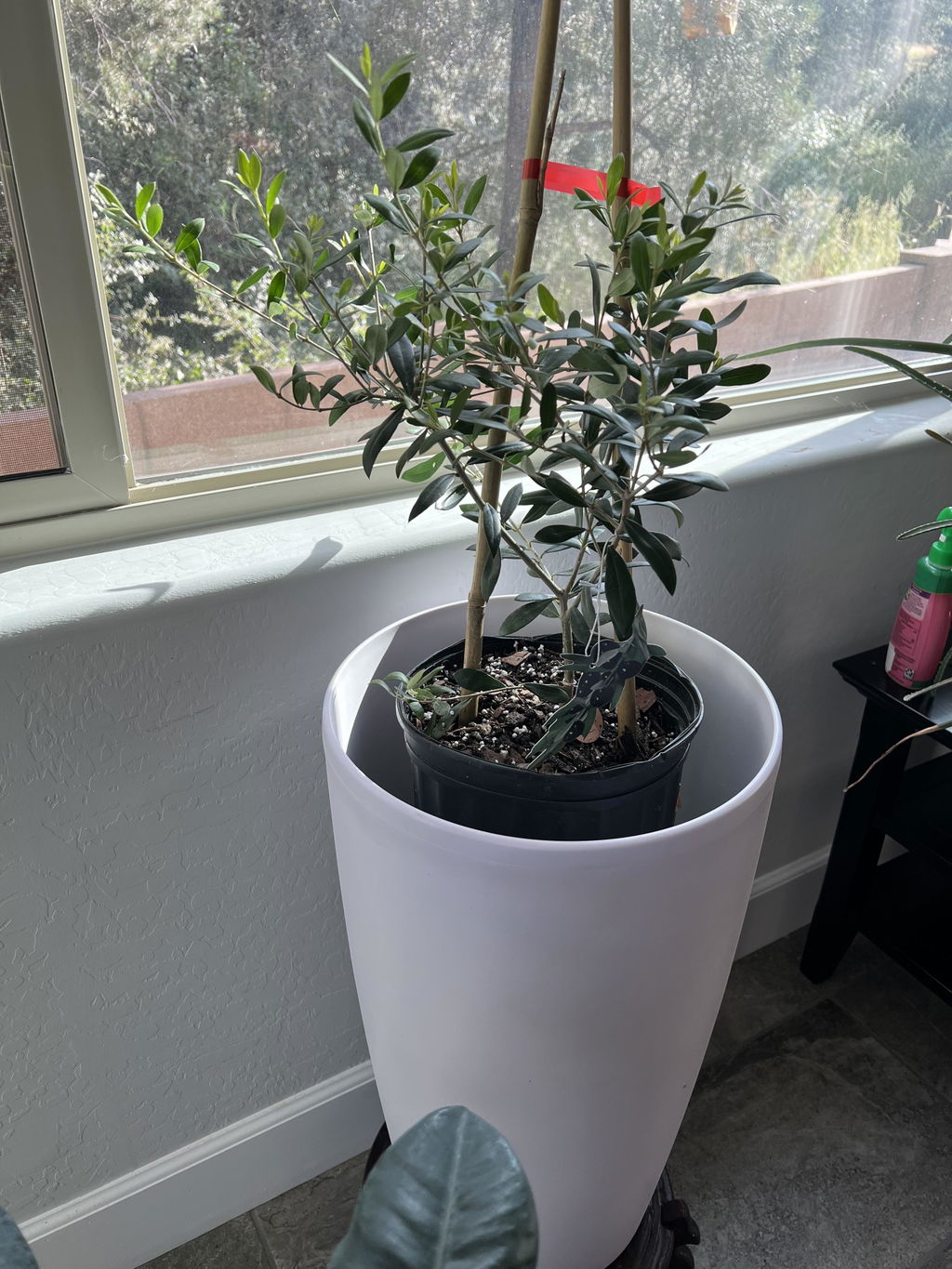
Known for its unique fragrance and vibrant green leaves, pandan (Pandanus amaryllifolius) is a beloved staple in Southeast Asian cuisine. Whether you are a seasoned gardener or just starting, this guide is designed to empower you with the knowledge you need to cultivate and care for your very own pandan plant. Together, let’s elevate your outdoor oasis and embark on this botanical journey!
Key Takeaways
- Discover the pandan plant
- Learn the ideal conditions for growing healthy pandan
- Explore practical propagation and pandan plant care techniques
- Find solutions to common pandan growing challenges
Table of Contents
- Understanding the Pandan Plant
- Ideal Growing Conditions for Pandan Plant
- Pandan Plant Care
- Propagation Tips
- Common Problems and Solutions
- FAQ
Understanding the Pandan Plant
Pandan is more than just a plant; it’s a sensory experience. This evergreen shrub belongs to the screwpine family and is cherished for its long, strap-shaped leaves that emit a sweet, nutty aroma. When used in cooking, pandan leaves infuse dishes with a delightful flavor reminiscent of vanilla and almonds. This unique scent comes from the compound 2-Acetyl-1-pyrroline, the same aroma found in jasmine rice and white bread. While it may not bear flowers or fruit, its lush, green foliage can transform any garden into a tropical retreat.
In Southeast Asian cultures, pandan leaves are renowned for their culinary applications. They are often used to flavor rice dishes, curries, desserts, and beverages.

Ideal Growing Conditions
- Climate: Aim for a frost-free, tropical environment. In cooler regions, you can grow pandan plant in a container so it can be brought indoors when needed. For those in borderline zones, monitoring your local frost dates is crucial to bringing your tropical companion inside before the temperature drops.
- Light: Provide bright, indirect sunlight or partial shade. The leaves prefer a balance of moisture and airflow, so choose your planting spot wisely. Since intense midday sun can scorch the foliage, understanding the distinction between bright light and low light zones will help you position the plant where it maintains that signature vibrant green.
- Soil: Pandan plant likes rich, moist, well-drained soil. It’s a hardy plant that can even tolerate heavy, waterlogged conditions, as long as the warmth is sufficient.
- Temperature: Pandan grows best in temperatures between 70°F and 95°F (21°C–35°C) and performs exceptionally well in tropical and subtropical climates. Growth may slow when temperatures fall below 60°F (16°C), and exposure to frost can severely damage or kill the plant.

Pandan Plant Care
Watering Needs
To keep your pandan plant thriving, consistently moist soil is key. During hot weather, outdoor plants may require watering several times per week, while container-grown pandan often needs more frequent watering than plants grown in the ground. If leaf tips begin turning brown, it may be a sign that the plant is not receiving enough moisture.
Fertilization
Regular feeding encourages vigorous leaf production and stronger growth. Apply a balanced organic fertilizer or slow-release fertilizer every 6–8 weeks during the growing season. For container-grown pandan plants, monthly feeding with a diluted liquid fertilizer can help replace nutrients lost through frequent watering. Avoid excessive nitrogen, which may encourage rapid growth at the expense of overall plant health.
Pruning & Maintenance
Pandan plant requires very little pruning. Remove yellow, damaged, or aging leaves as they appear to improve airflow and maintain a tidy appearance. If the plant becomes too large for its space, trim older outer leaves at the base rather than cutting the center growth point. Regular maintenance helps encourage fresh new foliage and keeps the plant looking healthy year-round.
Harvesting Pandan Plant
One of the advantages of growing pandan plant at home is the ability to harvest fresh leaves whenever needed. Wait until the plant is well established, then cut mature outer leaves close to the base using clean scissors or pruning shears. Avoid removing more than one-third of the foliage at a time, as this can slow growth.
Related: Seasonal plant care checklist
Propagation Tips
 Pandan plant can be easily propagated by dividing the clumps or offshoots, often referred to as "pups", that form around the base of the plant. Each pup has its own roots, making it easy to pot them separately. Here’s how:
- Gently remove the plant from its pot or dig it up from the ground.
- Locate the pups, ensuring each has sufficient roots attached.
- Cut the pups free and replant them in their own containers filled with quality soil.
Now you have even more pandan plants to enjoy or to share with friends and family!
Common Problems and Solutions
Here are some common issues and their solutions when it comes to caring for pandan plant:
- Yellowing Leaves: This often indicates poor drainage or overwatering. Make sure your soil is well-draining and adjust your watering schedule. However, yellowing is a complex signal; cross-referencing your pandan plant's symptoms with the guide on diagnosing yellow leaves and drooping stems ensures you don't mistake overwatering for thirst.
- Pests: Watch out for common pests like aphids and spider mites. A gentle spray of water can help dislodge these pests, and insecticidal soap is a reliable treatment if needed.
- Leggy Growth: If your pandan plant becomes tall and spindly, it may not be getting enough light. Consider moving it to a sunnier spot or adjusting its placement for better indirect light.
Related: Sign of Plant Stress

Whether you are looking for a healthy Pandan plant to begin your collection or the tools to maintain it, GingerGlow is here to support your journey.
So, gather your gardening tools, get ready to dig, and let the alluring fragrance of pandan guide your journey. Happy gardening!
FAQ
How long does it take for pandan plant to grow?
Pandan grows relatively fast in optimal tropical conditions. New pups can become established plants within a few months. With proper care, a healthy pandan can reach a lush, vibrant state within the first year.
Can pandan plant survive indoors?
Yes! Pandan can flourish indoors provided it gets plenty of bright, indirect sunlight and regular watering. Indoor pandan will appreciate a humid environment, so misting or using a tray of water nearby can help.
Are pandan leaves edible?
While pandan leaves are excellent for flavoring foods, they are usually removed before serving, as the tough texture is not pleasant to eat. Still, their extracts and juices are widely used in both sweet and savory cuisines.
Where can I buy a pandan plant?
Many specialty nurseries and online retailers like GingerGlow offer pandan plants for home gardeners looking to get started.