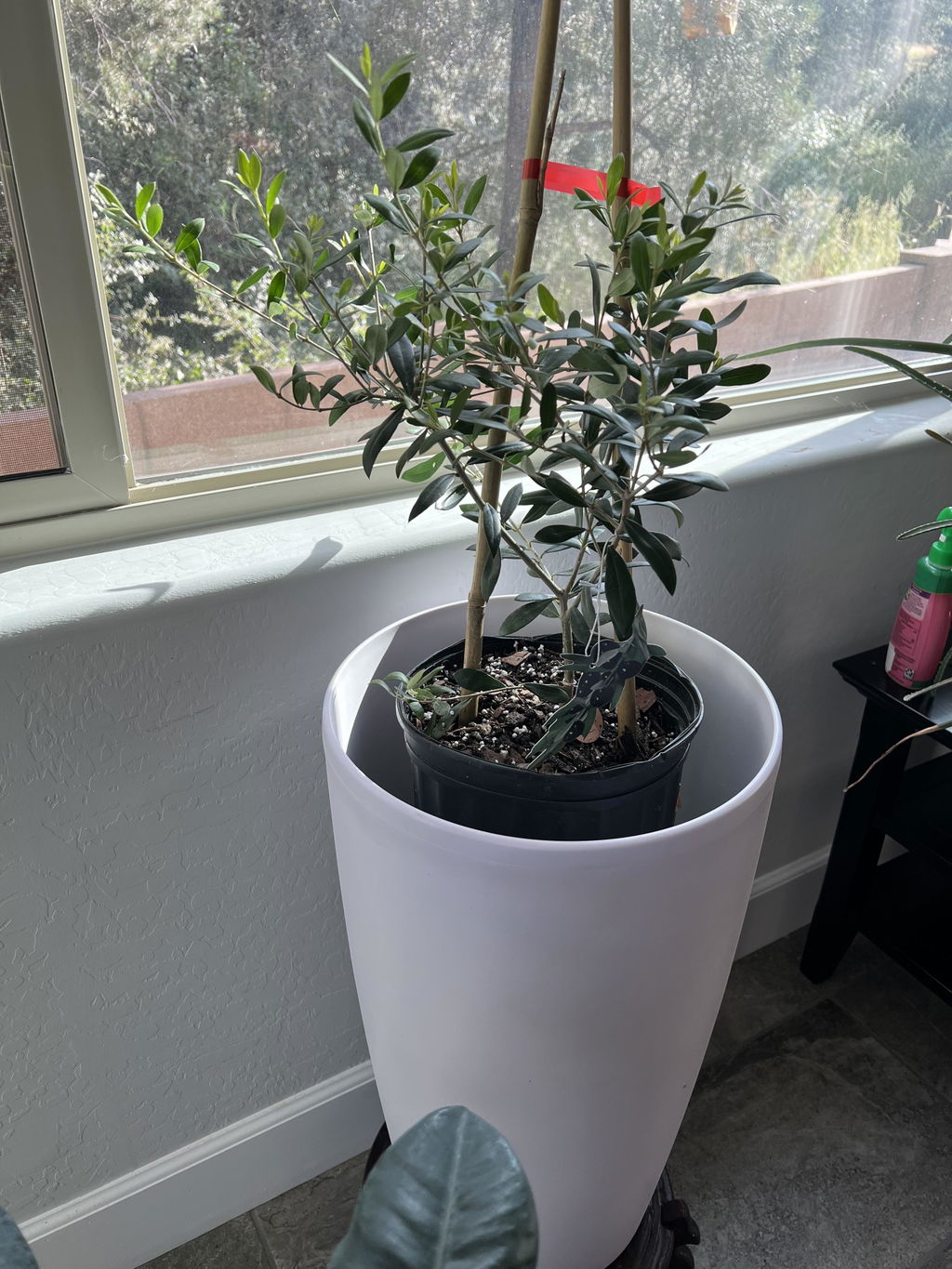
Starting your own herb garden doesn't require years of experience or a green thumb—just the right plants and a little guidance. Whether you dream of fresh basil for pasta night or calming chamomile for evening tea, growing your own herb plant collection at home is one of the most rewarding projects for beginners. These aromatic wonders are forgiving, fast-growing, and deliver flavor and fragrance straight from your windowsill or patio. In this guide, we'll walk you through the best beginner-friendly herbs—including thyme, mint, lemon verbena, and more—so you can start cultivating your indoor or outdoor garden with confidence.
Why Herb Plants Are Perfect for Beginners
If you're new to gardening, herb plants are among the most beginner-friendly crops available. Most herbs grow well in containers, raised beds, and traditional garden plots, making them suitable for almost any living situation.
According to the University of Minnesota Extension, most culinary herbs perform best with well-drained soil and at least six hours of direct sunlight daily. These straightforward requirements make herb plants much easier to manage than many vegetables or flowering plants.
One reason gardeners love herbs is their fast return on investment. Many herb plants can be harvested within weeks of planting, providing immediate rewards for your efforts. Fresh basil for pasta, mint for tea, or thyme for roasted vegetables can all come directly from your garden.
Another advantage is affordability. A single herb plant often produces enough foliage to replace multiple grocery store purchases throughout the season. Perennial herbs such as thyme and mint return year after year, while annual herbs like basil can be replanted easily.
Benefits of growing herb plants include:
- Fast harvests
- Low maintenance requirements
- Excellent container performance
- Culinary and medicinal uses
- Attractive foliage and fragrance
- Suitable for indoor and outdoor gardens
Ready to start your first herb garden? Browse our premium collection of herb plants and discover beginner-friendly varieties perfect for any growing space.

Top Beginner-Friendly Herb Plants to Grow at Home
Thyme: The Hardy Evergreen
Among all beginner-friendly herb plants, thyme consistently ranks as one of the easiest to grow.
Popular varieties include:
- Lemon Thyme
- French Thyme
- English Thyme
Thyme thrives in:
- Full sun
- Well-drained soil
- Containers and raised beds
- Drought-prone areas
Once established, thyme requires very little attention. In fact, overwatering is often more harmful than underwatering.
Lemon thyme adds bright citrus notes to seafood and poultry dishes, while French thyme provides classic savory flavor for soups, stews, and roasted vegetables.
One of thyme's biggest advantages is its evergreen nature. In many regions, gardeners can harvest fresh sprigs year-round.
Looking for a low-maintenance, evergreen aromatic that keeps producing season after season? Start your culinary journey with our collection of vigorous, ready-to-harvest Thyme plants.

Mint: The Vigorous Spreader
Few herb plants are as vigorous as mint.
Whether you choose spearmint or peppermint, mint grows rapidly and rewards gardeners with abundant harvests throughout the season.
Mint thrives in:
- Partial shade to full sun
- Moist soil
- Containers
- Patio planters
Because mint spreads aggressively through underground runners, growing it in containers is highly recommended.
Fresh mint can be used for:
- Herbal teas
- Cocktails
- Smoothies
- Desserts
- Salads
The refreshing fragrance alone makes mint worth growing. Simply brushing against the foliage releases a burst of aroma that instantly freshens outdoor spaces.
If you are new to container gardening, planting one of our lush, fast-growing Mint varieties offers the perfect, foolproof opportunity to enjoy fresh, reliable harvests all summer long.

Lemon Verbena: The Fragrant Showstopper
For gardeners seeking unique herb plants, lemon verbena is an outstanding choice.
Known for its intense citrus fragrance, lemon verbena delivers a stronger lemon scent than many other herbs.
Growing requirements include:
- Full sun
- Well-drained soil
- Moderate watering
- Winter protection in colder climates
The leaves are ideal for:
- Herbal teas
- Desserts
- Marinades
- Homemade syrups
Lemon verbena also functions as an ornamental plant thanks to its elegant green foliage and delicate flowers.
Unlike some beginner herbs, lemon verbena teaches gardeners valuable seasonal care techniques without being overly demanding.
Elevate your evening teas and garden borders by adding a highly fragrant, nursery-grown Lemon Verbena plant to your outdoor oasis today.

Essential Care Tips for Growing Herb Plants
Successful herb plants require surprisingly little maintenance, but a few basic principles make all the difference.
Prioritize Drainage
Most herbs dislike wet roots.
Improve drainage by:
- Using quality potting mix
- Adding compost
- Choosing containers with drainage holes
- Avoiding standing water
- Understanding what constitutes properly drained soil is your first line of defense against suffocating your herbs' delicate root systems.
Provide Plenty of Sunlight
Most culinary herb plants require at least six hours of sunlight daily.
Best locations include:
- South-facing windows
- Sunny patios
- Raised beds
- Balcony gardens
If natural sunlight is limited, understanding the crucial nuances of bright light vs. low light for indoor environments ensures you can place your herbs in the optimal spot to prevent leggy, weak growth.
Harvest Frequently
Regular harvesting encourages:
- Bushier growth
- Better yields
- Delayed flowering
- Improved flavor
Pinching stems regularly is one of the simplest ways to maximize productivity.
Fertilize Sparingly
Excess fertilizer often reduces flavor intensity.
Most herb plants perform best with:
- Monthly feeding
- Diluted liquid fertilizer
- Light applications
Heavy feeding typically creates lush foliage but weaker flavor profiles.
Quick Care Checklist
- Water when soil feels dry
- Provide 6–8 hours of sunlight
- Harvest regularly
- Use containers with drainage
- Fertilize lightly

Troubleshooting Common Beginner Mistakes
Even the easiest herb plants occasionally encounter problems.
Understanding common mistakes helps prevent frustration and plant loss.
Overwatering
Overwatering remains the most common issue among new gardeners.
Warning signs include:
- Yellow leaves
- Soft stems
- Slow growth
- Foul-smelling soil
If you notice these signs, promptly diagnosing yellow leaves and drooping stems will help you determine if you need to drastically reduce your watering frequency to save the plant.
Insufficient Light
Lack of sunlight causes:
- Leggy growth
- Pale foliage
- Weak stems
- Reduced flavor
Move herbs closer to a sunny window or use grow lights when necessary.
Pest Problems
Common herb pests include:
- Aphids
- Spider mites
- Whiteflies
Inspect plants regularly and treat infestations early using insecticidal soap or a mild water-and-soap solution.
Growing Mint Without Containment
Many gardeners learn this lesson the hard way.
Mint spreads rapidly and can dominate garden beds if planted directly in the ground.
Always use containers unless you specifically want mint to naturalize.
Remember that mistakes are part of the learning process. Every challenge helps build gardening experience and improves future success.
Key Takeaways
- Herb plants like thyme, mint, and lemon verbena are ideal for beginners due to their resilience and low-maintenance requirements.
- Proper drainage and 6+ hours of sunlight daily are critical for healthy herb growth.
- Overwatering is the most common mistake—let the soil dry slightly between waterings.
- Regular harvesting encourages bushier growth and prolongs the productive season.
- Mint spreads aggressively; grow it in containers to prevent it from overtaking garden beds.
- Lemon thyme and French thyme are hardy perennials that provide year-round harvests in many climates.
- Succession planting of annuals like basil and cilantro ensures a continuous supply throughout the season.
Growing your own herb plant collection is one of the simplest, most rewarding ways to transform your home into a vibrant, aromatic oasis. Whether you're cultivating a sunny windowsill garden or a sprawling outdoor bed, herbs offer instant gratification, culinary delights, and endless learning opportunities. Start with forgiving varieties like thyme and mint, master the basics of light and watering, and watch your confidence—and your garden—flourish. Ready to transform your windowsill into a chef's paradise? Explore Gingerglow's carefully curated selection of premium, beginner-friendly Herb plants to find the perfect, healthy additions for your culinary garden. Let's grow a flavorful life together!