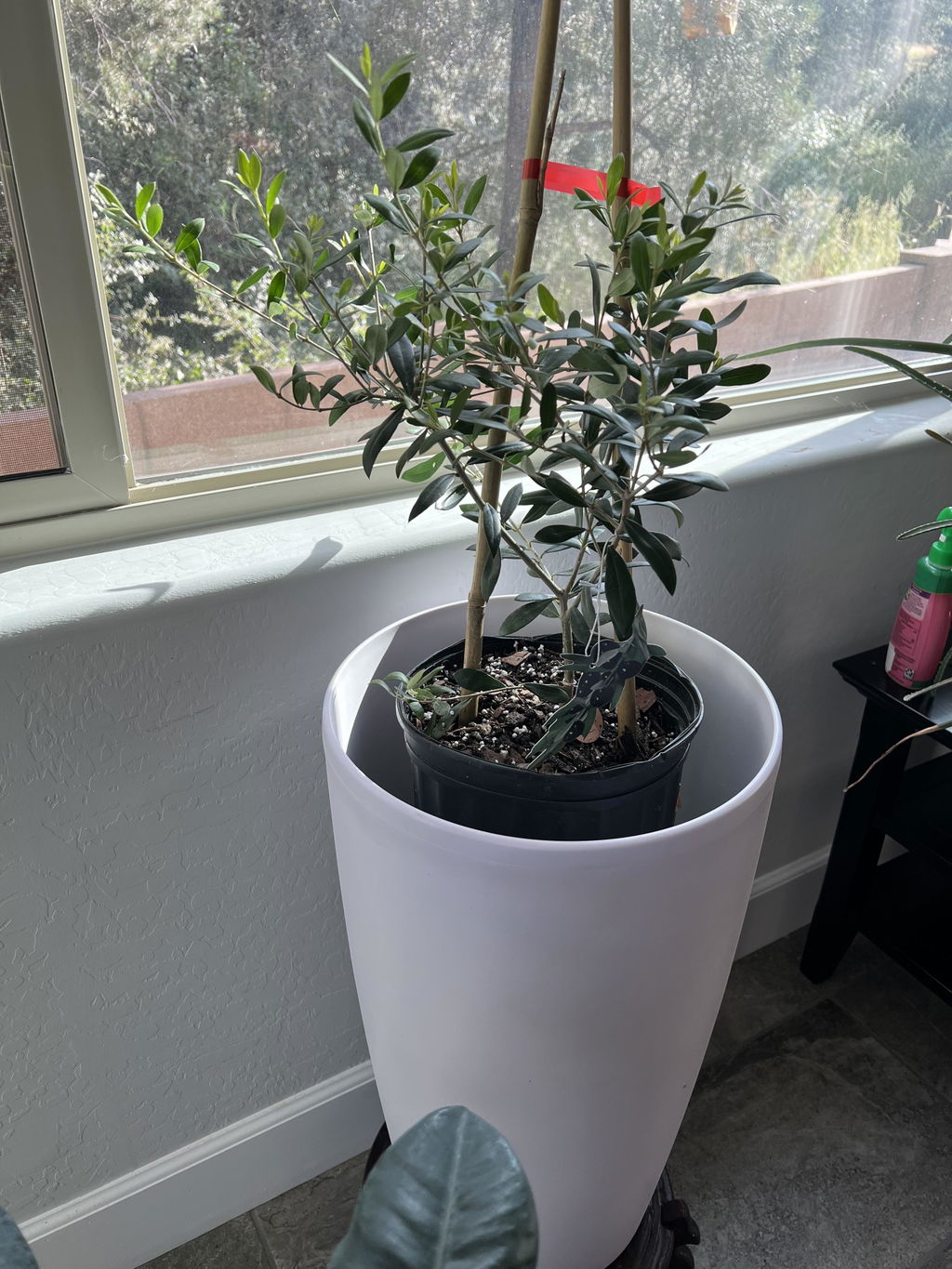
Imagine harvesting fresh peaches, juicy pomegranates, or sweet kumquats from your own backyard in just a few short years. Fast-growing fruit trees make this dream a reality for home gardeners who want quick results without waiting a decade for their first harvest. Whether you're a beginner eager to see progress or an experienced gardener looking to maximize your space, choosing the right fast-growing fruit tree can transform your outdoor oasis into a productive edible landscape that delivers both beauty and bounty season after season.
What Makes a Fruit Tree "Fast-Growing"?
Growth Rate vs Fruiting Time
Fast growth and early fruit production are not always the same. Some fruit trees grow quickly in size but still take years to produce fruit. The best fast-growing fruit trees combine strong early growth with relatively short time to harvest. When comparing varieties, check both annual growth rate and estimated years to first fruit to set realistic expectations.
Climate and USDA Zone Influence
Climate plays a major role in how quickly fruit trees establish and produce. A variety that grows rapidly in one USDA zone may struggle in another. Trees planted within their recommended hardiness range develop stronger roots, experience less stress, and focus more energy on growth and fruiting. Always match fruit trees to your local climate for the best results.
Soil, Water, and Sunlight Factors
Growing conditions strongly influence performance. Most fruit trees need 6–8 hours of full sun, well-draining soil, and consistent watering during the first few seasons. Healthy soil and proper moisture encourage faster root development and stronger long-term growth. Improving soil before planting can significantly accelerate establishment and productivity.
Top 5 Fast-Growing Fruit Trees for Backyard Gardens
1. Peach Tree – Fast establishment with seasonal harvests
Peach trees are among the fastest fruit producers for home gardens, often delivering fruit within 2–3 years after planting. Suitable for USDA Zones 5–9, they grow quickly once established and thrive in full sun with well-draining soil. Their manageable size and beautiful spring blossoms make them both productive and ornamental. By summer, they reward gardeners with sweet fruit ideal for fresh eating and home recipes.
Shop Peach Trees now and enjoy your first sweet harvest in just a few seasons!

2. Pomegranate Tree – Hardy, drought-tolerant fruit tree
Pomegranate trees are excellent for warm climates and begin producing fruit in 2–3 years. Hardy in USDA Zones 7–11, they tolerate heat and dry conditions while remaining relatively low maintenance. Their compact growth and adaptability make them suitable for backyard gardens and containers. Bright flowers and colorful fruit add seasonal interest while providing flavorful harvests.
Shop Pomegranate tree on sale now and enjoy vibrant, nutrient-rich harvests from your backyard!

3. Guava Tree – Vigorous growth in warm climates
Guava trees are known for rapid growth and early productivity, often fruiting within 2 years under ideal conditions. Best suited for USDA Zones 9–11, they grow well in warm climates and adapt to various soil types. Fragrant flowers and multiple harvest cycles make them a rewarding option for home growers. For detailed growing tips, read our Guava Tree Care Guide
Bring tropical flavor home - shop Guava Trees today

4. Meiwa Kumquat – Compact citrus with edible sweet fruit
Meiwa kumquat is a compact citrus tree that combines ornamental appeal with reliable fruit production. It typically begins producing within 2–3 years and performs especially well in containers and small gardens. Hardy in USDA Zones 9–11, it produces sweet, edible fruit with attractive evergreen foliage year-round. Learn more in our Meiwa Kumquat Tree Care: Tips for Healthy Growth guide.
Add a compact citrus powerhouse to your space - buy Meiwa Kumquat Trees now.

5. Apple Tree – Fast fruiting in small spaces
Dwarf apple trees are an excellent choice for gardeners who want quicker harvests without sacrificing space. These compact trees typically grow 8–10 feet tall and often begin producing fruit within 2–3 years, much earlier than standard apple trees. Hardy in USDA Zones 4–8, they fit well into small backyards and make harvesting simple and convenient. Most varieties benefit from cross-pollination, rewarding gardeners with beautiful spring blooms and abundant fall harvests.
Bring sweet flavor home - shop Apple Trees today

How to Choose the Right Fruit Tree for Your Backyard
Space and Tree Size at Maturity
Always consider how large a tree will become over time. Most fruit trees reach full size within 5–10 years, so proper spacing is essential to avoid overcrowding and poor air circulation. Standard trees may need 15–25 feet of space, while dwarf varieties can grow well in much smaller areas. Also check vertical clearance to avoid conflicts with structures or power lines.
Container vs In-Ground Planting
Planting method affects growth rate and tree size. In-ground trees develop stronger root systems and grow faster, while container-grown trees stay smaller and more manageable. Container options like kumquat or dwarf apple trees are ideal for patios or limited spaces but require more frequent watering and feeding. Choose containers with at least 20 gallons of capacity for best results.
Climate Compatibility (USDA Zones)
Matching your tree to your USDA zone is essential. Cold-hardy trees like apples and peaches perform best in northern climates, while tropical options like guava and pomegranate thrive in warmer regions. Also consider chill hours, which affect flowering and fruit production in many temperate fruit trees. Choosing the right zone ensures stronger growth and better harvests.
Maintenance Level and Care Needs
Different fruit trees require different levels of care. Peach trees need regular pruning and pest management, while pomegranates and kumquats are more low-maintenance. If you're new to fruit trees, start with easier options before moving to more demanding varieties. For seasonal guidance, read our guide on How to Care for Fruit Trees in Fall (Complete Seasonal Guide) to keep your trees healthy year-round.
Final Thoughts
A well-chosen fruit tree can transform your backyard into a productive, rewarding space for years to come. By matching the right tree to your climate, space, and care level, you set yourself up for long-term success and abundant harvests.
Ready to start growing? Shop high-quality fast-growing fruit trees at Gingerglow today and turn your backyard into a fresh fruit paradise!
FAQ
How long does it take for fast-growing fruit trees to produce their first harvest?
Most fast-growing fruit trees produce fruit within 2–4 years after planting, depending on variety and growing conditions. Peach trees and dwarf apples are often the fastest, while pomegranates and kumquats follow a similar timeline. Trees grown in full sun with healthy soil and proper care typically reach production sooner, while poor conditions can delay fruiting. Container-grown trees may take slightly longer due to limited root space.
Can I grow fast-growing fruit trees in containers on my patio or balcony?
Yes, many fast-growing fruit trees grow well in containers. Meiwa kumquat, dwarf apple, and pomegranate trees are especially suitable for pots of at least 20 gallons with good drainage. Container trees require more frequent watering and feeding, and may need protection indoors during cold weather. Regular repotting every few years helps maintain healthy root growth.
Do fast-growing fruit trees require more maintenance than slow-growing varieties?
Not always. Growth rate does not directly determine maintenance level. Some fast-growing trees like pomegranate are low-maintenance, while others like peach trees need regular pruning and pest management. Care requirements depend more on species and climate conditions than speed of growth. Choosing the right variety for your lifestyle is key to long-term success.
How much space do I need for a fast-growing fruit tree?
Space needs vary by tree type. Standard fruit trees may require 15–25 feet of spacing, while dwarf varieties can grow well in 8–12 feet of space. Proper spacing ensures good air circulation, sunlight exposure, and healthy fruit production. Crowding trees too closely can reduce growth and overall yield.