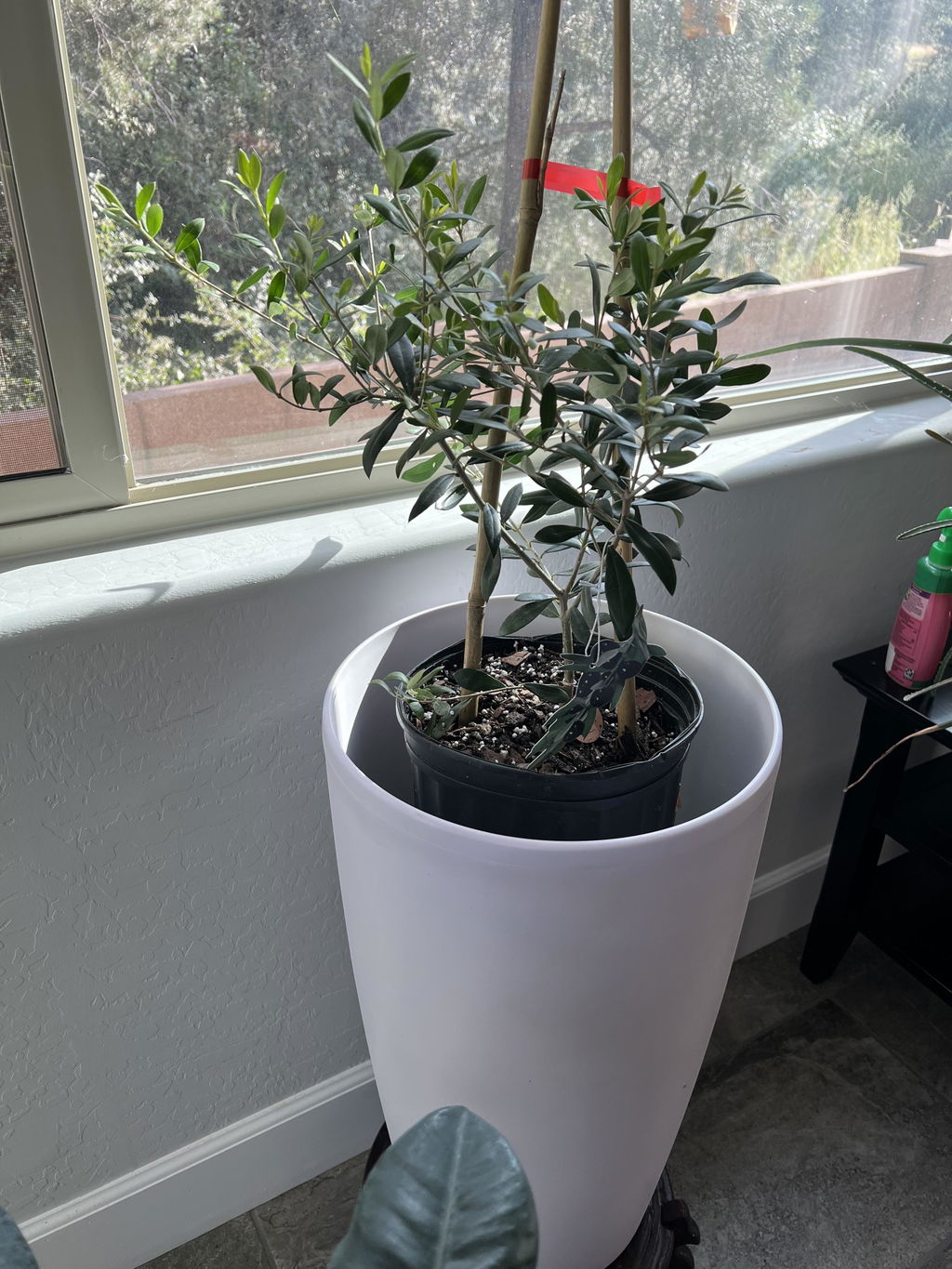
A Complete Guide to Growing Healthy Orange Trees in Your Home Garden
Key Takeaways
- Orange trees require 6 to 8 hours of direct sunlight for optimal fruit production.
- Consistent moisture, well-drained soil, and a slightly acidic pH are crucial.
- Feed and prune thoughtfully to encourage healthy growth.
- Protect your tree from frost and extreme temperature changes.
- Harvesting your own oranges is a rewarding experience; patience truly pays off!
Table of Contents
- Understanding Your Orange Tree
- Essential Growing Requirements
- Care and Maintenance
- Flowering and Fruiting
- Common Problems and Solutions
- Maximizing Your Yield
- Let’s Grow Together
- Final Thoughts
- FAQ
Understanding Your Orange Tree
The Orange Tree at a Glance
Orange trees, scientifically known as Citrus × sinensis, are hybrid beauties combining pomelo and mandarin traits. Their fragrant white blossoms and glossy leaves make them stunning broadleaf evergreens, perfect for ornamenting any garden, patio, or cozy indoor corner.

Why Choose Orange Trees?
Orange trees reward you with more than beauty: they deliver fresh juice, snacks, and a touch of Mediterranean magic. Imagine walking into your backyard to harvest a sun-warmed orange! With just a little care, you’ll be well on your way to homegrown bliss.

Essential Growing Requirements
Sunlight: Let the Sunshine In
For your orange tree to flourish, it needs at least 6 to 8 hours of direct sunlight every day. Pick a spot that gets plenty of rays. Sunshine is the key ingredient for sweet, vibrant fruit.
Temperature and Climate: Finding the Right Balance
Orange trees thrive when daytime temps hover around 65°F (18°C) and nighttime dips between 41°F to 50°F (5°C to 10°C). Be wary of frost. If you’re growing in containers, move trees indoors for winter, especially if your variety has low cold tolerance.
Soil: The Foundation of a Healthy Tree
Your orange tree needs well-drained, consistently moist soil rich in organic matter. The ideal soil pH? Slightly acidic, between 6 and 7. If you spot soggy soil, repot into a better-draining mix to protect those roots. Since citrus roots suffocate easily in heavy dirt, understanding what constitutes properly drained soil is the foundation of a healthy, productive tree.
Watering: The Right Amount Matters
Watering methods impact tree health & fruiting:
• In summer, water once or twice per week to keep soil moist but not soggy.
• In winter, allow the soil surface to dry before watering.
Always check the moisture with your finger before watering. Overwatering leads to root rot; it’s better to be a bit underwatered than too wet! Saving your plants from overwatering is often the single most important skill for a citrus gardener to prevent fatal root rot.

Care and Maintenance: Keeping Your Tree Happy
Feeding: Fuel for Growth
Orange trees are hungry eaters. Feed every second watering during spring and summer with high potassium fertilizer. In winter, reduce fertilizing to every fourth watering. This fuels healthy growth without risking fertilizer burn.
Pruning: Sculpting Your Tree
Minimal pruning is best, but in late winter (February), consider removing crowded growth. Throughout the growing season, trim tall shoots to promote compact, bushy growth. Regular attention makes for a beautiful, productive shape!
Repotting: Time for a Home Upgrade
Once roots fill the pot, it’s repotting time! Choose the next size up with drainage holes and refresh the soil. Leave feeder roots near the surface and use a quality potting mix for healthy, future-proofed growth. To support this transition, crafting a medium that mimics their native environment in the soil mix is the best way to prevent transplant shock

Flowering and Fruiting: The Sweet Rewards
Spring brings heavenly-scented blossoms loved by bees and butterflies, beginning the orange’s journey from flower to fruit. Fruit forms after flowering, ripening from late spring into fall and winter depending on your variety.
Pro tip: In your tree’s first year, pick off flowers and fruit to prioritize root establishment for bountiful harvests in years to come.

Common Problems and Solutions
- Yellowing Leaves: Often a sign of overwatering or lack of nutrients. Regulate water and supplement with fertilizer.
- Falling Leaves: This usually results from cold drafts, abrupt temperature changes, or too much water in winter. Move to a stable spot and adjust watering.
- No Flowering: If your tree isn’t blooming, it may be missing light, food, or regular hydration. Adjust placement and care routines.
- Flowers Falling Before Fruit Sets: Dry soil or low humidity can cause premature drop. Water more consistently and mist indoor trees to increase humidity.
Maximizing Your Yield
- Proper Pollination: Plant pollinator-attracting flowers nearby to encourage bees.
- Healthy Soil: Regularly enrich and aerate your soil to feed your orange tree’s growth cycle.
- Consistent Watering: Stick to a schedule to support flowering and fruit set.

Success with oranges grows each season; patience, love, and routine go a long way!
Let’s Grow Together!
Gardening with orange trees is a journey of connection, flavor, and beauty. Every moment you nurture your tree, you’re adding life and color to your world. We’re here cheering you on as you create a garden oasis you can be proud of!
Imagine branches heavy with fruit, shimmering in the sun, that’s the future you’re growing, one season at a time.
Final Thoughts
With the practical growing tips in this complete guide, you’ll nurture healthy, thriving orange trees that light up your garden and your kitchen! Savor the journey and be ready to harvest your own sunshine? Whether you are looking for a grafted orange sapling to start your orchard or the tools to maintain it, Gingerglow is here to help you grow.. Happy gardening!
FAQ
-
How long does it take for an orange tree to bear fruit?
Typically, 3-4 years if grown from a young tree. Grafted or mature trees may fruit sooner. -
Can orange trees be grown indoors?
Yes, dwarf orange trees thrive in large pots with good light, ideal for bright windowsills or conservatories. -
How often should I fertilize my orange tree?
Every 2 weeks in spring/summer (with waterings) and every 4 weeks during fall and winter. -
Why are my orange tree leaves turning yellow?
It’s often a sign of overwatering or nutrient deficiency. Check soil moisture, adjust your watering schedule, and feed your tree as needed. -
What’s the best orange tree variety for containers?
Look for varieties like ‘Calamondin’, ‘Trovita’, or ‘Washington Navel’, these are well-suited to container growing and have excellent flavor.