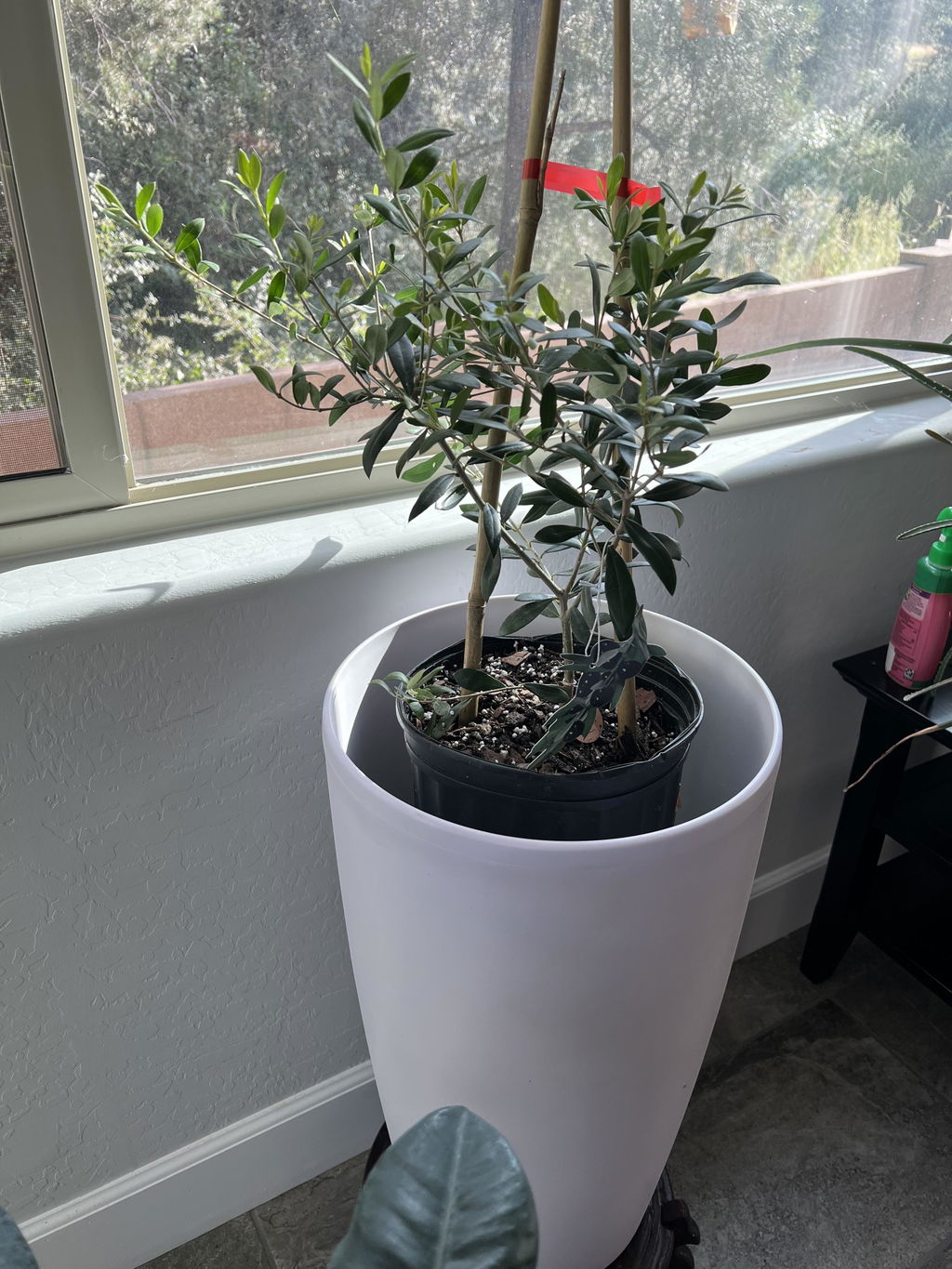
Growing a mint plant in your garden or on your windowsill is one of the easiest ways to enjoy fresh, aromatic herbs all season long. Whether you're craving the classic cool bite of peppermint, the sweet notes of chocolate mint, or the refreshing zest of mojito mint, these hardy perennials thrive with minimal care and deliver maximum flavor. In this guide, you'll discover everything you need to know about selecting, planting, and maintaining a thriving mint plant garden—from choosing the right variety to harvesting abundant leaves for your kitchen creations.
Understanding Different Mint Plant Varieties
The diversity of the mint plant family makes it one of the most versatile herbs in home gardening. Within the Mentha genus, there are many hybrids and cultivars, each offering unique flavors and growth habits.
Peppermint is the most recognized mint plant, known for its strong menthol aroma and cooling taste. Spearmint is a milder mint plant often used in culinary dishes and beverages. Mojito mint adds a citrusy twist, while chocolate mint delivers a dessert-like aroma. Other popular options include orange mint, pineapple mint, apple mint, and strawberry mint.
Each mint plant variety has slightly different preferences:
- Peppermint: strong flavor, best for teas and oils
- Spearmint: gentle taste, ideal for cooking
- Mojito mint: cocktail favorite with citrus notes
- Chocolate mint: dessert-friendly aroma
- Apple mint: soft texture and mild sweetness
Many gardeners grow multiple mint plant varieties together to create a layered herb garden. However, cross-pollination can occasionally occur, subtly altering future mint plant growth.
Ready to elevate your home cooking and daily teas? Browse our collection of vigorous, ready-to-harvest Peppermint and Spearmint plants to start your culinary garden today.

Essential Growing Conditions for Healthy Mint Plants
A healthy mint plant depends on balanced light, soil, and moisture conditions. While the mint plant is naturally hardy, optimizing its environment significantly improves leaf flavor and growth speed.
Most mint plant varieties prefer 4–6 hours of sunlight daily, ideally morning sun with afternoon shade. In hotter climates, protecting the mint plant from harsh afternoon heat prevents leaf scorch and preserves essential oils.
Soil quality is equally important. A mint plant grows best in rich, well-draining soil with a pH between 6.0 and 7.0. Adding compost improves nutrient availability and supports steady mint plant development.
Watering should be consistent but not excessive. A mint plant prefers moist soil, but waterlogged roots can quickly lead to fatal rot; therefore, knowing how to save your plants from overwatering or underwatering is crucial for maintaining that perfect moisture balance. Aim to water your mint plant 2–3 times per week, adjusting based on the climate.
Key care practices:
- Use mulch to retain soil moisture
- Install drip irrigation for stable watering
- Avoid overhead watering in humid weather
Temperature also affects the mint plant lifecycle. In colder regions, the mint plant goes dormant but regrows in spring. In warmer zones, it can remain evergreen year-round.

Planting and Propagation Techniques for Mint Plants
Starting a mint plant is simple because it grows quickly from cuttings, seeds, or root division. Most gardeners prefer containers to control the aggressive spreading nature of the mint plant.
For container planting, choose a pot at least 12–14 inches wide. A healthy mint plant needs space for root expansion and consistent drainage. Always position the mint plant so the root crown sits level with the soil surface.
In garden beds, the mint plant should be contained using root barriers or buried pots. Without control, a mint plant can spread rapidly and dominate nearby plants.
Propagation methods:
- Water cuttings: roots appear in 7–10 days
- Soil cuttings: direct planting into moist soil
- Division: splitting mature mint plant clusters
A mint plant grown from cuttings is often stronger than one grown from seeds. Skip the hassle and unpredictability of starting from seeds. Explore our selection of healthy, container-grown Mint plants that are perfectly rooted, beautifully contained, and ready to thrive on your windowsill.

Ongoing Care and Harvest Management
Proper maintenance ensures your mint plant stays productive throughout the season. A well-cared-for mint plant can produce leaves continuously if harvested correctly.
Fertilize your mint plant every 4–6 weeks using a balanced, diluted fertilizer. Avoid high-nitrogen formulas, as they may cause excessive leaf growth with reduced flavor in the mint plant.
Pruning is essential; applying proper seasonal pruning techniques to regularly trim your mint plant encourages significantly bushier growth and prevents unattractive legginess. Pinch back growing tips every few weeks to keep the mint plant compact and productive.
Harvesting tips:
- Harvest in the morning for the best flavor
- Never remove more than 1/3 of the mint plant at once
- Cut above leaf nodes for faster regrowth
A mature mint plant can be harvested multiple times per month. Drying or freezing leaves also extends the usability of your mint plant harvest.
Common pests like aphids or spider mites may occasionally affect a mint plant, but they are easily controlled with water sprays or organic insecticidal soap.
If you want to add a unique, refreshing twist to your summer cocktails and desserts, bring home our specialty Mojito and Chocolate Mint live plants for an unforgettable flavor experience.

Key Takeaways
- A mint plant is fast-growing, low-maintenance, and beginner-friendly
- Different mint plant varieties offer unique flavors and uses
- Proper sunlight, soil, and watering are essential for a healthy mint plant
- Container growing helps control the aggressive spread of a mint plant
- Regular pruning boosts leaf production and improves mint plant quality
Start your aromatic herb journey today. Discover Gingerglow's carefully curated selection of premium, beginner-friendly live herb plants and transform your kitchen or patio into a fragrant, flavorful oasis. Let's grow a delicious garden together!
Frequently Asked Questions
How fast does a mint plant grow?
A mint plant grows remarkably fast, typically reaching harvestable size within 6 to 8 weeks after planting. Under ideal conditions with consistent moisture, full sun to partial shade, and regular feeding, mint can grow 1 to 2 inches per week during peak growing season. Stem cuttings root in 7 to 10 days, making propagation quick and reliable. This vigorous growth habit is why mint needs containment through pots or root barriers to prevent it from spreading aggressively throughout your garden.
Can I grow mint plants indoors year-round?
Yes, you can successfully grow mint plants indoors year-round with proper conditions. Position pots near south-facing windows; understanding the nuances of bright light vs. low light for indoor environments will help you find the exact spot where your indoor mint receives the 4 to 6 hours of direct sunlight it craves. Maintain indoor temperatures between 65°F and 75°F and consistent soil moisture. Indoor mint typically grows more slowly than outdoor plants, but still produces harvestable leaves throughout the winter months. Rotate pots weekly for even growth and pinch regularly to maintain compact, bushy shapes.
Why is my mint plant turning brown?
Browning leaves on your mint plant typically indicate one of three issues: underwatering, overwatering, or fungal disease. Check soil moisture—if the top 2 inches feel bone-dry, increase watering frequency. Conversely, waterlogged soil causes root rot and brown, wilting foliage; improve drainage and reduce watering. Fungal rust appears as orange-brown spots on leaf undersides, requiring the removal of affected foliage and improved air circulation. Brown leaf tips in indoor plants often signal low humidity or fertilizer salt buildup; mist regularly and flush pots with fresh water monthly.
How do I prevent my mint plant from taking over the garden?
Prevent your mint plant from spreading by growing it in containers at least 12 inches deep with drainage holes, or install root barriers 12 to 18 inches deep around in-ground plantings. Alternatively, sink bottomless 5-gallon buckets into garden beds with rims 2 inches above soil level to create containment pockets. Remove runners that escape barriers immediately and harvest regularly to reduce plant vigor. For shared garden spaces, dedicate a separate bed section exclusively to mint where spreading won't impact other plants, or grow exclusively in portable containers you can relocate as needed.
What's the best time to harvest mint plants for maximum flavor?
Harvest your mint plant in the morning after dew evaporates but before the afternoon heat for maximum essential oil content and flavor intensity. The best time of year for harvesting is just before flowering begins in early to mid-summer, when oil concentration peaks. Cut stems 6 to 8 inches long just above leaf nodes, which encourages bushier regrowth. You can harvest mint throughout the growing season by removing no more than one-third of total growth at once, allowing plants to recover fully between cuttings. Regular harvesting every 2 to 3 weeks actually promotes more vigorous, flavorful growth.
Do mint plants come back every year?
Yes, mint plants are hardy perennials that return year after year in USDA zones 3-11. Above-ground foliage dies back after the first hard frost, but hardy underground rhizomes survive winter temperatures and produce new shoots each spring. In zones 3-6, apply 3 to 4 inches of straw mulch after frost to insulate roots through harsh winters. Container-grown mint can overwinter indoors near bright windows or in unheated garages where temperatures stay above freezing. Established mint often spreads more vigorously in subsequent years, producing larger harvests as root systems expand.