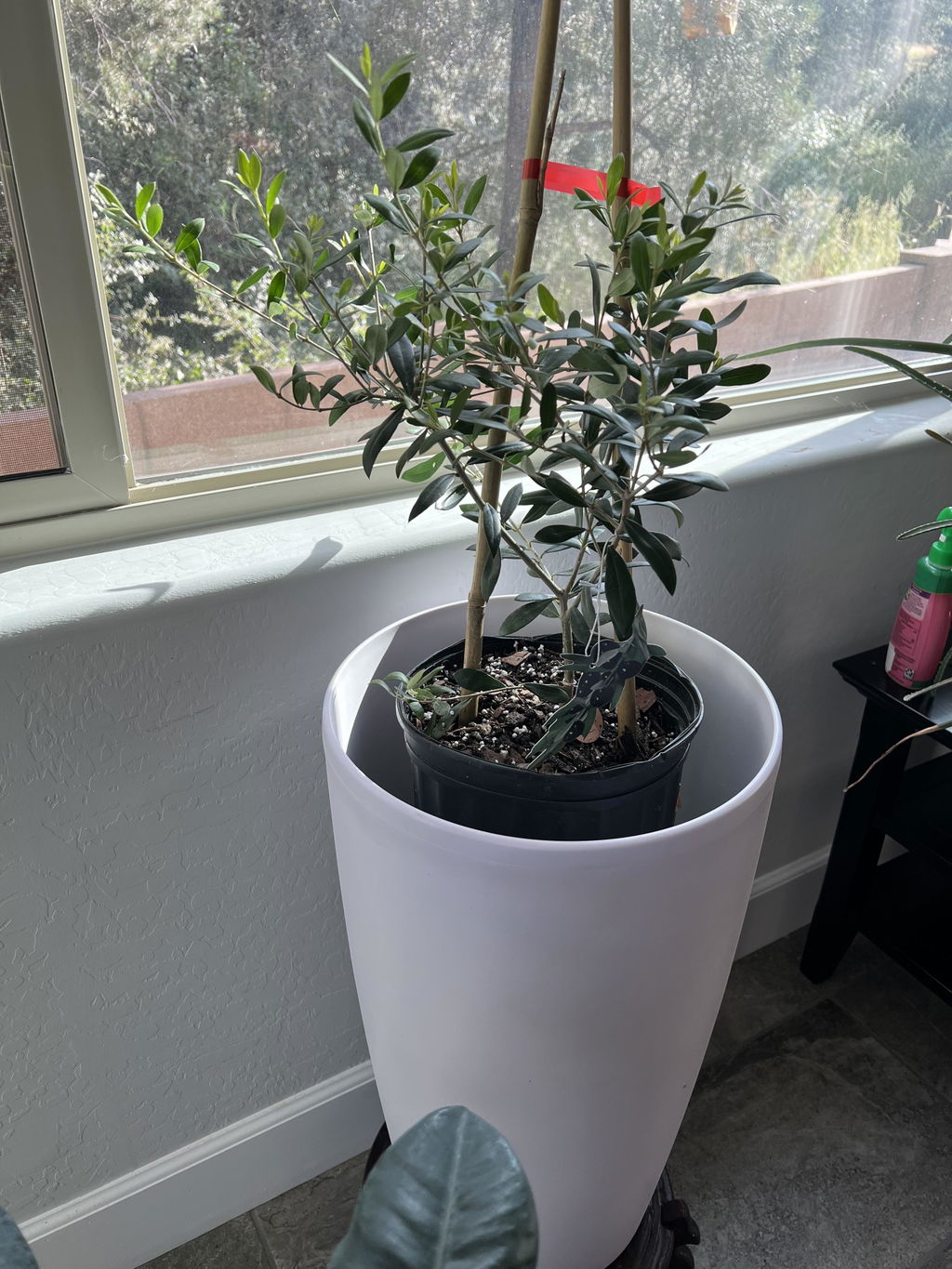
Growing a guava tree at home is one of the most rewarding ways to enjoy tropical flavor right from your backyard. Whether you're drawn to the sweet, aromatic fruit or the tree's lush, evergreen foliage, guava trees offer beauty and bounty with surprisingly simple care. Let's explore how you can transform your outdoor space into a fruitful paradise with the vibrant energy of a guava tree.
About Guava Tree
Origins and Characteristics
The guava tree (Psidium guajava) is a tropical to subtropical evergreen that brings both ornamental beauty and edible rewards to home gardens. Native to Central America, this fast-growing tree has become a beloved staple in warm climates worldwide, from Florida to California and beyond. Guava trees typically reach 10 to 15 feet in height, though they can grow taller under ideal conditions, and their spreading canopy creates a stunning focal point in any landscape.
Guava varieties
Several popular guava varieties offer unique flavors, fruit colors, and growth habits.
- Pink Guava is one of the most widely grown types, producing sweet, aromatic fruit with vibrant pink flesh rich in vitamin C.
- White Guava features creamy-white flesh and a mild, refreshing flavor that makes it a favorite for fresh eating and juices.
- Pineapple Guava (Acca sellowiana), although not a true guava, is valued for its fragrant flowers and pineapple-mint flavored fruit, making it both an ornamental and edible landscape plant.
- Thai Guava produces large, crisp fruits with a slightly sweet flavor and is known for its vigorous growth and high productivity.
- Strawberry Guava bears smaller fruits with a distinctive sweet-tart flavor reminiscent of strawberries.
Understanding the characteristics of each variety can help you select the best guava tree for your climate, garden space, and taste preferences. Explore our collection of live guava trees to find the variety that best suits your garden and fruit-growing goals.
How to Grow a Guava Tree
Selecting the Perfect Location

This trees thrive in full sun, requiring at least 6 to 8 hours of direct sunlight daily for optimal fruit production. Choose a spot that's protected from strong winds, as branches laden with fruit can be vulnerable to damage. The location should also have good drainage - guava trees tolerate occasional wet soil but struggle in consistently waterlogged conditions.
If you're unsure whether your garden soil drains properly, check out our guide on What Is Well-Drained Soil? Testing and Improving Soil Drainage to create the ideal growing environment for healthy roots.
When it comes to soil, guava trees are remarkably forgiving. They perform best in slightly acidic to neutral soil with a pH between 5.5 and 7.0, but they'll adapt to most well-draining soils. Before planting, enrich the native soil with organic compost to improve fertility and structure. Dig a hole twice as wide and just as deep as the root ball, creating a welcoming environment for the roots to spread. This preparation sets the foundation for vigorous growth and future fruit production.
Container Growing Options
For those in cooler climates or with limited garden space, container growing offers an excellent alternative. Select a pot at least 20 gallons in size with multiple drainage holes. Use a high-quality potting mix designed for fruit trees, and ensure the container receives maximum sun exposure. Container-grown guava trees can be moved indoors during freezing weather, extending the growing season in zones where outdoor cultivation isn't possible year-round.
Looking for a compact variety suitable for containers? Shop our live guava trees and discover options that thrive in pots, patios, and small-space gardens.
Planting Timing and Techniques
Planting timing matters significantly for establishment success. The ideal window is early spring after the last frost, giving the tree the entire growing season to develop a strong root system before winter. Space multiple trees 10 to 15 feet apart to allow for mature canopy spread. After planting, water thoroughly to settle the soil and eliminate air pockets around the roots. Apply a 3-inch layer of organic mulch around the base, keeping it several inches away from the trunk to prevent moisture-related diseases.
For year-round growing success, read our 4-Season Plant Care Checklist: Keep Your Garden Thriving All Year and learn how to care for your garden through every season.
Guava Tree Care Guide
Watering Requirements

Watering is perhaps the most critical aspect of this tree care. Young guava trees need regular moisture to establish deep roots, requiring water 2 to 3 times weekly during dry periods. Once established, mature trees become more drought-tolerant but still perform best with consistent moisture, especially during flowering and fruit development. Apply water slowly and deeply, saturating the root zone without creating standing water. Drip irrigation or soaker hoses work exceptionally well, delivering moisture directly to the roots while keeping foliage dry.
Not sure whether your plant is getting too much or too little water? Read our guide How to Save Your Plants from Overwatering, Underwatering, and Low Light to create healthier growing conditions.
Fertilization Schedule
Fertilization supports vigorous growth and heavy fruiting. Feed your guava with a balanced fertilizer formulated for fruit trees, applying every 6 to 8 weeks during the growing season. A 6-6-6 or 8-3-9 NPK ratio provides the nutrients guava trees need most—nitrogen for foliage growth, phosphorus for root development and flowering, and potassium for fruit quality. Organic options like aged compost, fish emulsion, or well-rotted manure also work beautifully, releasing nutrients slowly throughout the season.
Pruning and Shaping
Pruning shapes the tree, improves air circulation, and encourages fruit production on new growth. The best time to prune is immediately after harvest or in late winter before new growth begins. Remove dead, damaged, or crossing branches first, then thin the canopy to allow sunlight penetration. Guava trees fruit on new wood, so light annual pruning stimulates the production of fruit-bearing branches. Avoid heavy pruning, which can stress the tree and reduce the following season's harvest.
Pest and Disease Management
Keeping your guava tree healthy starts with regular monitoring and preventive care. Common pests include fruit flies, aphids, and scale insects, which can often be managed with neem oil or horticultural oil treatments. In humid conditions, diseases such as anthracnose and rust may appear.
Improve air circulation, avoid overhead watering, and remove fallen fruit and debris to reduce disease risk. Inspect trees regularly so problems can be treated early before they spread.
When Does a Guava Tree Produce Fruit?
Fruiting Timeline and Expectations
Understanding the fruiting timeline helps you anticipate harvests and plan care schedules accordingly. Most guava trees begin producing fruit 2 to 4 years after planting, with container-grown trees sometimes taking slightly longer than those planted in-ground. According to research from the University of Florida IFAS Extension, established guava trees typically yield 50 to 80 pounds of fruit annually, making them among the most productive tropical fruit trees for home gardens.
Harvest timing depends on climate and variety. In tropical regions, guava trees may flower and fruit multiple times annually. In subtropical areas, trees usually bloom in spring and produce ripe fruit about 90–150 days later.
Factors Affecting Fruit Production
Several factors influence when your tree begins fruiting. Trees grown from seed take longer to produce, often 4 to 8 years - compared to grafted varieties that bear fruit within 2 to 3 years. Proper fertilization accelerates maturity, as does consistent watering during the establishment phase. Stress from drought, nutrient deficiency, or cold damage can delay fruiting significantly, emphasizing the importance of attentive care during the tree's early years.
To help your guava tree overcome environmental stress and maintain vigorous growth, explore our guide Plant Stress and How We Can Help Them Thrive.
Before fruiting begins, you'll notice an increase in flowering frequency and intensity. The small white flowers, each with five petals and numerous stamens, appear in clusters along branches. Successful pollination aided by bees and other pollinators, results in small green fruit that gradually swells over the following months. Monitoring this progression builds anticipation for that first homegrown guava harvest. While waiting for your tree to reach fruiting maturity, focus on establishing a strongframework through proper pruning, consistent feeding, and optimal growing conditions.
How to Harvest Guava Fruit

Identifying Ripeness
Harvesting guava at the right time gives you the best flavor and texture. Most guavas taste sweetest when fully ripened on the tree rather than picked early.
Ripe guavas display several telltale signs that signal readiness for harvest. The skin color shifts from dark green to light green, yellow-green, or yellow depending on the variety, though some types remain green even when fully mature. Gently squeeze the fruit - ripe guavas yield slightly to pressure, similar to a ripe avocado, but shouldn't feel mushy. The most reliable indicator is aroma: fully ripe guavas emit a strong, sweet fragrance that's noticeable from several feet away.
For more tips on recognizing harvest-ready fruit, check out our guide How to Know Exactly When Your Fruit Is Ripe and Ready to Pick.
Proper Harvesting Techniques
Use clean pruning shears or scissors to cut fruit from the branch, leaving a short stem attached. Avoid pulling fruit by hand, which may damage branches and affect future production.
Guava fruit often ripens gradually rather than all at once, so check trees every few days during harvest season to collect fruit at peak quality.
Storage and Preservation
Fresh guavas continue softening after harvest and usually reach peak eating quality within 2–5 days at room temperature. Refrigeration can extend freshness for up to 1–2 weeks.
For long-term storage, guavas can be peeled, sliced, and frozen for several months or turned into jams, preserves, and other homemade recipes.
FAQ
What is the best time of year to plant a guava tree?
The optimal time to plant a guava tree is in early spring after the last frost has passed. This timing gives the tree an entire growing season to establish a strong root system before facing winter stress. In frost-free tropical and subtropical regions, you can plant year-round, though avoiding the hottest summer months reduces transplant stress.
How much water does a guava tree need?
Young guava trees need deep watering 2–3 times per week during their first year to establish strong roots. Mature trees are more drought tolerant but perform best with one deep watering per week during dry weather. Increase watering during flowering and fruit development, and always ensure the soil drains well to prevent root problems.
How do I protect my guava tree from frost?
Guava trees are sensitive to freezing temperatures. During cold weather, cover young trees with frost cloth or burlap and water the soil beforehand to help retain heat. Container-grown trees should be moved to a sheltered location, such as a garage or covered patio, until temperatures rise.
For more cold-weather gardening tips, explore our guide Protect Your Garden from Frost: Essential Tips Every Gardener Must Know.
What pests commonly affect guava trees?
Common guava pests include fruit flies, aphids, scale insects, and whiteflies. Fruit flies can damage developing fruit, while aphids and scale insects feed on new growth. Regular inspections and early treatment with horticultural oil or insecticidal soap can help keep infestations under control.
Whether you're looking for sweet Pink Guava, refreshing White Guava, or unique Pineapple Guava, our collection of live guava trees makes it easy to start growing tropical fruit at home. Browse available varieties and find the perfect tree for your garden today.