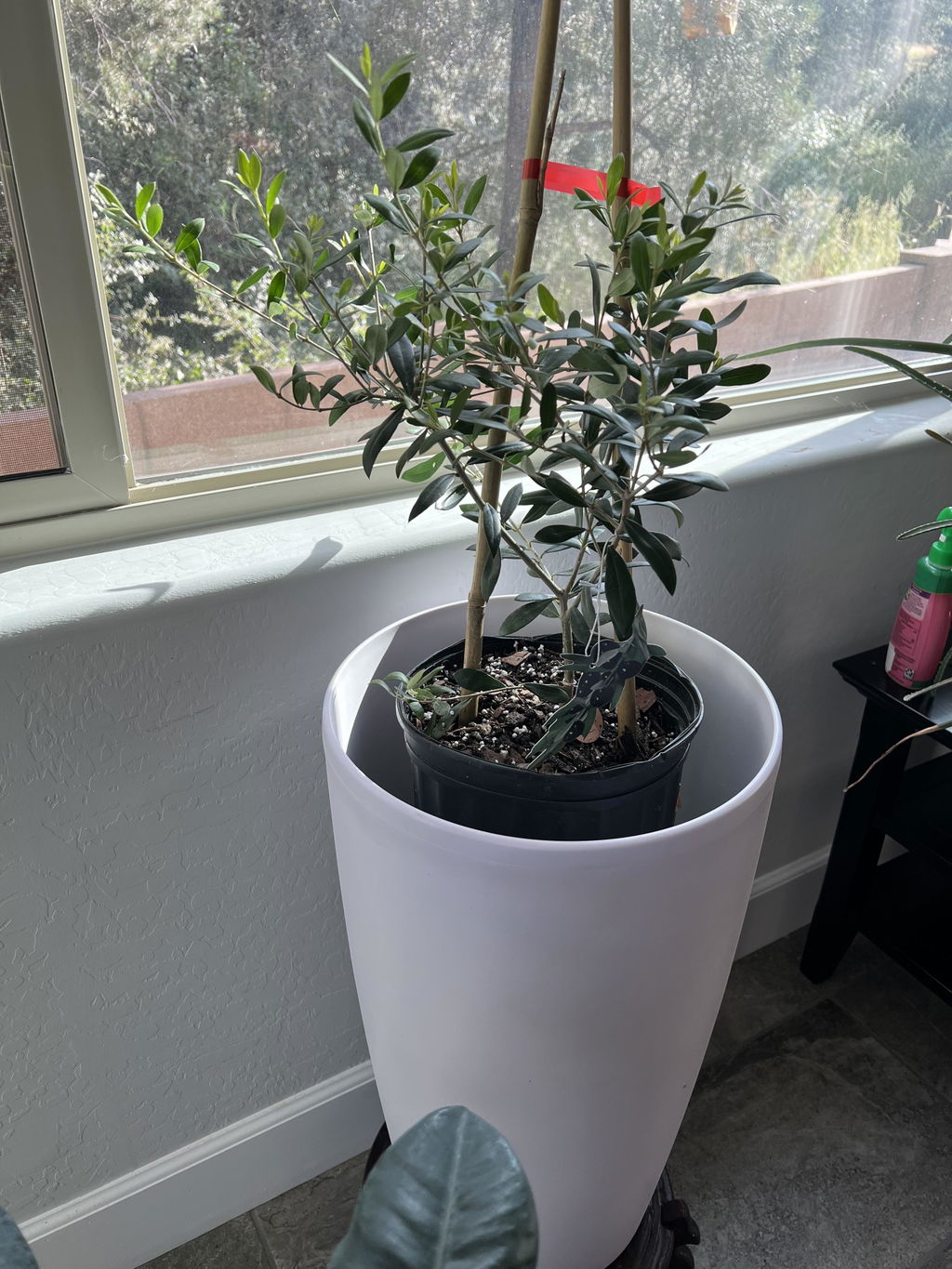
The Meiwa kumquat tree is a delightful addition to any garden, offering sweet, edible fruit and ornamental beauty throughout the year. Unlike other citrus varieties, this compact tree produces round, golden kumquats with a uniquely sweet rind and mild flesh, making them perfect for eating whole. Whether you're a seasoned gardener or just beginning your botanical journey, understanding the specific care requirements of the Meiwa kumquat tree will help you cultivate a thriving specimen that rewards you with abundant harvests season after season.
Meiwa Kumquat Tree Characteristics
Ideal Growing Conditions for Meiwa Kumquat Tree
Sunlight Requirements
Meiwa kumquat trees grow best in full sun, requiring at least 6–8 hours of direct sunlight daily to support healthy growth, flowering, and fruit production. In hotter climates, light afternoon shade can help reduce heat stress and prevent leaf scorch. For the best results, choose a location with strong morning sunlight and good air circulation.
Container-grown trees offer more flexibility and can be moved depending on seasonal conditions. South-facing locations are ideal in cooler regions, while east or west exposure works well in warmer areas. Too little sunlight may result in weak growth, fewer flowers, and lower fruit production.

Temperature and USDA Hardiness Zones
Meiwa kumquat trees perform well in USDA Zones 8–11 and are considered more cold-tolerant than many citrus varieties. Mature trees can handle brief temperature drops, but prolonged freezing may damage leaves and branches. They grow most actively in temperatures between 70–85°F.
In cooler climates, planting near warm walls or growing in containers allows easier winter protection. Young trees are more sensitive to cold and benefit from frost covers during unexpected temperature drops.
Soil Type and Drainage Needs
Meiwa kumquat trees prefer well-draining, slightly acidic soil (pH 5.5–6.5). Sandy loam or soil enriched with organic matter provides the ideal balance of moisture retention and drainage. Avoid heavy clay soils or areas where water collects after rain.
For containers, use a citrus potting mix and select pots with multiple drainage holes. Good drainage is essential because excess moisture can quickly lead to root problems and reduced tree performance. If you're unsure whether your soil drains well enough, read our guide What Is The Drained Soil? Testing and Improving Soil Drainage to learn how to improve growing conditions before planting.
Meiwa Kumquat Tree Care: Tips for Healthy Growth

Watering Guide
Proper watering is one of the most important parts of Meiwa kumquat tree care. Keep the soil consistently moist but never soggy, watering when the top 2–3 inches become dry. Established in-ground trees usually need water every 7–10 days, while container trees may require watering more often.
Water deeply around the drip line rather than directly at the trunk to encourage strong root development. Adding 2–3 inches of mulch helps retain moisture and regulate soil temperature, but keep mulch away from the trunk. Reduce watering during winter when meiwa kumquat tree growth slows. Yellow leaves may indicate overwatering, while wilting and leaf drop often signal underwatering.
Fertilizing
Regular feeding supports healthy foliage and reliable fruit production. Apply a balanced citrus fertilizer (such as 6-4-6) three to four times per year from early spring through late summer. Avoid fertilizing in fall and winter to prevent tender new growth before cold weather.
Young meiwa kumquat trees need lighter applications, while mature trees benefit from larger but evenly distributed feedings around the drip line. Slow-release fertilizers work well for steady nutrition. Watch for signs of nutrient deficiency such as pale leaves or reduced growth, and avoid overfeeding, which can reduce fruit quality.
Pruning
Meiwa kumquat trees naturally maintain a compact shape and require only light annual pruning. In late winter or early spring, remove dead, damaged, or crowded branches to improve airflow and sunlight penetration.
Container-grown trees may need slightly more pruning to maintain size. Always use clean, sharp tools and avoid removing more than 25% of the canopy at once. Light pruning encourages healthier growth and better fruit production.
For additional seasonal timing and techniques, explore our guide Seasonal Pruning Tips.
Harvesting
Meiwa kumquat taste best when allowed to fully ripen on the tree. Harvest once fruits develop a deep golden-orange color and feel slightly soft when gently pressed. Unlike some citrus varieties, kumquats do not significantly improve after picking.
Pick fruit by gently twisting or clipping stems to avoid damage. Fresh kumquats store for up to two weeks at room temperature or longer when refrigerated. Mature trees can produce abundant harvests and provide fresh fruit over an extended picking season.
Related topic: How to Know Exactly When Your Fruit is Ripe and Ready to Pick

Final Thoughts
Growing a Meiwa kumquat tree is an easy way to add both beauty and fresh fruit to your garden. With proper sunlight, well-draining soil, consistent watering, and seasonal feeding, this compact citrus tree can reward you with fragrant blooms, evergreen foliage, and sweet harvests for years to come.
Whether planted in the ground or grown in containers, Meiwa kumquat tree fits beautifully into backyards, patios, and small garden spaces. Start growing your own sweet citrus at home, shop our Meiwa kumquat tree today and bring home a productive, easy-care fruit tree.
FAQ
How long does it take for a Meiwa kumquat tree to produce fruit?
Most Meiwa kumquat trees begin producing fruit within 2–3 years if grown from grafted nursery stock. Container-grown trees may take slightly longer depending on sunlight, watering, and overall growing conditions. Healthy, established trees become more productive each year.
Can Meiwa kumquat trees grow in containers?
Yes, Meiwa kumquat trees are one of the best citrus varieties for container growing due to their naturally compact size. Choose a container with good drainage and use a well-draining citrus potting mix. Container trees can also be moved indoors or protected during cold weather.
Why are the leaves on my Meiwa kumquat tree turning yellow?
Yellow leaves are commonly caused by overwatering, poor drainage, nutrient deficiencies, or inconsistent watering schedules. Check soil moisture first and make sure excess water can drain properly. Applying a balanced citrus fertilizer may also help restore healthy growth.
When is the best time to harvest Meiwa kumquats?
Meiwa kumquats are usually ready to harvest from late fall through early spring, depending on your climate. Pick fruit only after it develops a rich golden-orange color and slight softness. Leaving fruit on the tree longer often improves sweetness and flavor.