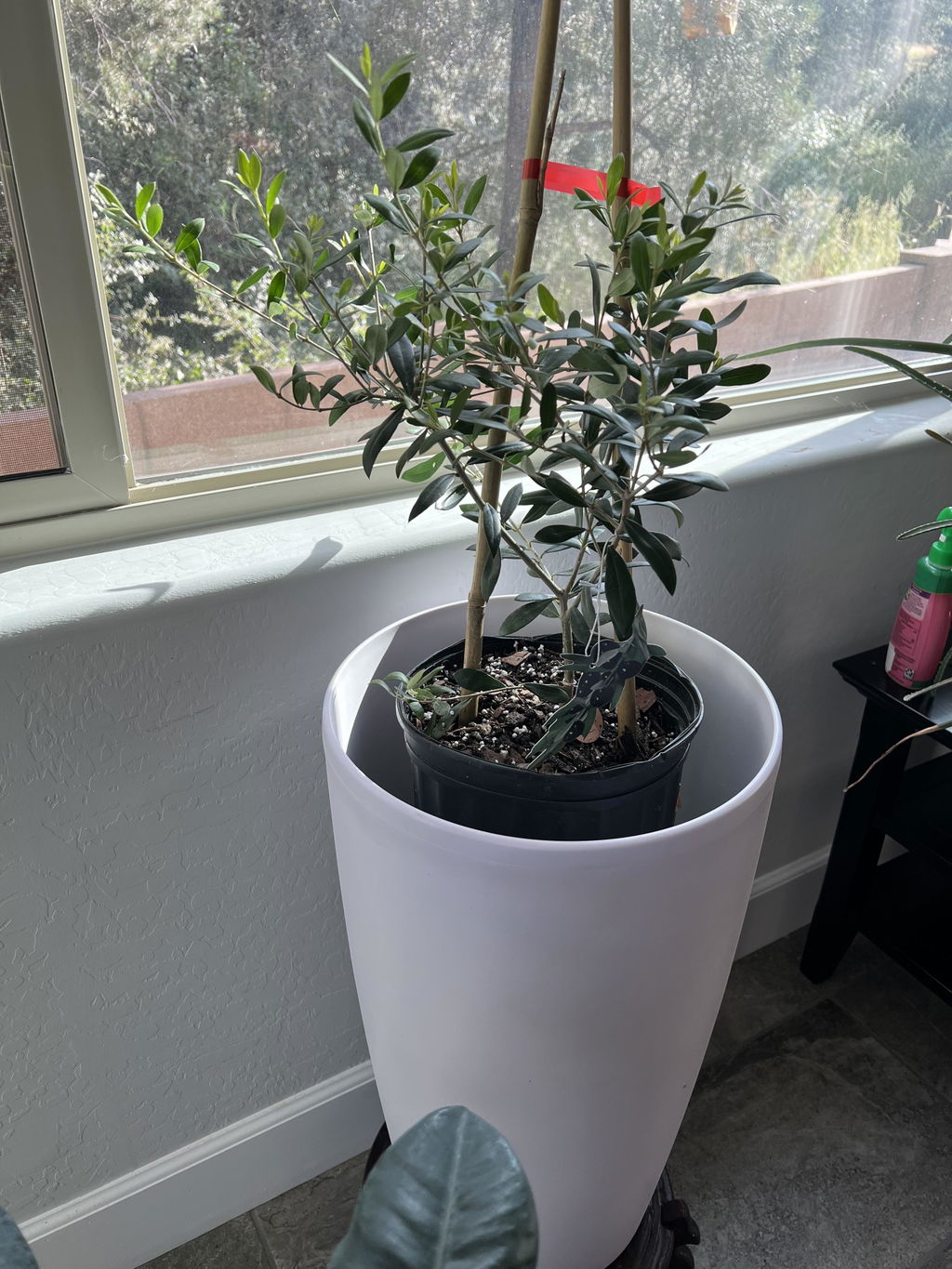
Have you ever watched your favorite shrub shed its leaves in autumn or noticed your perennials seemingly vanish underground for months, only to wonder if they've died? Understanding plant dormancy is crucial for every gardener who wants to nurture a thriving landscape year-round. This natural survival mechanism isn't a sign of decline—it's an ingenious adaptation that allows plants to conserve energy and withstand harsh environmental conditions. Whether you're tending to native trees, cultivating perennials, or maintaining a diverse garden ecosystem, recognizing dormancy patterns will transform how you care for your plants through every season and help you avoid costly mistakes like overwatering or premature pruning.
Understanding Plant Dormancy: Nature's Built-In Survival Mode
Plant dormancy is a temporary period of reduced growth and metabolic activity that helps plants survive unfavorable conditions. During this phase, plants slow down essential processes, conserve stored energy, and wait until environmental conditions improve.
For many species, plant dormancy occurs during winter when temperatures drop and daylight hours decrease. However, some plants also enter dormancy during periods of extreme summer heat or prolonged drought.
According to the USDA Plant Hardiness Zone Map and university horticultural research, dormancy plays a critical role in helping plants survive seasonal stress.
Instead of producing new leaves, flowers, or stems, dormant plants focus on preserving vital tissues and protecting root systems. Deciduous trees shed leaves to reduce water loss, while herbaceous perennials retreat underground and store carbohydrates in crowns, bulbs, tubers, or roots.
Common examples include:
- Maple and oak trees dropping leaves in autumn
- Hostas are disappearing below ground during winter
- Peonies are dying back before reemerging in spring
- Daylilies entering seasonal dormancy
- Many native grasses become dormant after frost
Even evergreen plants experience a mild form of plant dormancy, reducing growth significantly until favorable conditions return.

Types of Plant Dormancy Every Gardener Should Recognize
Endodormancy (True Dormancy)
Endodormancy occurs when internal biological processes prevent growth, even if weather conditions become favorable.
Fruit trees such as apples, cherries, peaches, and pears often require hundreds of accumulated chilling hours.
Without sufficient winter chill, these plants may experience:
- Delayed leaf emergence
- Reduced flowering
- Poor fruit production
- Irregular growth
This explains why certain fruit trees struggle in climates that are warmer than their native growing regions.
Ecodormancy (Environmental Dormancy)
Ecodormancy occurs when plants are ready to grow, but environmental conditions prevent it.
Common triggers include:
- Freezing temperatures
- Extreme heat
- Drought
- Limited moisture
Many perennials, bulbs, and native plants exhibit ecodormancy as part of their annual growth cycle.
For example, several Mediterranean species enter summer dormancy during hot, dry months and resume active growth once cooler temperatures and rainfall return.
Knowing which type of plant dormancy affects your plants helps determine whether you should simply wait or adjust environmental conditions.

How to Identify Dormancy Versus Plant Death
One of the most valuable gardening skills is learning how to distinguish plant dormancy from actual plant death.
A dormant plant remains alive beneath the surface, while a dead plant has permanently stopped all biological activity.
Perform the Scratch Test
Use a fingernail or clean knife to lightly scrape a small section of bark.
Results:
- Green tissue = alive and dormant
- Cream-colored tissue = alive
- Brown tissue = potentially dead
- Black tissue = dead
Test several branches because some plants experience partial dieback.
Check Branch Flexibility
Dormant branches usually:
- Bend slightly
- Feel firm
- Retain moisture internally
Dead branches:
- Snap easily
- Feel brittle
- Break with little resistance
Inspect Buds Carefully
Healthy dormant buds appear:
- Firm
- Plump
- Well attached
Dead buds often look:
- Shriveled
- Dry
- Detached
Examine Roots and Crowns
For perennials, inspect the crown and root system.
Healthy signs include:
- White roots
- Firm crown tissue
- Cream-colored interiors
Unhealthy signs include:
- Black roots
- Mushy tissue
- Sour smell
- Crown rot
If your plants showed stress symptoms before winter, properly diagnosing yellow leaves and drooping stems early on can dramatically improve their survival rates through the dormant season.

Best Practices for Caring for Dormant Plants
Providing the right care during plant dormancy ensures stronger growth when the growing season returns.
Water Carefully
Dormant plants need less water but still require occasional moisture.
General guidelines:
- Established trees: every 3–4 weeks during dry periods
- Newly planted shrubs: every 2–3 weeks
- Container plants: monitor more frequently
It is crucial to understand how to save your plants from overwatering or underwatering during this resting phase, as excessive moisture combined with cold temperatures will quickly lead to fatal root rot.
Avoid Fertilizing
Plants in plant dormancy cannot effectively utilize fertilizers.
Applying nutrients too early can:
- Stimulate weak growth
- Increase frost damage
- Waste fertilizer
Wait until signs of active growth appear in spring.
Prune at the Right Time
Applying proper seasonal pruning techniques in late winter is highly effective because
- Plant structure is easier to see
- Disease pressure is lower
- Spring growth quickly seals wounds
However, flowering shrubs that bloom on old wood should generally be pruned after flowering.
Apply Protective Mulch
A 2–4 inch layer of mulch helps:
- Stabilize soil temperature
- Retain moisture
- Protect roots
- Reduce freeze-thaw damage
Suitable materials include:
- Pine bark
- Shredded leaves
- Compost
- Pine needles
Monitor Winter Damage
Even during plant dormancy, inspect your garden for:
- Broken branches
- Rodent damage
- Frost cracks
- Insect egg masses
Routine monitoring prevents larger issues later.

Breaking Dormancy: When and How Plants Wake Up
Eventually, every period of plant dormancy comes to an end.
Several environmental signals work together to tell plants that growing conditions have improved.
Chilling Requirements
Many trees and shrubs need a specific number of cold hours before growth can resume.
Once chilling requirements are met:
- Dormancy hormones decrease
- Growth hormones increase
- Bud development accelerates
Increasing Day Length
Plants also respond to changing daylight.
As spring approaches, longer days trigger:
- Leaf emergence
- Stem elongation
- Flower development
Photoperiod sensitivity helps prevent premature growth during temporary winter warm spells.
Soil Temperature
Root activity often resumes before visible top growth appears.
Many plants begin active root growth when soil temperatures reach approximately:
- 40–45°F for root activation
- 50–55°F for vigorous growth
This explains why plants sometimes appear inactive despite warm spring weather.
Early Signs Dormancy Is Ending
Watch for:
- Swollen buds
- Emerging shoots
- New leaf tissue
- Increased water uptake
- Fresh stem growth
Once plant dormancy breaks, gradually resume:
- Regular watering
- Fertilization schedules
- Active pest monitoring
Young growth is particularly vulnerable to late frosts and pest damage.
Conclusion
- Plant dormancy is a natural survival mechanism, not a sign of plant decline.
- Dormancy helps plants conserve energy during winter, drought, or extreme heat.
- Endodormancy and ecodormancy are the two primary forms of dormancy.
- The scratch test helps distinguish dormant plants from dead plants.
- Dormant plants still require occasional watering but should not be fertilized.
- Proper mulching and seasonal pruning support healthier spring growth.
- Chilling hours, daylight length, and soil temperature all influence dormancy release.
- Understanding plant dormancy leads to healthier gardens and fewer plant losses.
A deeper understanding of plant dormancy allows gardeners to work with nature rather than against it. Instead of worrying when plants disappear, lose leaves, or stop growing, you can recognize these changes as part of a healthy seasonal cycle. By adjusting your care routines during dormancy and supporting plants as they transition back to active growth, you'll build a more resilient landscape that thrives year after year.
Whether you're caring for trees, shrubs, perennials, or native plants, mastering the principles of plant dormancy is one of the most valuable skills any gardener can develop.
How long does plant dormancy typically last?
Plant dormancy duration varies significantly by species, climate, and dormancy type. In temperate regions, most deciduous trees and shrubs remain dormant for 3-5 months, typically from November through March. Herbaceous perennials may be dormant for 4-6 months, while some bulbs experience even longer dormancy periods of 6-8 months. Summer-dormant plants in Mediterranean climates rest for 2-4 months during hot, dry weather. The dormancy period ends when plants accumulate sufficient chilling hours and environmental conditions signal it's safe to resume growth.
Can you water plants during dormancy?
Yes, dormant plants still require occasional watering, though much less frequently than during active growth. Water established trees and shrubs deeply every 3-4 weeks during dry winter periods when the ground isn't frozen. Newly planted specimens need water every 2 weeks since their roots haven't fully established. Container plants in dormancy need even more careful monitoring as pots dry faster than the ground soil. The goal is to prevent complete soil desiccation without creating waterlogged conditions that promote root rot.
Why do some plants stay green during dormancy while others lose all their leaves?
This difference reflects evolutionary adaptations to specific environmental challenges. Deciduous plants drop their leaves to reduce water loss and avoid damage to leaf tissue during harsh winter conditions, entering deep dormancy. Evergreen plants retain their foliage but enter a modified dormancy where growth slows dramatically without complete leaf loss. Evergreens evolved waxy, needle-like, or thick leaves with adaptations that protect against cold and desiccation, allowing them to maintain photosynthetic capability during mild winter days. Both strategies successfully conserve energy, just through different mechanisms.
What happens if a plant doesn't get enough cold hours to break dormancy properly?
Plants that don't receive adequate chilling hours experience several problems when spring arrives. They may show delayed or irregular bud break, with some buds opening while others remain closed. Flowering can be significantly reduced or completely absent, particularly in fruit trees that require specific chilling for proper bloom development. Leaf emergence may be sparse and uneven, and overall plant vigor typically declines. This issue commonly affects temperate-climate plants grown in warmer regions where winter temperatures don't drop low enough for sufficient duration.
Is dormancy the same as hibernation in animals?
While dormancy and hibernation serve similar survival purposes, they differ in important ways. Both involve metabolic slowdown to conserve energy during unfavorable conditions. However, hibernating animals can potentially wake and move if disturbed or if conditions temporarily improve, whereas truly endodormant plants cannot resume growth until specific internal requirements are met, regardless of external conditions. Additionally, hibernation primarily responds to food scarcity and temperature, while plant dormancy responds to complex combinations of temperature, day length, moisture, and internal biochemical changes.
Should you fertilize plants before they enter dormancy?
No, avoid fertilizing plants just before or during dormancy. Late-season fertilization, particularly with nitrogen-rich formulas, stimulates tender new growth that won't have time to harden off before winter, making plants more susceptible to cold damage. Stop fertilizing deciduous plants 6-8 weeks before your first expected frost date. For evergreens, cease fertilization 8-10 weeks before winter. The exception is applying a low-nitrogen, high-phosphorus fall fertilizer in early autumn (2-3 months before dormancy) to promote root development and winter hardiness without encouraging vulnerable top growth.