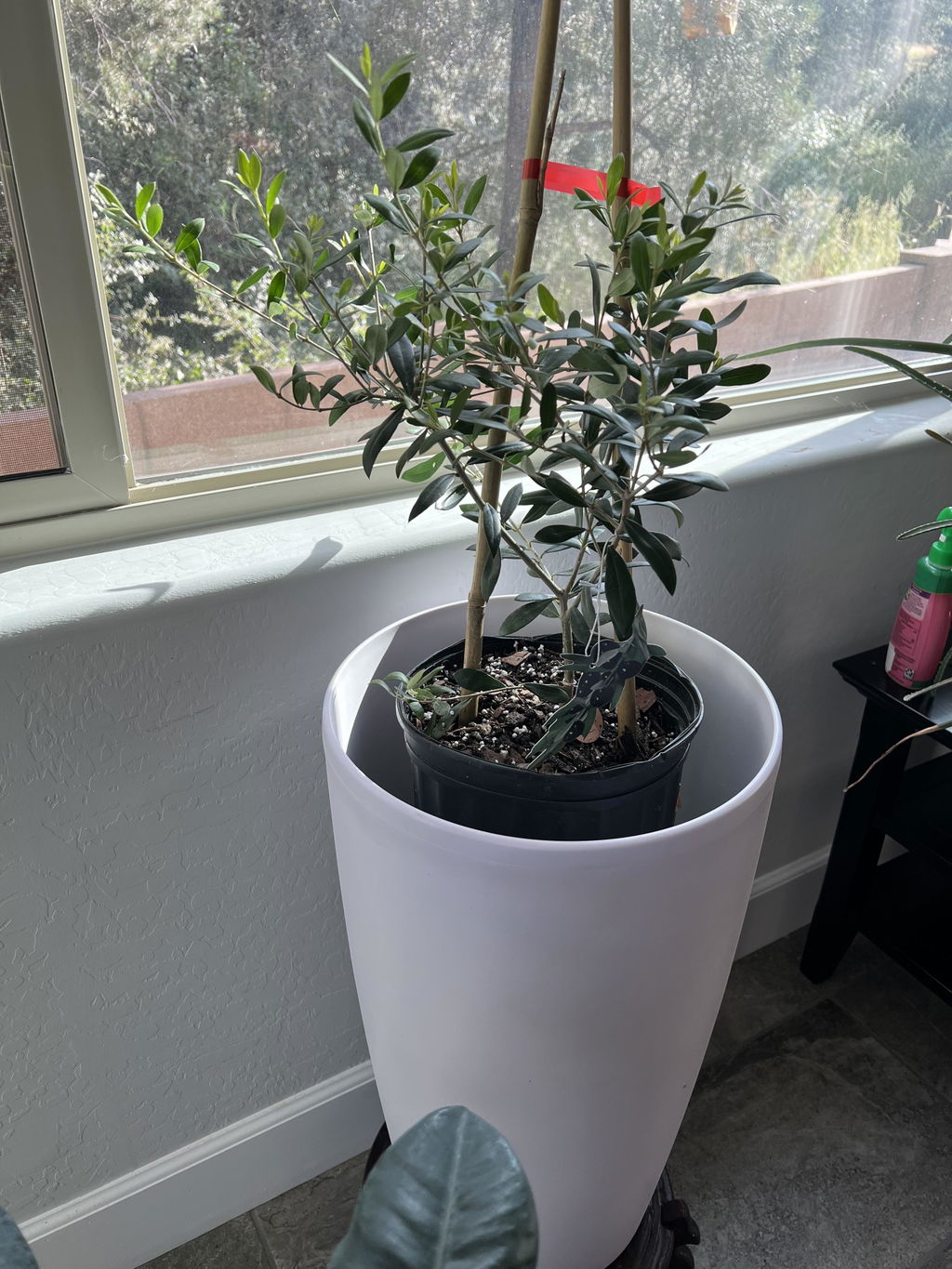
Growing huckleberry plants in your garden offers a unique opportunity to enjoy sweet, flavorful berries while adding a native touch to your landscape. In this comprehensive guide, we'll walk you through everything you need to know about huckleberry plant care, from soil preparation to seasonal maintenance, so you can confidently grow these delightful shrubs year after year.
Huckleberry Plant Growing Requirements
Climate and Hardiness Zones
Huckleberry plants flourish in cooler climates with moderate temperatures and adequate moisture throughout the growing season. Most varieties thrive in USDA hardiness zones 3 through 7, though some species can tolerate zone 8 with proper care.
The ideal growing temperature range for huckleberries falls between 60°F and 75°F during the active growing season. Extreme heat above 85°F can stress plants and reduce berry quality, while spring frost can damage early blooms.
Soil Requirements and pH Balance
The foundation of successful huckleberry cultivation begins with proper soil composition. These plants demand acidic soil with a pH between 4.5 and 5.5, similar to their wild woodland environment.
Beyond acidity, huckleberries require well-draining soil rich in organic matter. A loose, humus-rich medium that retains moisture without becoming waterlogged creates the perfect growing environment. Clay soils need amendment with compost, aged bark, or sand to improve drainage, while sandy soils benefit from generous additions of compost to boost water retention.
Light and Location Considerations
Selecting the right location for your huckleberry plants significantly impacts their long-term health and productivity. In their native habitat, huckleberries grow as understory plants beneath taller trees, receiving dappled sunlight throughout the day. Replicating these conditions in your garden means choosing a spot with partial shade, especially during intense afternoon sun. Plants receiving 4 to 6 hours of filtered sunlight daily typically perform best, producing abundant fruit without suffering from heat stress.

Huckleberry Plant Care
Watering and Moisture Management
Huckleberry plants need consistent moisture, especially during early growth and fruiting. Water newly planted shrubs 2–3 times per week in the first season, keeping soil evenly moist but not soggy. Once established, reduce watering to about once a week during dry periods.
Deep watering (1–2 inches per week) is better than frequent light watering, as it encourages deeper root growth. Drip irrigation or soaker hoses work best to maintain moisture while keeping foliage dry.
Mulching with pine bark, wood chips, or pine needles helps retain moisture and maintain soil acidity. Keep mulch a few inches away from stems to prevent rot. Check soil moisture regularly at a 3–4 inch depth before watering.
Fertilization and Nutrient Management
Huckleberries are light feeders and do best with acidic, low-strength fertilizers such as those used for blueberries or azaleas. Apply in early spring as new growth begins, using a balanced slow-release fertilizer at half strength.
Organic options like compost or fish emulsion provide gentle nutrition without harming soil pH. Avoid high-nitrogen fertilizers, which encourage leafy growth instead of berries. Yellowing leaves may indicate iron deficiency, often corrected with soil acidification or chelated iron.
Pruning and Seasonal Maintenance
Prune in late winter or early spring while plants are dormant. Remove dead, weak, or crowded branches to improve airflow and light penetration. Since huckleberries fruit on older wood, avoid heavy pruning of healthy productive canes.
Every few years, remove the oldest stems at ground level to stimulate new growth and maintain productivity. Light shaping can be done anytime, but major pruning should be done during dormancy.
Harvesting and Post-Harvest Care
Huckleberries are ready to harvest when they reach full color and separate easily from the stem. Pick every few days during peak season to encourage continued ripening.
Handle berries gently to avoid bruising and refrigerate immediately after harvesting. After harvest, continue basic care to help plants store energy for the next growing season.
Get premium huckleberry plants today - start your harvest fast and grow with confidence.
Frequently Asked Questions
How long does it take for huckleberry plants to produce fruit?
Most huckleberry plants begin producing small amounts of fruit in their second or third year after planting, with full production starting around year 4 or 5. Young plants focus energy on establishing strong root systems and vegetative growth before dedicating resources to berry production. Purchasing larger, more mature plants can reduce the waiting period, though they require extra care during establishment.
Can I grow huckleberries in containers?
Yes, you can successfully grow huckleberries in containers, though they require larger pots and consistent care. Choose containers at least 18 to 24 inches in diameter with excellent drainage holes. Use an acidic potting mix designed for blueberries or rhododendrons, and plan to water more frequently than in-ground plants since containers dry out faster.
How do I protect huckleberry plants from birds?
Birds find ripening huckleberries as irresistible as humans do, making protection essential for securing your harvest. Lightweight bird netting draped over plants or supported by a frame structure provides effective physical barriers without harming wildlife. Install netting as berries begin changing color but before they fully ripen. Reflective tape, old CDs hung from branches, or motion-activated sprinklers offer additional deterrents.
Can huckleberries tolerate full sun in cooler climates?
In USDA zones 3 through 5 where summer temperatures remain moderate, huckleberry plants can tolerate full sun exposure better than in warmer regions. Cooler climates with naturally higher humidity and lower maximum temperatures create conditions where 6 to 8 hours of direct sunlight supports robust growth without causing heat stress.
Final Thoughts
Growing huckleberry plants is a long-term investment that rewards patience with years of flavorful, nutrient-rich harvests. With the right balance of acidic soil, steady moisture, and suitable light conditions, these native plants thrive and become more productive over time.
Ready to start growing your own huckleberries? Shop our huckleberry plants today and bring this unique, wild fruit into your home garden for seasons to come.