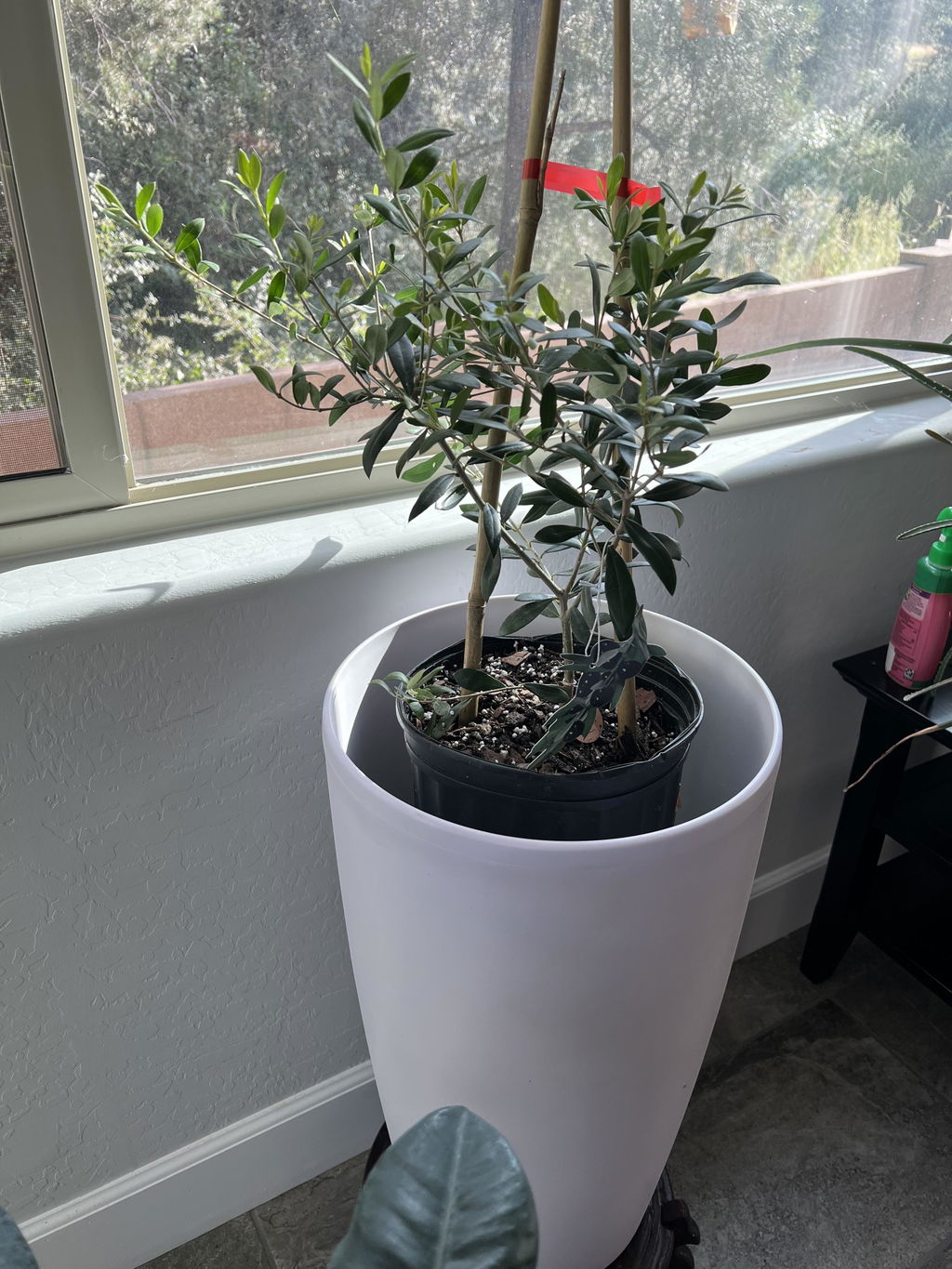
If you're dreaming of transforming your yard into a vibrant outdoor sanctuary, the redbud tree deserves a prime spot in your landscape design. This stunning native tree bursts into life each spring with clouds of vivid pink-purple blooms that appear before its leaves unfold, creating an unforgettable display that signals the arrival of warmer days. Whether you're a seasoned gardener or just beginning your botanical journey, the redbud tree offers beauty, resilience, and year-round visual interest that elevates any outdoor space into a true oasis.
Why the Redbud Tree Stands Out in American Landscapes
The Redbud Tree (Cercis canadensis) has become one of the most popular ornamental trees in the United States because it offers something beautiful during every season while remaining relatively easy to grow.
Its most celebrated feature is undoubtedly the spring bloom display. Before leaves emerge, thousands of bright pink to purple flowers cover the branches, creating a dramatic burst of color when much of the landscape is still waking from winter dormancy.
After flowering, heart-shaped leaves emerge and create a soft, elegant canopy that complements both traditional and modern landscapes. During autumn, the foliage turns shades of golden yellow, extending the tree's seasonal appeal.
Beyond aesthetics, Redbud Trees support local ecosystems by providing an important early-season nectar source for bees, butterflies, and other pollinators. As a native species, they also adapt well to a wide range of growing conditions across USDA Zones 4–9.
According to the Missouri Botanical Garden, Eastern Redbud is one of the most versatile native flowering trees for residential landscapes due to its ornamental value and adaptability.
Ready to enjoy spectacular spring blooms in your own yard? Explore our nursery-grown Redbud Trees selected for strong root systems and reliable flowering performance.

Planting Your Redbud Tree for Long-Term Success
Choose the Right Location
Redbud Trees perform best in locations that receive full sun to partial shade. In cooler climates, full sun encourages stronger flowering and denser growth. In hotter southern regions, some afternoon shade can help reduce stress during the peak of summer.
When selecting a planting site, remember that mature trees typically reach 20–30 feet in height with a similar spread. Allow adequate room for future growth while maintaining a safe distance from structures and walkways.
Focus on Soil and Drainage
One of the most important factors for Redbud Tree success is proper drainage.
While Redbuds adapt to clay, loam, and sandy soils, they dislike constantly wet conditions. Poor drainage can increase the risk of root problems and reduce overall vigor.
Before planting, improve heavy soil with compost or organic matter to encourage healthy root development. A layer of mulch around the base of the tree helps retain moisture, suppress weeds, and improve soil quality over time.
Learn how excess moisture affects root systems in our complete Root Rot Guide.
Planting for Faster Establishment
Dig a hole two to three times wider than the root ball but no deeper than its height. Position the root flare slightly above the surrounding soil level and backfill carefully.
Water thoroughly after planting and continue providing deep weekly watering throughout the first growing season.
Spring and fall are generally the best planting seasons because moderate temperatures allow roots to establish before extreme weather arrives.
Ready to create a stunning spring focal point? Shop our collection of field-grown Eastern Redbud Trees selected for vigorous growth and long-term landscape success.

Caring for Your Redbud Tree Through the Seasons
Once established, a Redbud Tree requires relatively little maintenance. Following a few seasonal care practices will help ensure healthy growth and reliable flowering year after year.
Watering
Young Redbud Trees need consistent moisture while establishing their root systems. During the first year, deep watering once a week is usually sufficient.
Mature trees become moderately drought-tolerant, but extended dry periods may still require supplemental watering. Deep, infrequent watering encourages stronger root development than frequent shallow irrigation.
Avoid common watering mistakes by reading How to Save Your Plants from Overwatering and Underwatering.
Fertilizing
Redbud Trees are not heavy feeders. In many landscapes, decomposing mulch and organic matter provide sufficient nutrients.
If additional feeding is needed, apply a balanced slow-release fertilizer in early spring before new growth begins. Excess fertilizer often promotes foliage growth at the expense of flowering.
Maintaining healthy soil is usually more important than frequent fertilization.
Pruning
Minimal pruning helps preserve the tree's naturally graceful form.
Remove dead, damaged, or crossing branches during late winter while the tree remains dormant. Avoid aggressive pruning, which can reduce flowering and disrupt the tree's attractive structure.
A well-maintained Redbud Tree often looks best when allowed to develop its natural branching pattern.
Learn the best timing for tree maintenance with our General Pruning Calendar Guide.
Preventing Common Problems
Redbud Trees are generally healthy, but occasional issues can occur.
Potential concerns include:
- Canker diseases
- Leaf spot
- Verticillium wilt
- Stress caused by poor drainage
Most problems are preventable through proper site selection, adequate air circulation, and good watering practices.
The NC State Extension recommends maintaining healthy growing conditions as the most effective way to minimize disease issues in Redbud Trees.
Discover how seasonal changes affect plant health in our guide to Plant Care Through the Seasons.

Designing Your Yard with Redbud Trees
Create a Stunning Specimen Tree
A single Redbud Tree planted in a prominent location can serve as a breathtaking focal point.
Its spring blooms naturally attract attention, while its compact size makes it suitable for front yards, side gardens, and smaller residential landscapes.
Positioning the tree where it can be viewed from windows, patios, or outdoor seating areas maximizes its visual impact throughout the year.
Create an unforgettable spring focal point with one of our landscape-ready Eastern Redbud Trees.
Build a Woodland Garden
Because Redbud Trees naturally occur along woodland edges, they integrate beautifully into naturalistic landscapes.
Combine them with:
- Native ferns
- Virginia bluebells
- Wild columbine
- Woodland phlox
The result is a layered garden that provides beauty while supporting local wildlife.
Support Pollinators
Early spring blooms provide valuable nectar for bees, butterflies, and other beneficial insects when few other food sources are available.
Adding a Redbud Tree to your landscape helps create a healthier ecosystem while increasing biodiversity in your garden.
This ecological value makes Redbuds particularly attractive for homeowners interested in sustainable gardening practices.
Bring more birds, bees, and butterflies to your yard with a flowering Redbud Tree that provides valuable early-season nectar.
Pair With Companion Plants
Redbud Trees combine beautifully with many flowering perennials and shrubs.
Excellent companions include:
- Coneflowers
- Black-eyed Susans
- Hydrangeas
- Native grasses
- Hostas
- Coral bells
These combinations extend seasonal interest and create a more dynamic landscape design.
Looking for a tree that combines ornamental beauty with ecological benefits? Explore our collection of nursery-grown Eastern Redbud Trees and bring vibrant spring color to your landscape.

Key Takeaways: Your Redbud Tree Success Summary
- Redbud Trees provide outstanding four-season interest.
- Spectacular spring blooms make them one of America's most beloved ornamental trees.
- They thrive in full sun to partial shade and adapt to various soil types.
- Proper drainage is essential for long-term health.
- Minimal pruning and moderate watering support healthy growth.
- Native flowers provide valuable nectar for pollinators.
- Their moderate size makes them suitable for both large and small landscapes.
What is the downside of the redbud tree?
While the redbud tree offers numerous benefits, it's important to understand a few potential drawbacks before planting. The primary concern is the tree's relatively short lifespan compared to oak or maple; redbuds typically live 20 to 30 years under optimal conditions, occasionally reaching 50 years with exceptional care. They can be susceptible to canker diseases and verticillium wilt, particularly when stressed by poor drainage, drought, or mechanical damage. The tree also tends to produce numerous seedpods that some homeowners find messy, though many appreciate them for their winter interest and wildlife value. Additionally, redbuds have a moderate growth rate and somewhat brittle wood that can be damaged in severe ice storms. However, these minor considerations are far outweighed by the tree's spectacular beauty and ecological value for most gardeners.
Is redbud a fast-growing tree?
Redbud Trees are considered moderate growers.
Most trees add between 12 and 24 inches of new growth each year under favorable conditions. While they won't reach maturity as quickly as some fast-growing species, they grow rapidly enough to provide noticeable landscape impact within just a few years.
Many Redbud Trees begin flowering at a relatively young age, often within four to six years of planting. This means homeowners can enjoy colorful spring displays much sooner than with many other ornamental trees.
Their moderate growth rate also contributes to stronger branch structure and lower maintenance requirements compared to some extremely fast-growing species.
Ready to transform your yard with one of America's most beloved native flowering trees? Browse our collection of healthy, landscape-ready Eastern Redbud Trees and start building the vibrant outdoor oasis you've always envisioned.