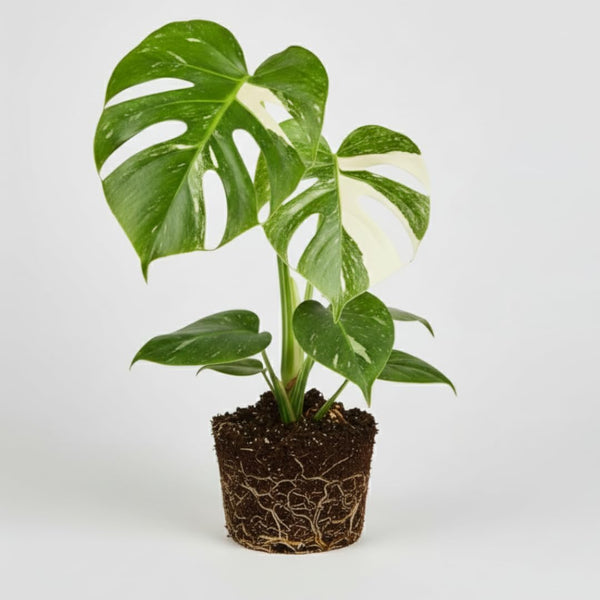
Looking to add a touch of elegance and rarity to your indoor or outdoor garden? The Thai Constellation plant (Monstera deliciosa ‘Thai Constellation’) is a breathtaking variegated variety admired for its creamy-white marbled leaves and tropical appeal. More than just a statement piece, this plant is surprisingly easy to care for and instantly elevates any space with its celestial beauty. In this guide, you’ll discover how to grow, care for, and style the Thai Constellation to make your garden truly stand out.
Key Takeaways
- Monstera Thai Constellationis a rare, stylish, and highly sought-after indoor plant known for its star-like variegation.
- Proper lighting, humidity, and free-draining soil are crucial for cultivating a healthy and vibrant plant.
- Growing this Monstera variety offers not just visual beauty but a sense of connection to nature and well-being.
- Engaging with the plant community enhances the joy and success of your gardening journey.
Table of Contents
- Discovering the Monstera 'Thai Constellation'
- Care Requirements: Growing with Confidence
- The Joy of Growth: More Than Just a Plant
- Join the Community: Let's Grow Together
- FAQ
Discovering the Monstera 'Thai Constellation'
Few houseplants attract attention quite like the Monstera Thai Constellation plant. Its creamy-white marbled leaves resemble scattered stars across a green sky, making every leaf completely unique. Unlike many variegated Monsteras, this cultivar has stable genetic variegation created through tissue culture, so the beautiful patterns remain consistent as the plant matures.
The Thai Constellation plant is a cultivated form of Monstera deliciosa that originated from laboratory propagation in Thailand. Today, it has become one of the most desirable tropical houseplants for collectors and beginners alike.
Beyond its appearance, this Monstera brings structure and tropical character into almost any indoor space. Mature plants develop large fenestrated leaves that instantly become the focal point of a living room, office, or sunroom.
According to the Missouri Botanical Garden, Monstera species naturally grow beneath rainforest canopies, where they receive filtered light, warm temperatures, and high humidity. Recreating these conditions at home is the secret to success.
If you're looking to add a premium tropical specimen to your collection, explore our Monstera Collection.

Care Requirements: Growing with Confidence
Although the Thai Constellation plant has a reputation for being expensive, its care is surprisingly straightforward once you understand its natural growing conditions.
Light
Light is the biggest factor affecting the appearance of a Thai Constellation plant.
Place it where it receives 6–8 hours of bright indirect sunlight each day.
Ideal locations include:
- East-facing windows
- Bright south-facing windows with sheer curtains
- Well-lit rooms away from harsh afternoon sun
Too little light causes slower growth and smaller leaves, while intense direct sunlight can scorch the white variegated sections. Mastering the balance between bright light and low light for indoor environments ensures your Thai Constellation maintains that stunning, high-contrast variegation throughout the year.
Watering
One of the biggest mistakes people make with a Monstera Thai Constellation plant is watering too frequently.
- Allow the top 2 inches of soil to dry before watering.
- Water deeply until excess drains from the bottom.
- Empty decorative cachepots after watering.
Because variegated plants photosynthesize more slowly, they generally consume water at a slower rate than fully green Monsteras.
If you're unsure whether it's time to water, read our guide on recognizing yellow leaves and drooping stems.
Humidity & Temperature
As a tropical plant, the Monstera Thai Constellation plant prefers warm, humid conditions.
Ideal environment:
- Humidity above 60%
- Temperature between 65–85°F (18–29°C)
- Keep away from cold drafts and heating vents
If indoor humidity is low, consider:
- Running a humidifier
- Grouping tropical plants together
- Using a pebble tray beneath the pot
Higher humidity also helps new leaves unfurl more easily.
Soil
Roots need excellent airflow. Use a chunky aroid mix containing:
- Orchid bark
- Perlite
- Coco coir or peat moss
- Pumice
- High-quality potting soil
Avoid dense garden soil that stays wet for long periods, as poor drainage is the leading cause of root rot.
The University of Florida IFAS Extension recommends well-aerated growing media for Monstera and other tropical aroids.
Fertilizing
Feed your Thai Constellation plant once a month during spring and summer using a balanced liquid fertilizer diluted to half strength.
Avoid excessive fertilizer, as variegated Monsteras grow more slowly and can suffer fertilizer burn.
Repotting
Repot every 18–24 months, or when roots begin circling the container.
Choose a pot only 1–2 inches larger than the current one to prevent excess soil from retaining too much moisture.
Adding a moss pole or coco coir pole also encourages climbing, resulting in significantly larger foliage.
Looking for premium tropical plants? Browse our complete Indoor Plant Collection.

The Joy of Growth: More Than Just a Plant
Growing a Monstera Thai Constellation plant transcends mere aesthetics. It represents a journey of patience and dedication. As you nurture this plant, observe its growth and celebrate the small victories - a new leaf unfurling, the play of light on its variegation, or simply the joy it brings to your space.
In addition to its beauty, this plant also cleans the air, filtering out toxins and promoting a healthier living environment. With the right care, your Monstera can live for many years, becoming a cherished part of your home.

Join the Community: Let's Grow Together
As you embark on your journey with Monstera Thai Constellation plant, remember that the joy of gardening is best shared. Consider joining a local plant club or engaging with online communities of fellow plant enthusiasts. Share tips, celebrate successes, and even figure out creative propagation methods together!
In conclusion, cultivating beauty through nature is an empowering path-one filled with endless learning, exploration, and connection. The Monstera Thai Constellation plant stands as a perfect emblem of this adventure, inviting you to elevate your space into a lush retreat. So gather your gardening tools, embrace the nurturing spirit, and let’s grow together in harmony with nature.
Transform your living space with the celestial beauty of the Thai Constellation Monstera. Whether you are a dedicated collector or a budding plant enthusiast, Gingerglow provides healthy, vibrant specimens to help your collection flourish. Shop our premium Thai Constellation collection today and make your garden truly stand out!

FAQ
Where can I buy a Monstera Thai Constellation?
Monstera Thai Constellation can often be found at specialty plant shops, reputable online nurseries, or via plant community marketplaces. Due to its popularity, check for trustworthy sellers that guarantee healthy, pest-free plants.
How do I encourage variegation in my Monstera Thai Constellation?
Variegation in this plant is genetic and won’t revert under normal conditions, but providing bright, indirect light ensures the patterns remain vibrant. Avoid too much shade or direct sunlight for the best appearance.
Is the Monstera Thai Constellation safe for pets?
Unfortunately, no. Like other aroids, Monstera Thai Constellation is toxic to cats and dogs if ingested. Keep it out of reach of curious pets.
Can I propagate Monstera Thai Constellation at home?
Yes, you can propagate cuttings with at least one node and leaf. However, due to its rarity and slow growth, be patient—rooting and new growth can take several months. Use sterilized tools and a proper propagation technique for best results.