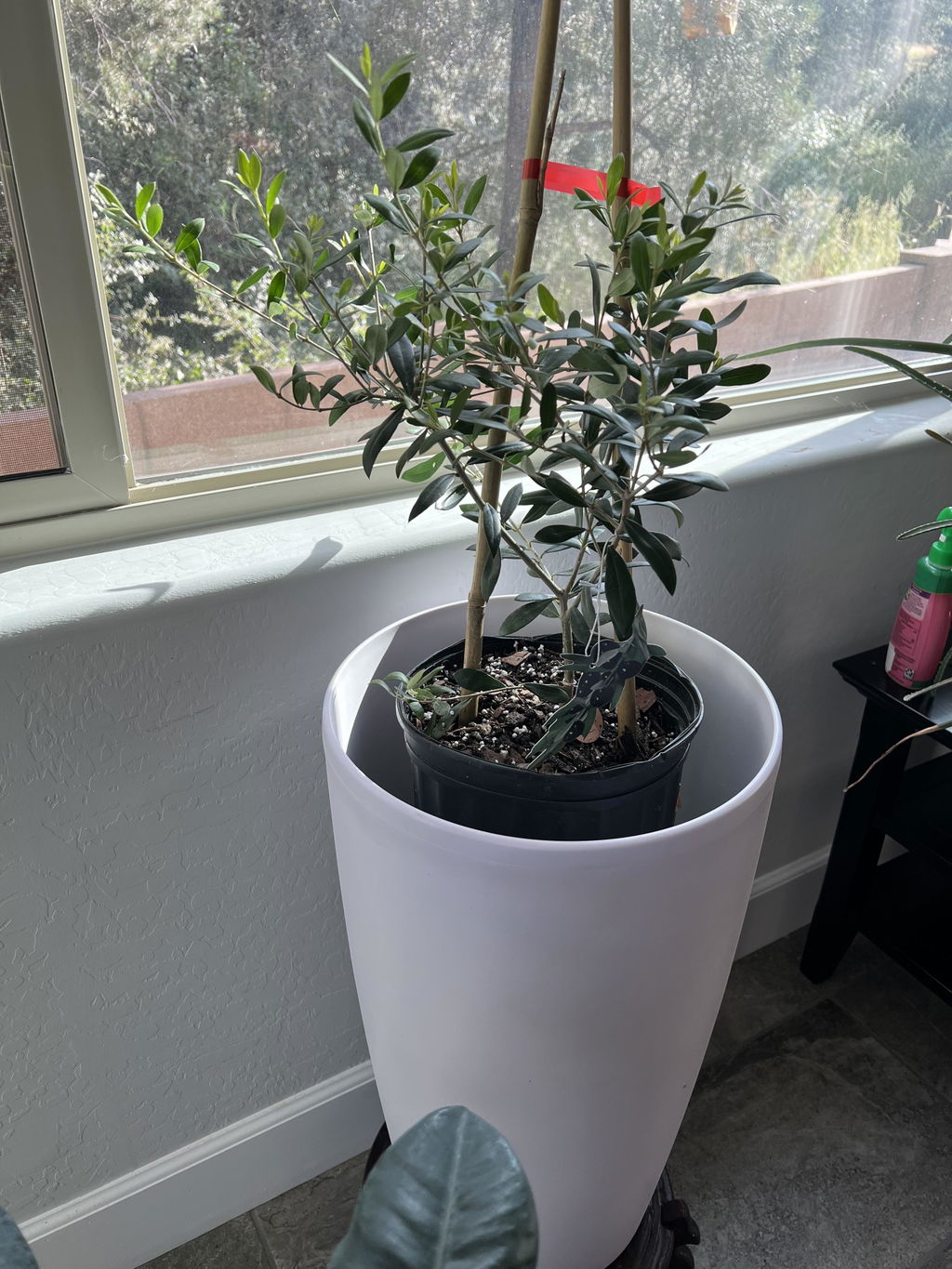
A Complete Growing Guide to the Jabuticaba Sabará Tree
Key Takeaways
- The Jabuticaba Sabará tree is loved for its exotic trunk-borne, grape-like fruits and stunning ornamental value.
- It thrives in warm, humid climates and needs consistent soil moisture and shelter from frost.
- Proper soil, watering, and container care are essential for success.
- This tree offers unique fruits, sustainability, and visual appeal for your home garden.
Table of Contents
- Discover the Beauty of Jabuticaba Sabará
- Ideal Growing Conditions for Your Jabuticaba Tree
- Planting Tips for Success
- Caring for Your Jabuticaba Tree
- Why Grow a Jabuticaba Tree?
- Community Connection: Let’s Grow Together
- Additional Resources
- FAQ
Discover the Beauty of Jabuticaba Sabará
The Jabuticaba tree, scientifically known as Plinia cauliflora, is a slow-growing, small evergreen tree native to Brazil. Its most distinctive feature is its cauliflory, the ability to produce stunning clusters of small, deep purple fruits right off the trunk.
Imagine stepping into your garden and being greeted by a tree adorned in orb-like fruits, almost reminiscent of a living, grape-laden vine.
“Experience Nature at Its Best”
These trees bring extraordinary visual appeal. Their multi-trunked structure, glossy green leaves, and bark that peels to a copper tinge create a vibrant, exotic atmosphere.

Ideal Growing Conditions for Your Jabuticaba Tree
To cultivate a flourishing Jabuticaba Sabará in your home or outdoor garden, understanding its ideal conditions is critical:
Climate Requirements
- Hardiness Zone: Best for USDA zones 10–11, these trees crave tropical or subtropical climates.
- Temperature: Ideally, between 50°F and 85°F (10°C–29°C); young plants must be protected from frost. Since these Brazilian natives are sensitive to dips in temperature, implementing proactive frost protection strategies is vital for gardeners in borderline zones to keep the sap flowing."
Soil Considerations
- Type: Well-draining, nutrient-rich, slightly acidic soil (pH 5.5–6.5) is a must. Avoid salty or poorly drained sites.
- Moisture: They love water, but never soggy roots. Keep soil evenly, consistently moist.

Planting Tips for Success
Choosing the Right Spot
Select a sheltered area to protect against harsh winds and frost. For containers, pick a sunny location that’s convenient for watering and care.
Planting Procedure
- Prepare the Soil: Enrich with organic matter for nutrition and drainage.
- Dig the Hole: Twice as wide as the root ball, keeping the top slightly elevated above ground level.
- Plant: Position your tree, backfill, and water deeply to settle the soil.
Caring for Your Jabuticaba Tree
Providing attentive, expert care helps your Jabuticaba Sabará thrive and ensures a rewarding harvest!
Watering Schedule
- Keep soil moist: Water deeply 2–3 times weekly in dry spells.
- Watch for stress: Yellowing leaves can signal overwatering or wrong pH. If foliage starts losing its vibrant green, cross-referencing symptoms with diagnosing yellow leaves and drooping stems ensures you don't mistake a pH imbalance for simple thirst.
Fertilization Needs
- Choose a balanced, slow-release fertilizer in spring to feed new growth.
- Mulch with well-rotted compost; this locks in moisture and supplies nutrients.
Pruning Techniques
- Maintain shape & health: Prune lightly after harvest, avoid heavy trunk cuts, as main trunks bloom and fruit. While you must preserve the trunk, applying general sanitary pruning guidelines to remove deadwood helps direct the tree's energy solely into fruit production.
Container Growing
- Big containers only: Ensure spacious pots with great drainage.
- Acidic, rich mix: Use a blend that drains well to prevent sogginess.
- Winter care: Move pots indoors or to a sheltered site to block frost.

Why Grow a Jabuticaba Tree?
- Unforgettable fruit: Jabuticaba’s sweet, muscadine-grape-like taste (with a hint of plum) makes it perfect fresh or in jams and wines.
- Exotic presence: Bold, unique looks turn your garden into a true tropical showcase.
- Sustainable delight: Homegrown fruit means a lower carbon footprint and more eco-friendly living.
Community Connection: Let’s Grow Together
Embrace the journey of nurturing this delicious, eye-catching tree. Every step in growing a Jabuticaba Sabará brings you closer to lush, homegrown abundance.
“Trust in the Journey of Growth”
At GingerGlow, we’re dedicated to guiding and supporting your green ambitions every step of the way.
You can jumpstart your harvest timeline significantly by starting with a mature, grafted Jabuticaba specimen from our nursery. Instead of waiting years, you’ll be positioned to enjoy those unique blooms and fruits much sooner.
Let’s fast-track your tropical retreat. Explore our collection today and bring home the exotic beauty of Brazil without the long wait!

Additional Resources
- Jabuticaba Recipes: Explore creative uses for your harvest.
- Frost Protection Techniques: Simple methods to keep your trees safe in chillier months.
FAQ
-
How long does it take for Jabuticaba Sabará to bear fruit?
When grown from seed, these trees usually take 8–15 years to fruit. Grafted or air-layered trees can fruit much earlier, within 3–5 years! -
Can I grow Jabuticaba indoors?
Yes! Large containers and sufficient sunlight (or grow lights) make Jabuticaba a candidate for bright indoor spaces, especially in cold climates. -
Why are my Jabuticaba leaves turning yellow?
Yellowing is often due to overwatering or incorrect soil pH. Test your soil and adjust watering practices accordingly. -
What pests or diseases affect Jabuticaba?
Jabuticaba is generally pest-resistant, but watch for aphids and scale insects. Regular inspection and prompt removal help maintain plant health.