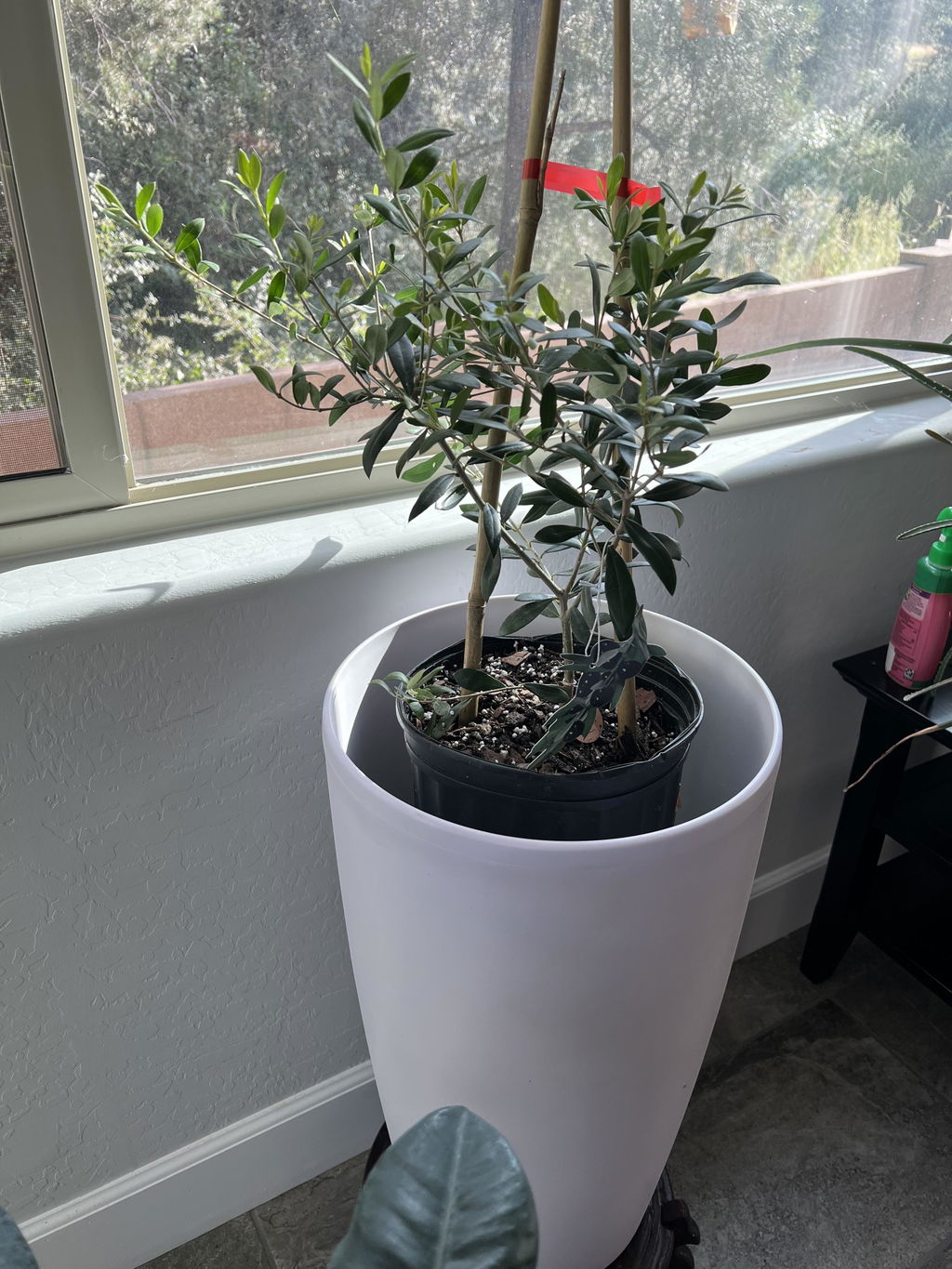
Imagine stepping into your home and being greeted by the sweet, intoxicating fragrance of jasmine blooms, a scent that instantly lifts your mood and transforms your living space into a tranquil sanctuary. The jasmine plant is more than just a beautiful addition to your indoor garden; it's a living aromatherapy experience that brings the calming essence of nature right to your doorstep. Whether you're a seasoned plant parent or just beginning your botanical journey, choosing the right jasmine variety for indoor growing can make all the difference in creating a thriving, fragrant oasis that flourishes year-round.
Why Choose Jasmine Plants for Your Indoor Garden
The jasmine plant family offers an incredible range of varieties perfectly suited for indoor cultivation, each bringing its own unique charm and fragrance profile to your home. Unlike many flowering houseplants that require complex care routines, many jasmine varieties adapt remarkably well to container growing and indoor conditions when given proper attention to their basic needs.
Indoor jasmine cultivation provides multiple benefits beyond its legendary fragrance. These evergreen beauties purify your indoor air by filtering toxins, create visual interest with their glossy foliage and delicate blooms, and offer therapeutic aromatherapy benefits that can reduce stress and improve sleep quality. Jasmine, a genus containing around 200 species in the olive family, has been cultivated for centuries across tropical and warm temperate regions, making certain varieties remarkably adaptable to indoor environments.
The key to success with indoor jasmine plants lies in understanding that while they're relatively low-maintenance compared to other flowering houseplants, they do have specific requirements. Most varieties thrive with bright, indirect sunlight for at least 4-6 hours daily, consistent watering that keeps soil moist but never waterlogged, and moderate to high humidity levels that mimic their natural tropical origins. When these conditions are met, your jasmine will reward you with abundant blooms and that signature fragrance that makes coming home a truly sensory experience.
What makes jasmine particularly appealing for indoor growing is its compact growth habit when properly pruned and its ability to bloom multiple times throughout the year with the right care. Many varieties can be trained to climb small trellises or cascade from hanging baskets, offering creative display options that maximize your vertical growing space. Whether you have a sunny windowsill, a bright corner, or a dedicated plant shelf with grow lights, there's a jasmine variety that will thrive in your unique indoor environment.

Top Jasmine Plant Varieties Perfect for Indoor Spaces
Selecting the right jasmine plant variety for your indoor garden depends on several factors, including available space, light conditions, and your fragrance preferences. Some varieties produce intensely aromatic blooms that can perfume an entire room, while others offer more subtle scents. Let's explore the most successful jasmine varieties for indoor cultivation and what makes each one special.
Grand Duke Jasmine: The Double-Bloom Champion
Grand Duke Jasmine (Jasminum sambac 'Grand Duke of Tuscany') stands out as one of the most spectacular choices for indoor growing. This variety produces stunning double-petaled white blooms that resemble miniature roses, each flower releasing an intensely sweet fragrance that can fill your entire home. The compact growth habit makes it ideal for container growing, typically reaching 2-3 feet indoors when properly maintained. Discover the Power of Grand Duke Jasmine: Nature's Beauty and Connection to learn more about this remarkable variety's cultural significance and care requirements.
What makes Grand Duke particularly suitable for indoor environments is its tolerance for container restrictions and its ability to bloom year-round when provided with adequate warmth and light. The thick, waxy petals are longer-lasting than single-bloom varieties, giving you extended periods of fragrance and beauty. This variety prefers temperatures between 60-75°F and appreciates a monthly feeding during the growing season with a balanced liquid fertilizer to support its prolific blooming habit.
To welcome this heavy-scented showstopper into your home, explore our hand-selected premium Grand Duke Jasmine specimens and experience its unrivaled, rose-like fragrance firsthand.

Belle India Jasmine: The Continuous Bloomer
Belle India Jasmine (Jasminum sambac 'Belle of India') earns its place as a favorite among indoor gardeners for its remarkably consistent blooming cycle. This variety produces elegant, semi-double white flowers throughout the year, with peak blooming periods in spring and summer. The flowers open white and gradually age to a soft pink, creating a beautiful two-tone effect on the same plant. Belle India maintains a manageable size of 3-4 feet in containers, making it perfect for floor placement near bright windows.
The fragrance profile of Belle India is slightly different from other sambac varieties; it offers a cleaner, more floral scent with subtle fruity undertones that many find less overpowering for indoor spaces. This makes it an excellent choice if you want continuous fragrance without the intensity that can sometimes become overwhelming in enclosed areas. The plant responds beautifully to regular pruning, which encourages bushier growth and even more abundant flowering.
If you are looking for a tireless performer that perfumes your home in every season, our field-grown Belle of India Jasmine plants offer the most reliable, continuous bloom cycle.

Maid of Orleans Jasmine: The Easy-Care Classic
Maid of Orleans Jasmine (Jasminum sambac 'Maid of Orleans') is often recommended as the best jasmine plant for beginners due to its forgiving nature and reliable performance. This variety produces single-petaled white flowers that bloom in clusters, creating a snowfall effect when in full flower. The blooms are highly fragrant with the classic jasmine scent that's both sweet and slightly spicy, making them perfect for natural home fragrance.
What sets Maid of Orleans apart for indoor cultivation is its adaptability to varying light conditions and its resilience to minor care mistakes. While it prefers bright indirect light, it can tolerate medium light conditions better than most jasmine varieties, though blooming may be less profuse. The plant typically grows 2-4 feet tall indoors and responds well to pruning after flowering periods, which helps maintain a compact, bushy shape ideal for tabletop or shelf display.
For novice gardeners seeking a forgiving introduction to indoor aromatics, starting with our healthy Maid of Orleans Jasmine starters ensures a successful first season.

Night-Blooming Jasmine: The Evening Performer
Night-blooming jasmine (Cestrum nocturnum), while not a true jasmine botanically, offers a unique experience for indoor growers who want dramatic evening fragrance. This variety's small, tubular greenish-white flowers remain closed and scentless during the day, then open at dusk to release an incredibly powerful, sweet fragrance that intensifies throughout the night. The scent can be almost overpowering in small spaces, so consider placing this variety in larger rooms or near open windows.
Night-blooming jasmine grows vigorously and benefits from regular pruning to maintain an attractive shape and manageable size indoors. The plant prefers warm temperatures and high humidity, making it an excellent choice for well-lit bathrooms or kitchens where environmental conditions naturally support its growth. Be mindful that all parts of this plant are toxic if ingested, so keep it away from curious pets and children.
To transform your evening hours into a deeply fragrant tropical escape, add a vigorous Night-Blooming Jasmine) to your indoor collection.

Confederate Jasmine: The Versatile Climber
Confederate jasmine (Trachelospermum jasminoides) offers a different growth habit that opens up creative possibilities for indoor displays. This woody vine produces masses of pinwheel-shaped white flowers with a sweet, jasmine-like fragrance that's slightly less intense than true jasmine varieties. The glossy, evergreen foliage remains attractive year-round, providing visual interest even when not in bloom. Indoors, Confederate jasmine can be trained up a small trellis, allowed to cascade from hanging baskets, or pruned into a compact shrub form.
This variety is particularly cold-hardy compared to other jasmine types, tolerating temperatures down to 50°F, which makes it more forgiving if your indoor temperatures fluctuate. Confederate jasmine blooms primarily in spring and early summer, with occasional repeat blooming in fall if conditions are favorable. The plant benefits from a winter rest period with slightly cooler temperatures and reduced watering, which helps promote more abundant spring flowering.
Whether you want to frame a sunny window or drape a hanging basket, our lush Confederate Jasmine vines provide the perfect year-round evergreen architecture.

Essential Care Tips for Thriving Indoor Jasmine Plants
Successfully growing a jasmine plant indoors requires understanding and meeting its core needs while adapting care routines to your specific variety. While jasmine is often perceived as high-maintenance, establishing consistent care practices makes these fragrant beauties surprisingly manageable for home cultivation. The reward of intoxicating blooms and lush foliage far outweighs the minimal extra attention they require compared to standard houseplants.
Light Requirements and Placement Strategies
Light is the single most critical factor determining whether your jasmine plant will bloom prolifically or simply survive. Most jasmine varieties need 4-6 hours of bright, indirect sunlight daily to produce flowers. South-facing or west-facing windows typically provide ideal conditions, though you may need to filter intense afternoon sun with sheer curtains to prevent leaf scorch. East-facing windows work well for varieties like Maid of Orleans that tolerate slightly lower light levels.
If natural light is limited in your home, supplemental grow lights can successfully support jasmine blooming. Full-spectrum LED grow lights positioned 12-18 inches above the plant for 12-14 hours daily can compensate for insufficient natural light. If you are unsure how to read these environmental cues, cross-referencing your plant's symptoms with the warning signs your indoor plants are starving for sunlight ensures you can adjust their exposure before blooming completely stops. Conversely, if leaves develop brown spots or bleached areas, reduce direct sun exposure or move the plant slightly farther from windows.
Watering and Humidity Balance
Jasmine plants prefer consistently moist soil but will quickly succumb to waterlogging; understanding the early stages of defeating root rot is vital for keeping their delicate root systems intact. The ideal approach is to water thoroughly when the top inch of soil feels dry to the touch, allowing excess water to drain completely from the container. During active growing and blooming periods (typically spring through fall), you may need to water 2-3 times weekly, depending on your indoor temperature and humidity levels. In winter, reduce watering frequency as growth slows, but never allow the soil to become completely dry.
Humidity is equally important for indoor jasmine plant success. These tropical natives thrive in 50-60% relative humidity, which is higher than typical indoor environments that hover around 30-40%. Increase humidity around your jasmine by grouping it with other plants to create a microclimate, placing the container on a pebble tray filled with water (ensuring the pot doesn't sit directly in water), or running a small humidifier nearby. Regular misting provides temporary humidity relief but isn't sufficient as the sole humidity source.
Soil, Fertilization, and Container Selection
Choose a well-draining potting mix specifically formulated for flowering plants or create your own by combining standard potting soil with perlite and compost in a 2:1:1 ratio. The soil pH should be slightly acidic to neutral (6.0-7.0) for optimal nutrient uptake. Ensure your container has adequate drainage holes, jasmine roots sitting in water will quickly decline, leading to leaf yellowing and eventual plant death.
During the active growing season (spring through fall), feed your jasmine plant every 2-3 weeks with a balanced liquid fertilizer diluted to half strength, or use a slow-release granular fertilizer applied monthly. Look for formulations with an N-P-K ratio around 10-10-10 or slightly higher in phosphorus (the middle number) to support blooming. In winter, reduce or eliminate fertilization as growth naturally slows. Over-fertilization causes salt buildup in the soil and can burn roots, so always err on the side of less rather than more.
Pruning and Maintenance for Maximum Blooms
Regular pruning serves multiple purposes for indoor jasmine: it maintains a compact, attractive shape, encourages bushier growth with more flowering points, and removes dead or diseased material that can harbor pests. The best time to prune most varieties is immediately after a blooming cycle ends. Use clean, sharp pruning shears to cut stems just above a leaf node at a 45-degree angle. Don't be afraid to prune back up to one-third of the plant's total growth. Jasmine responds to pruning by producing new shoots that will carry future flowers.
Beyond pruning, inspect your jasmine plant weekly for early signs of common indoor pests like spider mites, mealybugs, and whiteflies, which are attracted to jasmine's tender new growth. Wipe leaves regularly with a damp cloth to remove dust and check the undersides where pests often hide. If you notice pests, isolate the affected plant immediately and treat with insecticidal soap or neem oil according to product instructions. Maintaining good air circulation around your jasmine helps prevent both pest infestations and fungal issues.

Creating the Perfect Indoor Environment for Jasmine Success
Beyond basic care requirements, creating an optimal environment for your jasmine plant involves thoughtful consideration of temperature, seasonal adjustments, and strategic placement within your home. Understanding how to mimic the plant's natural growing conditions while working within the constraints of indoor spaces will elevate your jasmine from merely surviving to truly thriving with abundant, fragrant blooms that justify your investment in time and care.
Temperature consistency plays a crucial role in jasmine health and flowering. Most varieties prefer daytime temperatures between 65-75°F with a slight drop of 5-10 degrees at night, which actually encourages bud formation. Avoid placing your jasmine near heating vents, air conditioning units, or drafty windows where temperature fluctuations are extreme. Cold drafts below 55°F can cause bud drop and leaf damage, while excessive heat above 85°F can stress the plant and reduce flowering. If you notice flower buds forming but dropping before opening, temperature stress or inconsistent watering are the most likely culprits.
Seasonal care adjustments help your jasmine plant maintain its natural growth rhythm even in controlled indoor environments. Many jasmine varieties benefit from a mild winter rest period with slightly cooler temperatures (60-65°F) and reduced watering, which promotes more vigorous spring growth and heavier blooming. During this dormant phase, it's normal for growth to slow or stop completely; this isn't a sign of poor health but rather the plant conserving energy for its next flowering cycle. Resume regular watering and fertilization gradually in early spring as you notice new growth emerging.
Strategic placement within your home can maximize your jasmine's visual impact while meeting its care needs. Consider creating a dedicated "jasmine corner" where you can control environmental factors more precisely with supplemental lighting, a small humidifier, and temperature monitoring. Alternatively, rotate your jasmine seasonally to take advantage of changing light angles, move it closer to windows during shorter winter days and slightly back during intense summer sun. Remember that once your jasmine begins forming buds, avoid moving it unnecessarily, as changes in the environment can cause bud drop before flowers open.
Finally, don't overlook the importance of proper air circulation for indoor jasmine plant health. Stagnant air promotes fungal diseases and creates an ideal environment for pests. Position a small oscillating fan to provide gentle air movement around your jasmine, being careful not to direct strong airflow directly at the plant, which can cause excessive water loss through leaves. This simple addition to your jasmine care routine can significantly reduce pest and disease problems while strengthening stems and encouraging more compact growth.
Key Takeaways
- Choose the right variety: Grand Duke Jasmine offers stunning double blooms, Belle India provides continuous flowering, and Maid of Orleans is perfect for beginners. Select based on your space, light conditions, and fragrance preferences.
- Light is critical: Provide 4-6 hours of bright, indirect sunlight daily or supplement with full-spectrum grow lights to ensure abundant blooming throughout the year.
- Balance moisture and humidity: Water when the top inch of soil dries out and maintain 50-60% humidity through pebble trays, grouping plants, or using a humidifier.
- Feed consistently: Apply balanced liquid fertilizer every 2-3 weeks during the growing season, reducing or eliminating feeding during winter dormancy.
- Prune strategically: Trim after blooming cycles to maintain a compact shape and encourage bushier growth with more flowering points.
- Monitor temperature: Keep daytime temperatures between 65-75°F with slight nighttime drops to encourage bud formation and prevent stress.
- Provide seasonal care: Allow a mild winter rest period with cooler temperatures and reduced watering to promote more vigorous spring growth and flowering.
- Ensure good air circulation: Use gentle fans to prevent pest infestations and fungal issues while strengthening plant structure.
Frequently Asked Questions About Indoor Jasmine Plants
How long does it take for a jasmine plant to bloom indoors?
A newly purchased or propagated jasmine plant typically takes 6-12 months to produce its first blooms when grown from cuttings, though mature nursery plants may bloom immediately if care conditions are met. Blooming frequency depends on variety and care; some like Belle India can bloom year-round with proper light and feeding, while others have specific seasonal blooming periods. If your established jasmine isn't blooming, the most common causes are insufficient light (needs 4-6 hours of bright indirect sun), lack of fertilizer during the growing season, or temperature stress. Adding supplemental grow lights and ensuring consistent care usually triggers blooming within 2-3 months.
Can jasmine plants survive in low-light indoor conditions?
While jasmine plants can survive in medium to low light conditions, they will not bloom without adequate bright light exposure. Varieties like Maid of Orleans show the most tolerance for less-than-ideal lighting but still require at least 4 hours of bright indirect light daily for flower production. In low-light situations, your jasmine plant may grow slowly and maintain its foliage, but will likely remain non-flowering. If natural light is limited in your home, investing in full-spectrum LED grow lights positioned 12-18 inches above the plant for 12-14 hours daily can successfully compensate and trigger blooming even in windowless rooms.
Why are the leaves on my jasmine plant turning yellow?
Properly diagnosing yellow leaves and drooping stems is crucial, as this symptom typically indicates one of three issues: overwatering causing root rot, nutrient deficiency, or natural aging. Check soil moisture, if it's constantly soggy, reduce watering frequency and ensure proper drainage. If the soil is appropriate but yellowing persists, begin feeding with a balanced liquid fertilizer every 2-3 weeks during growing season. It's normal for jasmine to drop a few older lower leaves periodically, but widespread yellowing signals a care problem. Additionally, sudden temperature changes or cold drafts can cause leaf yellowing, so ensure your plant isn't positioned near heating or cooling vents.
Is the jasmine plant's fragrance safe for people with allergies or pets?
The fragrance from true jasmine varieties (Jasminum species) is generally safe for most people and is actually used in aromatherapy for its calming properties. However, individuals with sensitivity to strong scents may find intense bloomers like Grand Duke or night-blooming jasmine overwhelming in small spaces. Consider placing these varieties in larger rooms or near windows. Regarding pets, true jasmine plants are officially classified as non-toxic to cats and dogs. However, note that night-blooming jasmine (Cestrum nocturnum) is toxic if ingested and should be kept away from curious pets and children.
How often should I repot my indoor jasmine plant?
Repot your jasmine plant every 2-3 years or when you notice roots growing through drainage holes, circling the soil surface, or when growth slows despite proper care. The best time to repot is in early spring, just before active growth begins. Choose a container only 1-2 inches larger in diameter than the current pot; oversized containers hold excess moisture that can lead to root rot. Use fresh, well-draining potting mix and be gentle with roots during transplanting. After repotting, water thoroughly and place the plant in bright indirect light, avoiding fertilization for 4-6 weeks to allow roots to establish in the new soil before pushing new growth.
Can I grow jasmine from cuttings to expand my collection?
Yes, jasmine propagates easily from stem cuttings, making it simple to expand your collection or share with friends. Take 4-6-inch cuttings from healthy, semi-hardwood stems (not too soft or too woody) in spring or early summer. Remove leaves from the bottom half, dip the cut end in rooting hormone powder, and insert into moist potting mix or perlite. Cover with a clear plastic bag to maintain humidity and place in bright indirect light. Cuttings typically root within 4-6 weeks. Once you see new growth indicating successful rooting, gradually acclimate the new plant to normal conditions and begin regular care. Your new jasmine plant will reach blooming maturity in 6-12 months with proper care.
Bringing the enchanting beauty of a jasmine plant into your home creates more than just visual appeal; it establishes a living connection with nature that engages multiple senses and transforms your indoor environment into a fragrant sanctuary. Whether you choose the spectacular double blooms of Grand Duke, the reliable flowering of Belle India, or the beginner-friendly Maid of Orleans, each variety offers unique rewards that justify the care investment. With proper attention to light, water, humidity, and seasonal needs, your indoor jasmine will flourish for years, providing continuous blooms and that signature intoxicating fragrance that makes your house feel truly like home. At Gingerglow, we're passionate about helping you succeed with these magnificent plants, offering expert guidance and carefully selected specimens that thrive in indoor environments. Explore our collection of premium jasmine varieties and other exceptional houseplants that will elevate your indoor garden to new heights. Let's grow together and create the fragrant oasis you've been dreaming of, one beautiful jasmine bloom at a time.