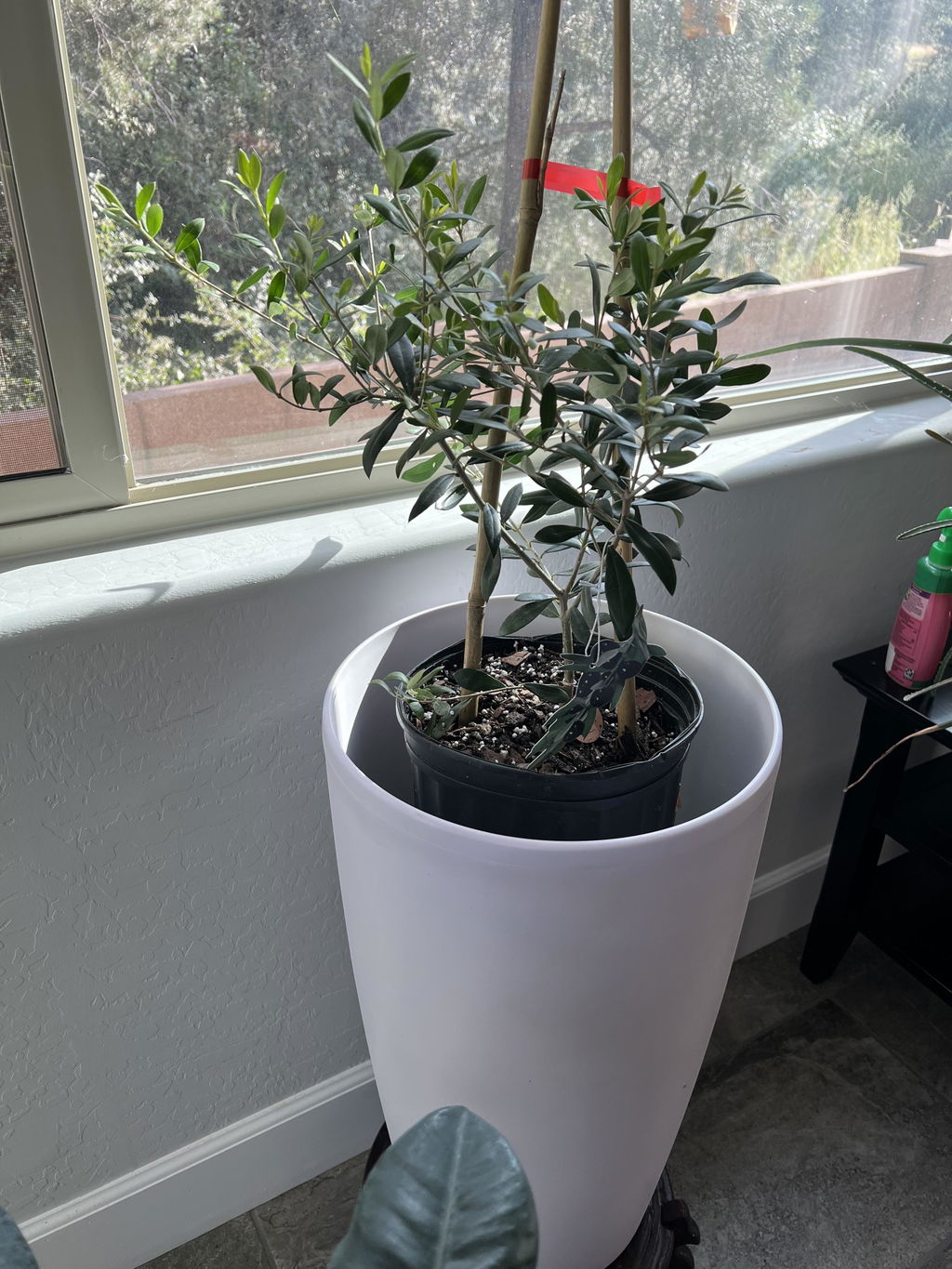
Pomegranate Plant Care Guide: Growing Healthy Trees and Bigger Harvests
- Pomegranates are beautiful, nutritious, and long-lived plants that are perfect for gardens in various climates.
- Success depends on choosing a sunny, well-drained location and consistent care.
- Understanding watering, pruning, and troubleshooting issues is vital for optimal fruit yield.
- Pomegranates are relatively pest-resistant and offer both fantastic ornamental and dietary value.
Introduction to Pomegranates
The pomegranate, with its captivating globe-shaped fruit, is more than just a treat for your taste buds. Originating from the fertile regions stretching from northeastern Turkey to Afghanistan, this deciduous shrub or small tree has become beloved in gardens across the Mediterranean and beyond. Intricately woven into mythology and culture, pomegranates symbolize abundance and prosperity.
Not only does this plant charm with its stunning blossoms and ornamental value, but it also offers an array of health benefits. Packed with antioxidants, vitamins, and minerals, the pomegranate fruit is often hailed as a superfood, making it an excellent addition to your garden.
Start growing your own pomegranate plant today and enjoy years of fresh fruit from your backyard.

Plant Characteristics
Size and Growth Habit
Most pomegranate varieties grow as large shrubs or small trees, reaching 8–20 feet tall depending on variety, climate, and pruning practices.
One remarkable feature is longevity. A healthy pomegranate plant can remain productive for decades, with some specimens living well over 100 years.

Foliage
The dark green, glossy leaves of the pomegranate plant are narrow and oblong, measuring 3 to 7 centimeters long. They create a vibrant contrast against the rich red of the fruit, and in fall, the leaves turn a beautiful yellow-gold before shedding, highlighting the season's shift.

Fruit Production
After successful pollination, flowers develop into the iconic round fruits filled with ruby-red arils.
Depending on the variety, fruit colors range from bright red to deep burgundy, and flavors vary from sweet to sweet-tart.
Looking for fruit trees that combine edible harvests and landscape beauty? Explore our complete Fruit Tree Collection.

Planting Your Pomegranate
Choosing the Right Location
Pomegranates grow best in USDA Zones 8–10, but are also successful in Zones 7 and up to 11. It thrives in full sun, benefiting from at least six hours of direct sunlight each day. Although they can tolerate partial shade, optimum flowering and fruiting will occur in a sunnier location. Before planting, it's wise to consult the USDA Plant Hardiness Zone Map to ensure your specific region supports pomegranate survival through winter.

Selecting the Right Soil
Pomegranates adapt to various soil types but prefer well-drained soil with a pH between 5.5 and 7.0. Consider conducting a soil test to tailor your soil accordingly. If you're in an area with heavy clay, consider amending it with organic matter to enhance drainage and fertility.
Planting Process
Step 1: Choose a Healthy Tree
Purchase from a reputable nursery that offers vigorous, disease-free plants.
Step 2: Dig the Planting Hole
Create a hole:
- Twice as wide as the root ball
- Equal in depth to the root ball
Step 3: Plant Correctly
Position the tree so the top of the root ball sits level with the surrounding soil.
Step 4: Water Thoroughly
Deep watering helps eliminate air pockets and encourages root establishment.
Step 5: Apply Mulch
Spread 2–3 inches of mulch around the root zone while keeping mulch several inches away from the trunk.
Ready to plant? Browse our premium Pomegranate Trees for healthy nursery-grown specimens
Watering and Soil Requirements
Pomegranates are drought-tolerant once established, but consistent moisture is key for reducing fruit drop and splitting. Here’s a guide to watering and soil care:
- Initial Watering: Water your newly planted pomegranate thoroughly. Keep the soil consistently moist for the first month.
- Ongoing Watering: As the plant matures, reduce the frequency of watering. Typically, watering every 1-2 weeks should suffice, allowing the soil to dry out between sessions. Understanding how to carefully save your plants from overwatering or underwatering is the secret to preventing the fruit from splitting as it matures.
- Soil Maintenance: Ensure your soil stays well-drained, particularly during heavy rain. Since soggy roots can spell disaster for fruit trees, ensuring you understand what constitutes well-drained soil is the first step to a healthy orchard. Aeration can also encourage healthy root growth.
Caring for Your Pomegranate Plant
A little annual maintenance goes a long way toward maximizing the performance of your pomegranate plant.
Pruning
Prune during late winter while the tree is dormant. Focus on:
- Removing dead wood
- Eliminating crossing branches
- Improving airflow
- Maintaining shape
Good pruning increases sunlight penetration and often improves fruit quality.
Fertilization
Feed your pomegranate plant in early spring as new growth begins.
A balanced fertilizer provides adequate nutrients without encouraging excessive foliage.
Avoid overfertilizing because:
- Growth becomes overly leafy
- Fruit production declines
- Pest susceptibility may increase
Mulching
Mulch offers multiple benefits:
- Conserves moisture
- Reduces weeds
- Regulates soil temperature
- Improves soil quality over time
Refresh mulch annually for best results.
Pest and Disease Management
While pomegranates are relatively pest-resistant, keep an eye out for aphids, whiteflies, and pomegranate butterflies. While pomegranates are relatively resilient, learning how to eradicate houseplant pests naturally with neem oil ensures your fruit remains entirely organic and chemical-free when aphids or whiteflies do appear.

Troubleshooting Common Issues
Even with the best care, challenges may arise. Here are some common problems you may encounter while growing pomegranates, along with solutions:
Fruit Splitting
This issue often arises from inconsistent watering or excessive rainfall. Water regularly, but do not overwater to help the plant grow and produce fruit quickly. Maintaining even soil moisture can drastically reduce the chances of fruit splitting.
Leaf Drop
If your pomegranate is dropping leaves, it may be an indicator of severe plant stress; properly diagnosing yellow leaves and drooping stems early on can help you correct underlying water or nutrient deficiencies before they impact your harvest.. Check your watering schedule and consider feeding the plant if needed.
Poor Fruit Yield
If your pomegranate plant isn’t producing fruit, ensure that it is adequately pollinated. Planting multiple pomegranate trees nearby can increase cross-pollination and improve fruit yield.
Improving Fruit Quality
To enhance the quality of your pomegranate fruits, consider these practices:
- Proper Spacing: Ensure adequate spacing between plants to allow air circulation, which promotes healthier growth.
- Consistent Watering: Provide a steady schedule to prevent stress on the plant.
- Harvesting at the Right Time: Pomegranates should be harvested when the fruit has reached a deep color and feels heavy. Harvesting too early can lead to sour fruit.

The Bountiful Reward: Culinary Uses and Health Benefits
The greatest reward of growing a pomegranate plant is enjoying fresh fruit directly from your garden.
From Garden to Table
Fresh pomegranates can be used in countless ways:
- Sprinkle arils on salads
- Add to yogurt or oatmeal
- Blend into smoothies
- Create homemade juice
- Make pomegranate molasses
- Garnish desserts and savory dishes
Homegrown fruit often delivers better flavor than store-bought alternatives because it can be harvested at peak ripeness.

A Superfood in Your Backyard
According to Harvard Health of Harvard Medical School, pomegranates contain antioxidants, fiber, vitamin C, vitamin K, and beneficial plant compounds associated with overall wellness.
Growing your own pomegranate plant means producing nutritious food right in your backyard while reducing dependence on store-bought produce.

By cultivating these trees, you aren't just growing fruit; you are growing a natural pharmacy right in your backyard.
Conclusion
A pomegranate plant offers the perfect combination of beauty, resilience, and productivity. With full sun, well-drained soil, proper watering, and occasional pruning, these remarkable trees can reward you with stunning flowers and abundant harvests for decades.
Whether you're a beginner gardener or an experienced fruit grower, pomegranates are among the easiest fruit trees to maintain while providing exceptional ornamental and culinary value.
Ready to turn that dream into reality? Bring home your own pomegranate tree from our curated collection today.
Join the GingerGlow gardening community and discover how rewarding it can be to grow your own fruit right at home.
FAQ
Pomegranate trees typically start bearing fruit within 2 to 3 years after planting, with full production reached after about 5 years.
Do pomegranate plants need a lot of water?
Pomegranates are drought-tolerant once mature but appreciate consistent moisture, especially while establishing and during fruit development.
Can I grow pomegranates in containers?
Yes! Dwarf varieties are especially well-suited for container growth. Ensure your pot has ample drainage and is at least 18 inches wide and deep. If you are short on garden space, bring home one of our compact Dwarf Pomegranate trees to enjoy fresh, vibrant fruit right on your sunny patio.
What climate is best for pomegranates?
Pomegranates flourish in warm, arid regions but can adapt to a range of climates. They are hardy in USDA zones 7–10 and can tolerate mild winter frost.
How do I know when to harvest pomegranates?
Harvest when the fruits have developed a deep, uniform color and make a metallic sound when tapped. The skin should start to lose its gloss and feel heavy for its size.