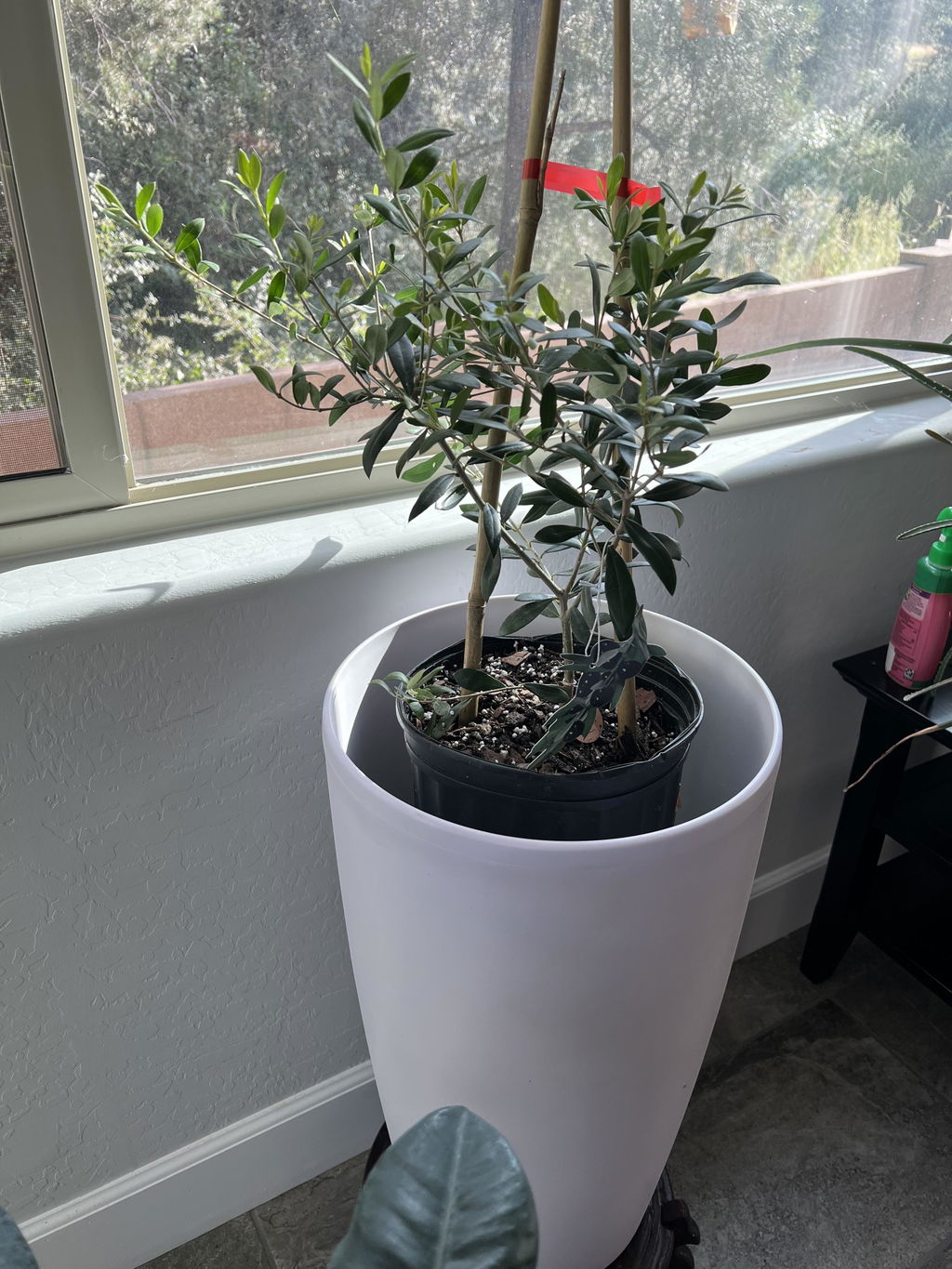
Decorating your home with greenery doesn’t have to be complicated. Succulents are one of the easiest ways to bring color, texture, and natural beauty indoors while requiring minimal maintenance. Their compact size, unique forms, and adaptability make them perfect for apartments, living rooms, workspaces, and cozy corners.
Why Succulents Are Perfect for Indoor Decoration
Succulents have earned their reputation as the ideal indoor plants for modern living, and for excellent reasons. Their ability to store water in their thick, fleshy leaves means they can survive weeks without watering - perfect for busy professionals, frequent travelers, or anyone who wants beautiful plants without constant maintenance. According to Iowa State University Extension and Outreach, succulents generally make excellent indoor plants because they require minimal care and are primarily grown for their attractive leaves, stems, and unique growth habits.
Beyond easy care, succulents are highly versatile in home decor. With diverse shapes, colors, and textures, from echeverias to jade plants, they fit well in many interior styles. They can be displayed in pots, terrariums, or windowsills and are especially suitable for small living spaces.
4 Things to Consider Before Buying Indoor Succulents

Light Requirements and Window Placement
Light is the most important factor for succulent health. Most succulents need 4–6 hours of bright, indirect light daily to stay compact and colorful. South- and west-facing windows are ideal, while east-facing windows provide gentler light. North-facing areas usually support only low-light tolerant varieties. If natural light is limited, LED grow lights are a practical alternative.
Light intensity drops quickly a few feet away from windows, so placement matters. If succulents stretch or lose shape, they are not getting enough light and should be moved closer or supplemented with artificial lighting. If you're unsure how different light levels affect plant health, see our guide on Bright Light vs. Low Light to better understand how to match plants with the right environment.
Watering Schedule and Drainage Needs
Overwatering is the most common mistake. Succulents prefer the “soak and dry” method, water thoroughly, then wait until soil is completely dry before watering again. This usually means every 1–3 weeks, and even less in winter.
Drainage is essential to prevent root rot. Always use pots with drainage holes and well-draining cactus soil. If using decorative pots, place a nursery pot inside. Avoid standard potting soil, which holds too much moisture.
If you're noticing yellow leaves or mushy stems read our The Ultimate Guide to Defeating Root Rot to learn how to protect your plants before root damage spreads.
Temperature and Humidity Tolerance
Succulents grow best in typical indoor temperatures of 60–80°F and handle dry indoor air well. However, avoid placing them near vents, heaters, or drafty windows where temperature changes can stress plants.
They prefer good airflow to reduce fungal risk. In humid rooms, ensure strong light and ventilation to keep plants healthy and prevent rot or pest issues.
Space Planning and Growth Potential
Succulents may start small but can grow significantly over time. Plan for their mature size to avoid overcrowding and ensure proper airflow and light access.
Choose plants that match your lifestyle, low-maintenance varieties for frequent travelers or sturdier types for busy spaces. Thoughtful placement helps maintain both plant health and visual balance over time.
7 Best Succulents for Indoor Decoration in 2026
1. Echeveria agavoides – The Lipstick Agave Lookalike
Echeveria agavoides is a striking rosette-forming succulent known for its pointed, triangular leaves that resemble a miniature agave. Its bright green foliage often develops red or pink tips when exposed to strong light, creating a bold contrast that makes it a standout in any succulent arrangement. This sculptural shape makes it especially popular for modern indoor displays and decorative pots.
Shop Echeveria agavoides in our indoor plant collection.

2. Jade Plant (Crassula ovata): The Prosperity Symbol
The jade plant has adorned homes for generations, valued both for its attractive appearance and its cultural symbolism of prosperity and good fortune. With its thick, woody stems and glossy, coin-shaped leaves, this South African native develops into a miniature tree form over time, adding architectural interest to your indoor garden. Mature specimens can live for decades, becoming treasured family heirlooms passed down through generations.
3. Aloe Vera: Beauty and Function Combined
Aloe vera deserves a spot in every home for its dual purpose as both a decorative plant and a practical first-aid remedy. The gel inside its thick, succulent leaves has been used for centuries to soothe minor burns, skin irritations, and sunburn. Beyond its medicinal properties, aloe vera's architectural form, with its upright, spiky leaves radiating from a central point, adds bold visual interest to modern and bohemian interiors alike.
Get aloe vera plants for your indoor spaces

4. Lithops: The Living Stone Succulent
Lithops, often called “living stones,” are one of the most unique succulents you can grow indoors. Their appearance closely resembles small pebbles or stones, helping them blend naturally into decorative arrangements while surprising viewers with their unusual form. Each plant consists of a pair of thick, fleshy leaves that store water and mimic natural rock textures.
Discover Lithops in our succulent selection.

5. Kalanchoe pinnata
Kalanchoe pinnata is a unique succulent known for its thick, fleshy green leaves that often develop tiny plantlets along the edges. These “baby plants” can drop and grow into new individuals, making it one of the most fascinating and easy-to-propagate succulents. Its upright growth habit and lush green foliage give it a more tropical, plant-like appearance compared to typical desert succulents.

6. Christmas Cactus (Schlumbergera): The Seasonal Bloomer

Though its name suggests otherwise, the Christmas cactus is actually a succulent from Brazilian rainforests rather than a true desert cactus. Its flattened, segmented stems create a cascading form perfect for hanging baskets or elevated planters. What truly sets this plant apart is its spectacular winter blooming period, when tubular flowers in shades of pink, red, white, or orange appear at the stem tips, bringing vibrant color to your home during the darkest months of the year.
Get Christmas cactus for seasonal blooms.
7. Hoya kerrii: The Heart-Leaf Succulent Vine
Hoya kerrii, commonly known as the “sweetheart plant,” is famous for its thick, heart-shaped leaves that make it a popular gift plant and decorative indoor accent. It can be grown as a single-leaf potted plant or as a trailing vine when mature, adding flexibility to different interior styling needs.
Shop Hoya kerrii for a unique indoor plant gift.

Final Thoughts
Succulents are a simple yet powerful way to refresh your indoor space in 2026, bringing natural beauty, texture, and calm into any room with minimal care required. Whether you're just starting with a small desk plant or building a full indoor collection, these versatile plants make it easy to create a greener, more inspiring home.
Explore Gingerglow’s curated succulent collection and find healthy, ready-to-grow plants for your space. Start your indoor garden today and bring lasting natural beauty into your home.
Frequently Asked Questions
How often should I water my indoor succulents?
Most indoor succulents need watering only when their soil is completely dry, typically every 1-3 weeks depending on your home's temperature, humidity, and light conditions. The "soak and dry" method works best: water thoroughly until liquid drains from the pot's bottom, then wait until the soil is completely dry before watering again. In winter when growth slows, reduce watering frequency. Always err on the side of underwatering rather than overwatering, as succulents tolerate drought far better than excess moisture.
Can succulents survive in low-light rooms?
While most succulents prefer bright, indirect light, some varieties tolerate lower light conditions better than others. Snake plants, haworthias, and certain aloe varieties adapt to medium-light situations, though their growth may slow and colors may be less vibrant. If your space lacks natural light, consider supplementing with a grow light—modern LED options provide full-spectrum light while remaining energy-efficient and stylish. Rotate plants regularly to ensure even growth, and watch for signs of light stress like stretching or fading colors.
For more guidance on choosing the right succulents, see our article on Top Questions Beginners Ask About Indoor Gardening.
How do I propagate succulents to grow my collection?
Most succulents propagate easily through leaf or stem cuttings, making it simple and cost-effective to expand your collection. For leaf propagation, gently twist a healthy leaf from the stem, let it dry for 2-3 days to callus over, then place it on dry succulent soil. Mist lightly every few days until roots and new rosettes form. For stem cuttings, use clean scissors to cut a healthy stem, allow it to dry for several days, then plant in well-draining soil. Many varieties also produce offsets or "pups" that you can separate and pot individually once they develop their own root systems.
Are succulents safe for homes with pets and children?
Many popular succulent varieties are non-toxic to pets and children, including echeveria, sempervivum, and haworthia. However, some species can cause mild digestive upset if ingested, including jade plants and certain euphorbias. While serious toxicity is rare, it's wise to keep all plants out of reach of curious pets and small children, or choose only verified pet-safe varieties if household members are likely to nibble. Always research specific species before bringing them home, and contact your veterinarian or poison control if you suspect ingestion has occurred.
What's the best soil mix for indoor succulents?
Indoor succulents require well-draining soil that prevents water from pooling around roots. Use commercial cactus or succulent potting mix, or create your own by mixing regular potting soil with coarse sand and perlite in roughly equal proportions. The goal is a gritty texture that allows water to flow through quickly while providing enough organic matter to support healthy growth. Avoid dense, moisture-retaining potting soils designed for tropical houseplants, as these hold too much water for succulent roots and increase the risk of rot.