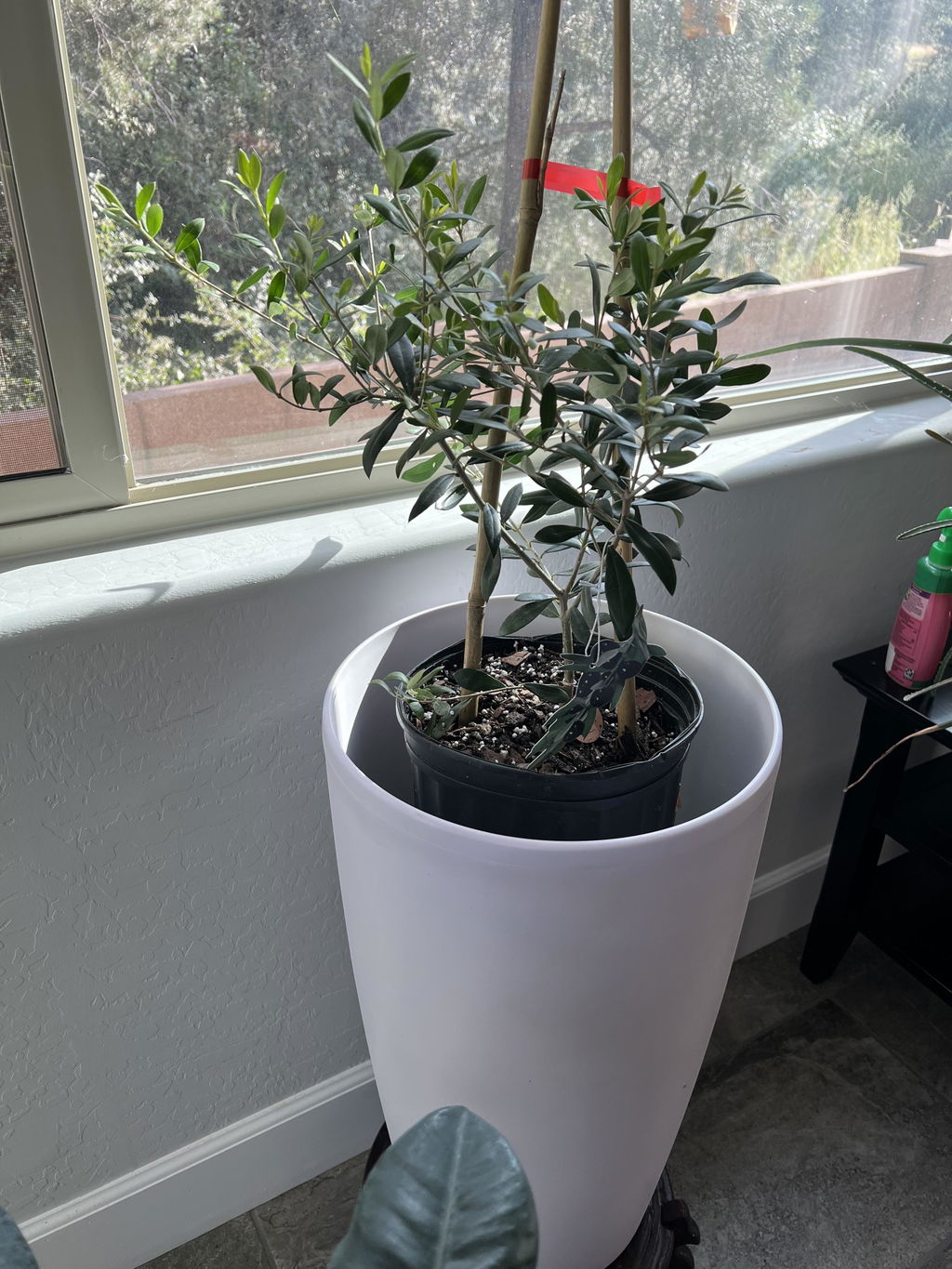
Growing healthy succulents at home doesn't require a green thumb or years of gardening experience. These resilient plants have adapted to survive in harsh desert climates, making them some of the most forgiving houseplants available today. Whether you're decorating a sunny windowsill or creating a living centerpiece for your dining table, understanding the basics of succulent care will help you cultivate a thriving indoor garden that brings natural beauty to your space year-round.
Why Succulents Are Easy to Care For

Low Maintenance and Highly Adaptable
Most Succulents thrive in bright, indirect light, typically found near south or west-facing windows. They can tolerate common indoor temperatures and do not require high humidity levels, making them suitable for almost any home environment. Research from Iowa State University Extension also highlights succulents as one of the most reliable low-maintenance indoor plant groups.
Wide Variety of Shapes and Styles
One of the biggest appeals of succulents is their diversity. From compact rosettes like Echeveria to trailing varieties like String of Pearls, succulents offer endless design possibilities. Their different colors, textures, and growth patterns allow you to create visually rich indoor arrangements that suit any aesthetic style - from minimalist to bohemian.
Easy Propagation and Expansion
Succulents are also extremely easy to propagate. Many types grow new plants from leaves, stems, or offsets, allowing you to expand your collection effortlessly. After a short callusing period, cuttings can be placed on well-draining soil and will gradually develop roots, forming new independent plants within weeks, making succulents both rewarding and cost-effective to grow.
How to Grow Healthy Succulents

Choosing the Right Container and Soil
Healthy Succulents start with the right container and soil. Always choose pots with drainage holes to prevent excess moisture, which is one of the most common causes of root rot. Terra cotta and ceramic pots work especially well because they allow moisture to evaporate more easily and create drier growing conditions.
Use a well-draining cactus or succulent soil mix instead of regular potting soil. Succulent soil should feel loose and gritty rather than dense. You can also improve drainage by mixing potting soil with perlite, pumice, or coarse sand to create conditions that support stronger root growth.
Mastering the Watering Schedule
Watering is the most important part of succulent care—and less is usually better than more. Use the “soak and dry” method: water thoroughly until excess drains out, then wait until the soil becomes completely dry before watering again. Most succulents need less water in winter than during active growing seasons.
Watch for signs such as slightly wrinkled leaves or completely dry soil before watering. Overwatering causes far more problems than underwatering. For more plant recommendations, explore our guide on 10 Best Succulents for Indoor Decoration in 2026.
Providing Adequate Light Conditions
Most succulents grow best in bright, indirect sunlight. South- or west-facing windows usually provide ideal lighting, while too little light can cause stretched stems and weak growth.
Many varieties develop stronger colors under proper lighting conditions. Introduce brighter light gradually to avoid sunburn, and consider using grow lights during darker seasons. If you're unsure whether your plants receive enough sunlight, read 5 Warning Signs Your Indoor Plants Are Starving for Sunlight and How to Fix It.
Temperature and Environmental Factors
Succulents generally thrive in temperatures between 60–80°F and prefer stable indoor conditions without sudden temperature changes. Keep plants away from heating vents, cold drafts, and overly humid areas.
Unlike tropical plants, succulents prefer lower humidity and good airflow. Avoid misting leaves, as excess moisture can encourage fungal issues and rot.
Succulents Common Problems and How to Fix Them

Identifying and Treating Overwatering
Overwatering is the most common reason succulents decline. Early signs include yellow or translucent leaves, soft stems, black spots, and soil that stays wet for long periods. If detected early, stop watering immediately, remove the plant from damp soil, trim damaged roots, and repot into fresh, well-draining succulent mix. Wait several days before watering again.
To prevent future problems, always check soil moisture instead of watering on a fixed schedule. Succulents tolerate dry conditions much better than excess moisture. Using pots with drainage holes and fast-draining soil greatly reduces the risk of root rot.
Addressing Pest Infestations
Overwatering is the most common reason succulents decline. Early signs include yellow or translucent leaves, soft stems, black spots, and soil that stays wet for long periods. If detected early, stop watering immediately, remove the plant from damp soil, trim damaged roots, and repot into fresh, well-draining succulent mix. Wait several days before watering again.
To prevent future problems, always check soil moisture instead of watering on a fixed schedule. Succulents tolerate dry conditions much better than excess moisture. Using pots with drainage holes and fast-draining soil greatly reduces the risk of root rot.
Solving Etiolation and Leggy Growth
Etiolation happens when succulents do not receive enough light, causing stretched stems and widely spaced leaves. While existing stretched growth will not return to normal, improved lighting helps future growth stay compact and healthy. Move plants gradually to brighter areas or use grow lights if natural light is limited.
Most succulents grow best with at least 4–6 hours of bright light daily. Rotate pots occasionally to encourage balanced growth and prevent leaning. Pruned healthy stems can often be propagated to create new compact plants.
Final Thoughts
Succulents are one of the easiest ways to bring natural beauty into your home. With the right balance of light, well-draining soil, and careful watering, they stay healthy with minimal effort while adding strong visual impact to any space.
As you gain experience, you’ll quickly learn to read your plants and adjust care based on their condition. Start simple, stay consistent, and your succulent collection will thrive and grow over time.
Ready to start your collection? Explore our succulent range and choose the perfect plants for your home today.
FAQ
How often should I water my indoor succulents?
Water your succulents thoroughly when the soil has completely dried out, which typically occurs every 2-3 weeks during spring and summer growing seasons. In winter, reduce watering frequency to once monthly or less as plants enter dormancy. Always check soil dryness by inserting your finger an inch deep - if it feels moist, wait several more days before watering. The "soak and dry" method works best, ensuring water drains completely from the pot after each watering session.
What type of soil do succulents need to grow properly?
Succulents require fast-draining soil that prevents water from pooling around roots. Use commercial cactus and succulent mix, or create your own by combining equal parts regular potting soil with coarse sand, perlite, or pumice. The mixture should feel gritty and loose rather than dense, allowing water to flow through quickly while providing enough structure to support roots. Avoid standard potting soil alone, as it retains too much moisture and increases the risk of root rot.
Can succulents survive in low light conditions?
While some succulent varieties tolerate lower light better than others, most species need at least 4-6 hours of bright, indirect light daily to maintain healthy, compact growth. Insufficient light causes etiolation, stretched stems with widely spaced leaves reaching toward light sources. If natural light is limited in your space, position plants near the brightest available windows or supplement with full-spectrum grow lights placed 6-12 inches above your plants to ensure adequate illumination year-round.
Why are my succulent leaves turning yellow and falling off?
Yellow, dropping leaves typically indicate overwatering, the most common problem in succulent care. When roots sit in consistently moist soil, they cannot absorb oxygen and begin to rot, causing leaves to yellow, become translucent, and eventually fall off. Stop watering immediately, allow the soil to dry completely, and assess the roots. Remove any black or mushy roots, repot in fresh dry soil, and adjust your watering schedule to allow full soil drying between waterings.
For a more detailed troubleshooting guide, see Yellow Leaves and Drooping Stems - Save Your Dying Plant Today! to learn how to identify and fix similar plant stress issues early.
How do I propagate succulents from leaves or cuttings?
Propagating succulents is simple and rewarding. For leaf propagation, gently twist a healthy leaf from the stem ensuring the entire base detaches, then place it on dry cactus soil and wait for roots and baby plants to develop over 2-4 weeks. For stem cuttings, use clean scissors to cut a section, allow the cut end to callus for 2-3 days, then place it on or slightly into well-draining soil. Mist lightly once roots appear, then gradually transition to normal watering as the new plant establishes.