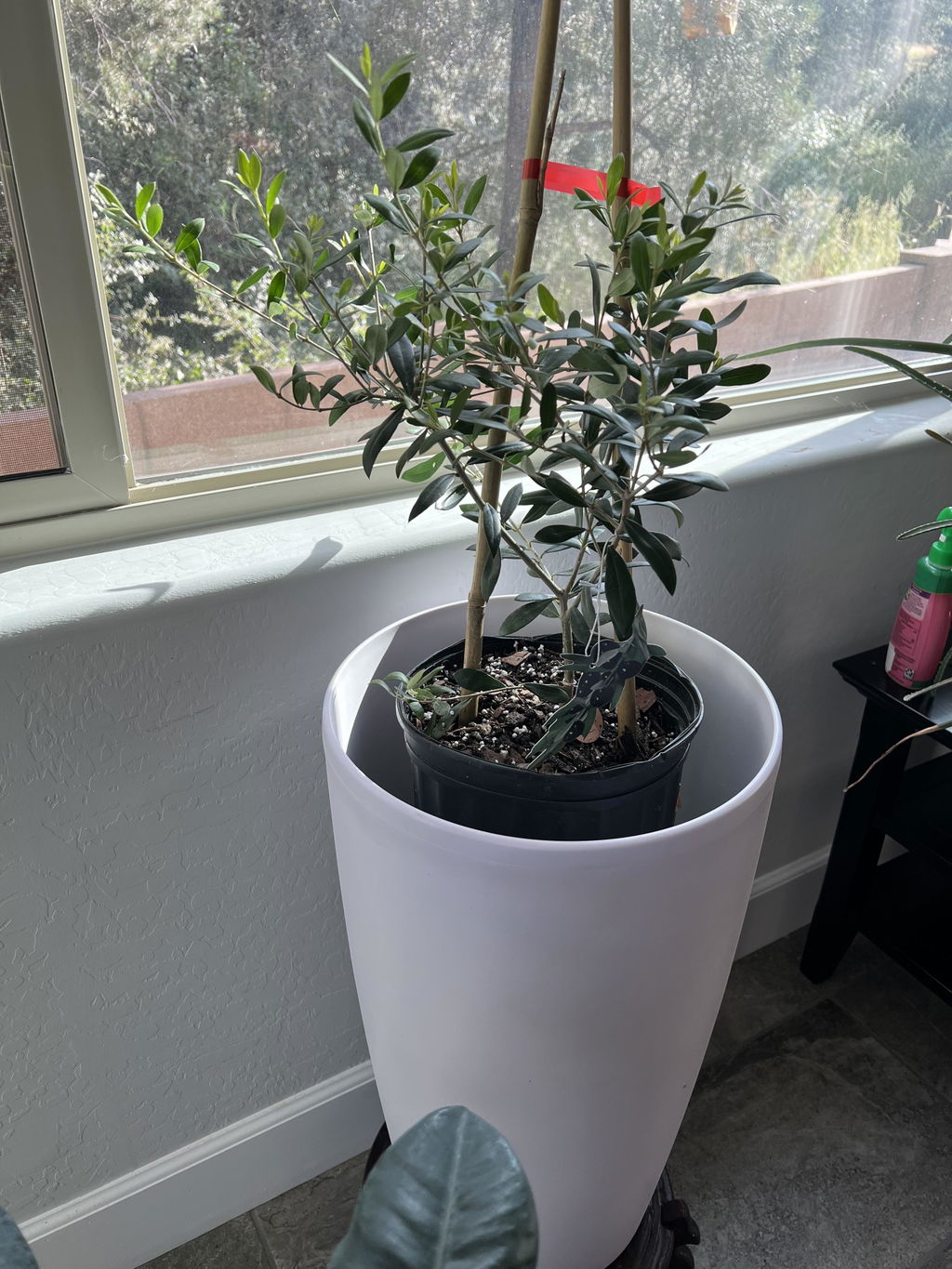
- The right soil mix is vital for drainage, aeration, and nutrient supply for lemon and orange trees in containers.
- Use professional formulas like the 5-1-1 mix or a 50/50 potting soil-perlite blend* for best results.
- Avoid garden soil, excessive compost, and gravel layers in pots.
- Maintain a slightly acidic pH and fertilize regularly.
Understanding Citrus Tree Needs
Citrus trees, especially lemons and oranges, are particular about their environment, particularly their soil. These trees thrive in well-draining, lightweight mixes. Think of soil as the foundation of your garden’s architecture; just as a sturdy home relies on a solid foundation, your citrus trees depend on quality soil for their growth.
Key Characteristics of Ideal Soil for Citrus:
- Well-Draining: Prevents waterlogging, which can lead to root rot.
- Aeration: Allows roots to breathe and absorb oxygen.
- Nutrient-Rich: Supplies essential nutrients for robust growth.
- Lightweight: Ensures easy handling and optimal root expansion.

Choosing the Right Container for Citrus Tree
1. The Golden Rule: Drainage
Before looking at aesthetics, check the bottom of container. Does it have holes? Citrus trees roots hate standing water. Without adequate escape routes for excess liquid, you create a bathtub effect that inevitably leads to deadly root rot.

2. Material Matters: Clay vs. Plastic
- Terra Cotta (Unsealed Clay): These porous pots allow air and moisture to move through the walls. They are excellent for citrus tree because they help the soil breathe ("wicking" away excess moisture). However, they dry out faster, meaning you will need to water more frequently.
- Plastic or Glazed Ceramic: These retain moisture well and are lightweight. They are great if you tend to forget watering, but they require a very airy soil mix (like the 5-1-1 mentioned above) to prevent stagnation.

3. Size and Color Considerations
Don't Over-Pot: It is tempting to buy a huge pot for a small tree, but this leaves too much damp soil surrounding the small root ball, causing suffocation. Pot up gradually, moving to a container only 2-3 inches wider than the current one.
Watch the Heat: Since citrus trees love full sun, dark-colored black pots can absorb immense heat, baking the tender roots. In hot climates, opt for lighter colors or provide shade for the pot itself to avoid heat stress and root damage.
Key Citrus Soil Mix Components
 1. Pine Bark Fines (The Structural Backbone)
This is the secret ingredient in professional soil mixes. Unlike peat-based soils that collapse over time, partially composted pine bark fines (ideally 1/4" to 3/8" in size) maintain their structure for years. They create large air pockets that allow roots to breathe, ensuring you achieve optimal soil drainage and aeration without sacrificing stability.
2. Perlite (The Drainage Booster)
Often mistaken for Styrofoam, Perlite is actually volcanic glass popped like popcorn. It is sterile, lightweight, and essential for preventing compaction. While vermiculite holds water, Perlite sheds it, making it the superior choice for citrus trees that are prone to "wet feet." Using coarse perlite helps you avoid the common pitfalls of accidental overwatering.
3. Peat Moss or Coco Coir (The Moisture Reservoir)
These materials act as sponges within the soil mix, holding onto water and nutrients so they don't wash away immediately.
- Peat Moss: Acidic (great for citrus tree) but can become hydrophobic if let dry out completely.
- Coco Coir: A sustainable alternative made from coconut husks. It is easier to re-wet and has a neutral pH.
Note: If using Peat Moss, remember that its high acidity may require balancing (see Dolomite Lime below).
4. Coarse Horticultural Sand
If you choose to add sand to your soil mix, precision is key. You must use coarse horticultural sand or builder’s sand. Never use fine "play sand" or beach sand; their tiny particles fill the air gaps in your mix, turning your pot into concrete and suffocating the roots.
5. Dolomite Lime (The pH Balancer)
Since pine bark and peat moss are naturally acidic components of many citrus soil mix recipes, the pH can sometimes drop too low. Adding garden lime (dolomite) serves a dual purpose: it raises the pH to the sweet spot (6.0–7.0) and provides essential Calcium and Magnesium that citrus trees crave.
6. Controlled-Release Fertilizer (The Fuel)
Most homemade soil mixes are sterile, meaning they have no natural nutrients. You must provide the fuel. Mixing a high-quality, slow-release citrus fertilizer directly into the soil ensures a steady supply of Nitrogen, Phosphorus, and micronutrients for the first few months of growth.
Recommended Citrus Soil Mix Formulas

Feeling ready to mix your own batch? Here are two highly regarded recipes:
The 5-1-1 Mix
- 5 Parts Composted Bark (1/2” pieces)
- 1 Part Perlite
- 1 Part Potting Soil
This combination is celebrated for its slow breakdown, excellent drainage, and the encouragement of healthy root systems.
Alternative Basic Mix
For those looking for an easier DIY option, consider a simple mixture of:
- 50% Quality Potting Soil
- 50% Perlite
This option still retains adequate drainage properties while being convenient for beginners.
What to Avoid
To set your citrus trees up for success, avoid these common pitfalls:
- Garden Soil: This is often too dense and doesn’t provide the necessary drainage for container planting.
- All Organic Matter (Compost): While beneficial in some contexts, compost decomposes quickly and tends to compact, which is not ideal for citrus tree roots.
- Bottom Gravel Layers: Contrary to popular belief, adding materials like gravel at the pot's bottom impedes proper drainage over time.
- Soil with Wetting Agents: These can hold too much moisture, keeping roots wet and potentially leading to rot.
Practical Tips for Maintaining Your Citrus Tree
Watering Wisely
Watering is key to maintaining optimal moisture levels. It's advisable to let the top inch of soil dry out before watering again, preventing root rot from overwatering.
Fertilization
Citrus trees are heavy feeders, particularly during their growing season. Use a balanced, slow-release fertilizer specifically formulated for citrus trees.
Monitor for Pests
Keep an eye out for pests that may be attracted to your citrus trees. Regularly check the leaves and soil for any signs of infestation and treat promptly.

Let's Grow Together!
Don't let this knowledge sit idle. Whether you need a vigorous lemon or orange sapling to start your collection, Gingerglow is ready to fuel your gardening passion.
The perfect time to plant is now. Let’s turn your patio into a productive paradise together!
FAQ
What is the best soil mix ratio for lemon and orange trees in containers?
The most recommended mix is the 5-1-1 formula: five parts composted bark, one part perlite, and one part potting soil. Alternatively, a 50/50 blend of high-quality potting soil and perlite is a practical beginner option.
Can I use regular garden soil in my citrus containers?
No, garden soil is too dense and tends to retain water, raising the risk of root rot and stunted growth. Always choose specially blended potting mixes for citrus tree in containers.
How often should I repot or refresh the soil mix?
Plan to refresh or repot every 2–3 years. Over time, the soil breaks down and loses its airy structure, affecting drainage and root health.
Should I add gravel or rocks to the bottom of my citrus pots?
No. Contrary to myth, adding gravel layers can actually reduce effective drainage. Opt instead for a well-draining soil mix from top to bottom.