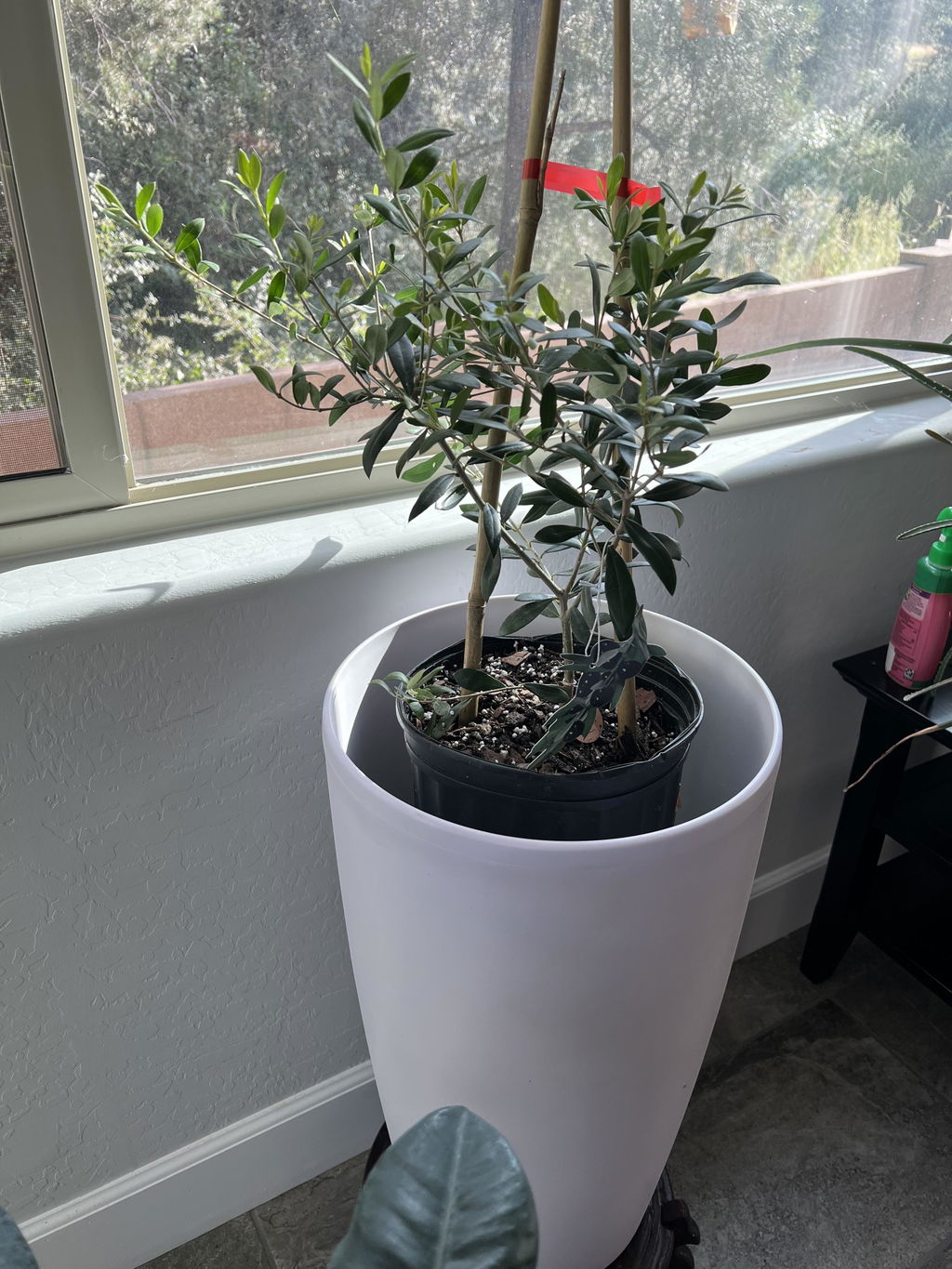
As summer temperatures climb year after year, gardeners face an increasingly urgent challenge: how to protect plants from summer heat before it's too late. Scorching sun, prolonged dry spells, and heat waves can quickly turn a thriving garden into a struggling landscape of wilted leaves and stressed stems. The good news? With the right strategies and a proactive approach, you can shield your green companions from extreme temperatures and keep them flourishing all season long. Whether you're nurturing delicate annuals or established perennials, understanding heat stress and implementing protective measures will make all the difference in your garden's summer success.
How Summer Heat Affects Plants
Increased Water Loss and Heat Stress
When temperatures soar above 85°F (29°C), plants experience physiological stress that disrupts normal growth. One of the earliest effects is accelerated transpiration, the process where plants release moisture through their leaves. During heat waves, water loss increases rapidly, and roots often cannot absorb moisture fast enough to keep up, resulting in drooping and wilted foliage.
Reduced Photosynthesis and Plant Performance
Beyond visible wilting, prolonged heat reduces a plant’s ability to function efficiently. Photosynthesis begins to slow when leaf temperatures exceed 95°F (35°C), meaning plants produce less energy for growth, flowering, and fruit production. In severe cases, heat can damage plant cells directly, causing leaf scorch, sunburned fruit, and premature leaf drop.
Why Some Plants Handle Heat Better Than Others
Not all plants respond to heat the same way. Heat-sensitive varieties such as lettuce, spinach, and pansies may stop growing or bolt during extended hot weather. Meanwhile, heat-adapted plants - including succulents and many prairie natives have evolved features that help conserve moisture and tolerate extreme temperatures.
Container plants face additional challenges because potting soil heats up much faster than garden soil. Root temperatures above 100°F (38°C) can damage roots and reduce nutrient uptake even after temperatures return to normal.
How to Protect Plants from Summer Heat

Water Plants the Right Way During Hot Weather
Water Early in the Morning: The best time to water plants during summer is early morning, ideally between 5 AM and 9 AM. Cooler temperatures allow water to soak deeply into the soil before it evaporates, helping plants build moisture reserves for the hottest part of the day. Morning watering also reduces the risk of fungal diseases by giving foliage time to dry.
Water Deeply, Not Frequently: Deep watering encourages roots to grow downward into cooler soil where moisture lasts longer. Most established garden plants need about 1–1.5 inches of water per week, applied in one or two thorough watering sessions rather than daily light sprinkling. Whenever possible, water at the base of the plant using drip irrigation, soaker hoses, or a watering can to reduce evaporation and leaf damage.
Not sure if your plants need more water or less? Read our guide on recognizing the signs of overwatered and underwatered plants to keep your garden healthy all summer long.
Mulch to Keep Soil Cool and Moist
A 3–4 inch layer of organic mulch helps regulate soil temperature and reduce moisture loss during hot weather. Materials such as bark, wood chips, straw, or compost create a protective barrier that keeps roots cooler and reduces the need for frequent watering.
Mulch also improves soil quality over time as it breaks down, adding organic matter and supporting healthy root growth. Apply mulch around plants while keeping it a few inches away from stems and trunks to prevent rot and pest issues.
Provide Shade During Heat Waves
When temperatures remain above 95°F (35°C) for several days, temporary shade can help prevent heat stress. Shade cloth, patio umbrellas, or lightweight garden fabric can reduce sun intensity during the hottest afternoon hours while still allowing enough light for photosynthesis.
Vegetables, newly planted flowers, and container plants often benefit the most from afternoon shade. Providing protection during extreme heat can reduce wilting, flower drop, and sunburn damage.
Protect Container Plants from Overheating
Container plants are especially vulnerable because potting soil heats up much faster than garden soil. To reduce heat stress, place containers where they receive morning sun and afternoon shade whenever possible.
Choose light-colored pots that reflect heat rather than absorb it, and group containers together to create a cooler microclimate. During heat waves, potted plants may require daily watering since soil dries out much faster than in-ground beds. Regularly check soil moisture and water thoroughly when the top few inches become dry.
Improve Soil Health to Increase Heat Resistance
Healthy soil helps plants tolerate summer heat more effectively by holding moisture while still providing good drainage. Adding 2–4 inches of compost each season improves soil structure, supports root development, and increases water retention.
Avoid compacted soil, which limits root growth and reduces water infiltration. Maintaining mulch, minimizing soil disturbance, and regularly adding organic matter help create a healthier growing environment that supports plants during periods of extreme heat.
Just as gardeners prepare plants for winter cold, improving soil health before summer arrives is one of the most effective ways to protect plants from heat stress and drought. For cold-weather protection strategies, see "Protect Your Garden from Frost: Essential Tips Every Gardener Must Know.
Final Thoughts
Summer heat can put significant stress on garden plants, but a few proactive steps can make a big difference. Water deeply, apply mulch, provide temporary shade during heat waves, and maintain healthy soil to help plants stay strong throughout the season.
Whether you're growing flowers, vegetables, succulents, or landscape plants, consistent care will help reduce heat damage and keep your garden thriving all summer long. For more seasonal growing advice, check out our Complete Seasonal Plant Care Checklist for Beginners.
Frequently Asked Questions
Can plants recover from heat stress?
Yes. Many plants can recover if heat stress is addressed quickly. Provide deep watering, temporary shade, and remove severely damaged leaves. Recovery may take anywhere from several days to a few weeks depending on the plant type and severity of the damage.
Should I water plants every day during summer?
Not always. Established plants generally prefer deep watering 2–3 times per week rather than daily shallow watering. However, container plants and newly planted specimens may need watering more frequently during extreme heat.
Is afternoon shade beneficial for garden plants?
Yes. Afternoon shade helps reduce water loss and prevents leaf scorch during the hottest part of the day. Even many full-sun plants benefit from some protection when temperatures regularly exceed 90°F (32°C).
How do I protect potted plants during a heat wave?
Move containers to a location with morning sun and afternoon shade if possible. Group pots together, water consistently, and use light-colored or insulated containers to keep root temperatures lower.
What are the best heat-tolerant plants for beginners?
Some easy, heat-resistant choices include Lantana, Aloe Vera, Prickly Pear Cactus,... These plants thrive in hot conditions and require relatively little maintenance once established. If you're looking for more beginner-friendly options, explore our guide to the 7 Best Heat-Tolerant Plants for Summer Gardens (2026 Guide) for additional recommendations and growing tips.