Your Guide to Growing the Lychee Tree: Cultivating Nature's Sweetest Treasure
Key Takeaways
- The Lychee Tree is prized for its consistent yield and luscious, sweet-tart fruit.
- Thrive in well-draining, slightly acidic soil and full sunlight.
- Requires regular watering, balanced fertilization, and occasional pruning for maximum health.
- Best cultivated in USDA zones 10-11, where frost is minimal.
- Fruits are ready to harvest from mid-May to late-June for a bountiful, tasty reward.
Table of Contents
- Understanding the Lychee Tree
- Essential Steps to Grow a Healthy Lychee Tree
- How to Care for a Lychee Tree
- When and How to Harvest Lychee
- FAQ
Understanding the Lychee Tree
The Lychee Tree is cherished for its medium to large-sized fruit, weighing between 15-25 grams, boasting a juicy, white pulp inside. When perfectly ripe, these fruits offer a harmonious combination of sweetness and a tantalizing hint of acidity that adds depth to their flavor. Imagine biting into a fresh lychee, its fragrant aroma swirling around you while you savor the taste, pure bliss!
One of the standout features of the Lychee is its impressive reliability in fruit production. With proper care, you can expect a bountiful harvest every 1-2 years, making it a wonderful investment for homeowners seeking a consistent yield. This early-season fruit is typically ready for harvest from mid-May to late-June, allowing you to enjoy its goodness just in time for summer!
Bring the taste of the tropics home - order a quality Lychee Tree today.

Essential Steps to Grow a Healthy Lychee Tree
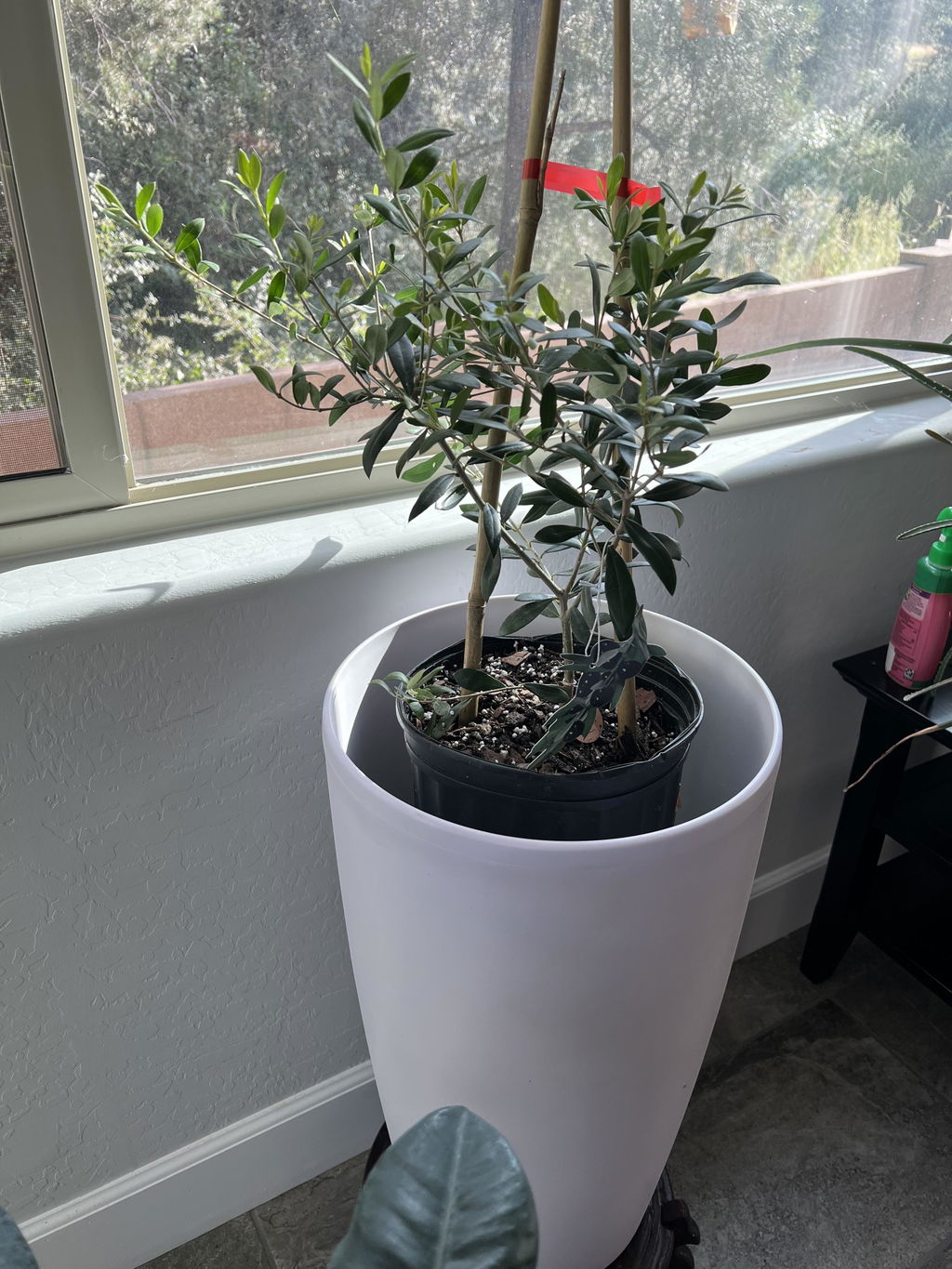
5 Steps to Grow a Lychee Tree in a Pot
1 – Choose the Right Lychee Variety and Container
- Select compact varieties such as 'Mauritius' or 'Brewster'
- Use a container at least 24–30 inches wide
- Ensure multiple drainage holes to prevent root rot
2 – Prepare a Well-Draining Potting Mix
- Use a blend of potting soil, perlite, and compost
- Maintain a soil pH between 5.5 and 6.5
- Avoid using heavy garden soil
3 – Plant the Tree Properly
- Position the root crown at soil level
- Backfill gently without compacting the soil
- Water thoroughly after planting
4 – Provide Consistent Water and Sunlight
- Keep the soil evenly moist
- Allow the top 1–2 inches to dry slightly between watering
- Place the container where it receives 6–8 hours of direct sunlight
5 – Repot as the Tree Grows
- Check for roots circling the pot or emerging from drainage holes
- Repot every 2–3 years
- Move to a container 4–6 inches larger each time
5 Steps to Grow a Healthy Lychee Tree in the Garden
1 – Select the Ideal Planting Site
- Choose a location with full sun
- Provide protection from strong winds
- Allow 25–30 feet of space for mature growth
2 – Test and Improve the Soil
- Check soil pH (ideal range 5.5–6.5)
- Improve drainage if needed
- Incorporate organic matter before planting
3 – Dig and Plant Correctly
- Dig a hole 2–3 times wider than the root ball
- Keep the root crown at or slightly above ground level
- Backfill and create a watering basin
4 – Mulch Around the Base
- Apply a 3–4 inch layer of organic mulch
- Keep mulch several inches away from the trunk
- Help conserve moisture and suppress weeds
5 – Establish a Deep Watering Routine
- Water thoroughly immediately after planting
- Keep soil consistently moist during the first year
- Transition to deep, less frequent watering as the tree matures

How to Care for a Lychee Tree
Watering and Moisture Management
Consistent moisture is key for the Mauritus Lychee tree, especially during the fruiting phase. Water the tree regularly, ensuring the soil remains moist but not waterlogged. Deep watering is preferred, so allow the top layer of soil to dry out before watering again. An irrigation system can be beneficial, especially during dry spells.
Fertilization
Nourishing your tree with the right nutrients will promote robust growth and productive yielding. Feed your Lychee with a balanced fertilizer every 6-8 weeks during the growing season. A fertilizer rich in potassium can enhance fruit quality and flavor. For more on fertilizing lychee trees, see this University of Florida IFAS guide.
Pest and Disease Management
While the Lychee is quite resilient, it is susceptible to certain pests and diseases, such as anthracnose. To combat this, ensure that your tree is planted in an area with good air circulation and away from overly humid conditions. Regular inspections for pests, along with organic pest control methods such as applying natural neem oil solutions, will help maintain your tree’s health without harming beneficial insects.
Winter Care
If you live in an area prone to frost, your Lychee may require some winter protection. Consider wrapping the trunk with burlap or using frost cloth during particularly cold spells. This will safeguard your tree from chilly winds and keep it cozy. Since even a brief freeze can damage young trees, having a plan for protecting your garden from frost is essential for growers in borderline climate zones.
When and How to Harvest Lychees
Determining Ripeness
Color provides the first clue, fruit transitions from green to pink, then deepens to a rosy-red or crimson depending on variety. The most reliable test combines color with firmness and taste. Ripe lychees yield slightly to gentle pressure while maintaining overall firmness; overly soft fruit has passed prime eating quality.
Related topic: How to Know Exactly When Your Fruit is Ripe and Ready to Pick
Harvesting Tips
When harvesting lychees, gently twist the fruit off the branch. Ensure you do so carefully; bruising can diminish the quality. Allow the fruits to ripen on the tree for the ultimate flavor, soaking in the natural sunlight and nutrients available.

Ready to start your gardening adventure? Explore our collection for the best Lychee saplings and expert gardening resources!
FAQ
-
How long does it take for a Lychee tree to bear fruit?
Typically, a Lychee tree begins fruiting within 3-5 years of planting if cared for properly. Once established, it yields fruit reliably every 1–2 years.
-
What are the main pests and diseases affecting the Lychee?
The most common concerns are anthracnose, mites, and fruit flies. Maintaining good air circulation and monitoring for symptoms will help prevent infestations and keep your tree healthy.
-
Do Lychee trees need to be pruned every year?
Yes, annual pruning encourages better light penetration, optimizes fruit set, and keeps the tree manageable in size, resulting in healthier growth overall.
-
Can I grow a Lychee tree in a container?
While challenging due to the tree's potential size, young Lychee trees can be started in large containers. As the tree matures, transplantation into the ground is usually necessary for optimal growth and fruiting.