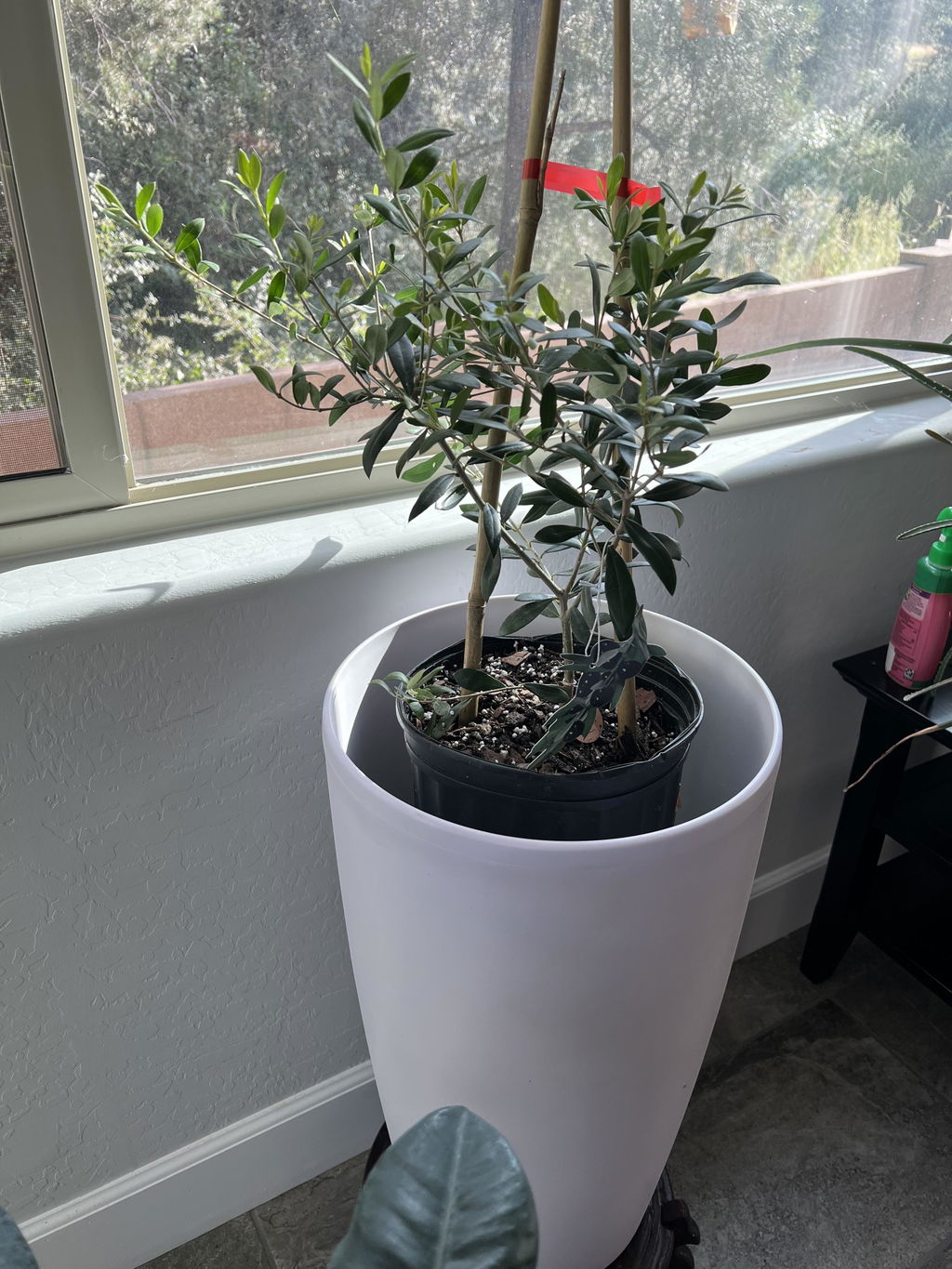
As the vibrant greens of summer fade and cooler air settles in, your houseplants begin a natural transition that mirrors the seasonal shift outdoors. Many indoor gardeners overlook the fact that even plants living inside experience changes in light, temperature, and humidity during fall. Without adjusting your care routine, you may notice yellowing leaves, stunted growth, or pest issues as winter approaches. This guide will walk you through exactly how to prepare houseplants for cooler weather, ensuring they remain healthy and vibrant throughout the dormant season.
Why Fall Changes Houseplants Care
Less Light Means Slower Growth
As daylight hours shorten in fall, houseplants receive less light and naturally begin slowing their growth. Lower light reduces photosynthesis, causing plants to focus on maintaining existing leaves instead of producing new growth. You may notice fewer new vines on fast growers like pothos and philodendron, while flowering plants temporarily stop blooming. This seasonal slowdown is normal and helps plants conserve energy through cooler months.
Sun angles also shift in fall, meaning spots that worked in summer may no longer provide enough brightness. Move light-loving houseplants closer to south-facing windows or brighter locations to prevent stretching, fading color, and weak growth. If natural light becomes limited, adding a grow light can help maintain healthier indoor growth through the season.
If you're just getting started with indoor plant care,, explore our Top Questions Beginners Ask About Indoor Gardening for more beginner-friendly guidance.
Cooler Temperatures Change Water and Feeding Needs
Cooler indoor temperatures slow how quickly houseplants absorb water and nutrients. Soil that dried in a few days during summer may now stay moist much longer, increasing the risk of overwatering and root rot. Instead of following a fixed watering schedule, check soil moisture first and water only when needed.
Fertilizer needs also decrease in fall. Continuing heavy feeding can lead to salt buildup in the soil, causing brown leaf tips and stressed roots. Reduce fertilizing frequency and use lighter applications to match slower growth. Adjusting water and nutrients with the season helps houseplants stay healthy until active growth returns.
How to Prepare Houseplants in Fall Season

Adjust Your Watering Routine for Fall
One of the biggest fall care changes is reducing watering frequency. Cooler temperatures and lower light mean soil dries much more slowly than in summer. Instead of watering on a fixed schedule, check moisture first and wait until the top 2–3 inches of soil feel dry before watering again. Most houseplants only need water every 10–14 days during fall, depending on indoor conditions.
Succulents and cacti houseplants usually need even less water and may only require watering once every few weeks. Tropical plants still enjoy moderate moisture but should never remain soggy. Water thoroughly each time, then empty excess water from trays to avoid root rot. For a full seasonal routine, explore our 4-Season Plant Care Checklist.
Move Plants to Maximize Natural Light
Shorter days mean less available sunlight, so repositioning plants becomes important in fall. Move light-loving houseplants such as fiddle leaf figs, rubber plants, and bird of paradise closer to south-facing windows where sunlight remains strongest. Medium-light plants like pothos and philodendrons may also benefit from being placed slightly nearer to windows.
If natural light becomes limited, supplement with full-spectrum LED grow lights for 12–14 hours daily. Watch for signs of insufficient light such as stretched stems, faded leaf color, or leaf drop. Rotating pots weekly also helps maintain balanced growth.
Reduce Fertilizer and Support Seasonal Rest
Most houseplants naturally slow down during fall, so they require fewer nutrients. Gradually reduce fertilizer in early fall and stop feeding entirely for most species by late autumn. Continuing heavy fertilization can lead to salt buildup and stressed roots during dormancy.
Blooming plants such as Christmas cactus, orchids, and cyclamen are exceptions and may still benefit from occasional feeding while actively growing. Adjust nutrition based on each plant’s seasonal cycle rather than applying fertilizer year-round.
Manage Indoor Humidity as Heating Season Begins
Indoor heating can quickly reduce humidity levels, causing brown leaf tips and dry foliage, especially for tropical plants. Grouping houseplants together creates a more humid microclimate, and pebble trays placed beneath pots can help increase moisture in the surrounding air.
For humidity-loving plants like ferns and calatheas, a humidifier is often the most effective solution. Aim to maintain indoor humidity around 40–50% and avoid placing plants directly near heating vents or radiators.
Inspect and Clean Plants Before Winter

Fall is the perfect time to inspect houseplants before winter dormancy begins. Check leaves and stems for pests such as spider mites, mealybugs, or fungus gnats, and wipe dust from foliage to improve light absorption.
Prune dead or damaged leaves and inspect roots if houseplants appear unhealthy. If roots are crowded or circling the pot, repot in early fall while growth is still active. Otherwise, refresh the top layer of soil to restore nutrients without disturbing the root system. Preparing now helps your plants stay healthy and recover more quickly once spring growth returns.
Final Thoughts
Preparing houseplants for fall doesn’t require major changes, just a few thoughtful adjustments at the right time. By reducing watering, maximizing available light, lowering fertilizer use, maintaining humidity, and checking for pests early, you help your plants transition smoothly into their natural rest period.
A little preparation in fall often prevents bigger problems in winter and supports stronger growth when spring returns. Looking to expand your indoor collection this season? Explore Gingerglow’s selection of easy-care houseplants and seasonal plant care guides to keep your indoor garden thriving year-round.
Frequently Asked Questions
Do houseplants go dormant in fall?
Many houseplants enter a slower growth phase rather than full dormancy. During this period, they produce fewer leaves, use less water, and require less fertilizer. This seasonal slowdown is normal and helps plants conserve energy.
Is fall a good time to repot houseplants?
Early fall can work if your plant is root-bound and still actively growing. Avoid repotting late in the season when plants begin dormancy, since recovery becomes slower and transplant stress may increase.
When should I start preparing houseplants for fall?
Start making adjustments in early fall before temperatures and daylight change significantly. Gradually updating watering, lighting, and humidity routines helps reduce stress and supports a smoother transition into winter.
Is it normal for some leaves to drop in fall?
A small amount of leaf drop can be normal during seasonal adjustment, especially after moving houseplants or changing indoor conditions. However, heavy leaf loss may indicate watering issues, insufficient light, pests, or temperature stress.
Why are my houseplant leaves turning yellow in fall?
Yellow leaves are commonly caused by overwatering as growth slows. Reduced light, dry indoor air, or sudden temperature changes can also contribute. If you notice yellowing or weak growth, read Yellow Leaves and Drooping Stems – Save Your Dying Plant Today! for troubleshooting tips.