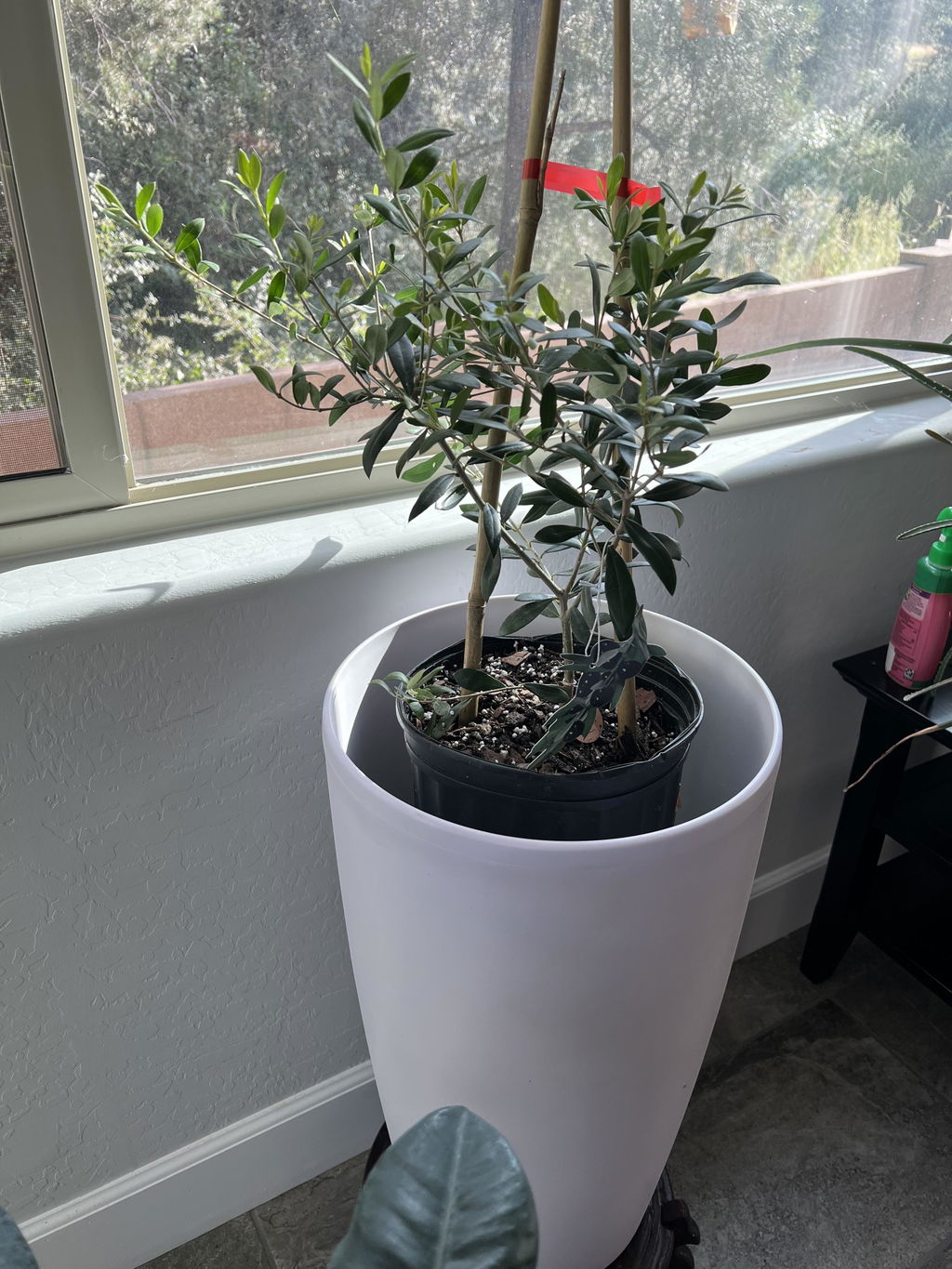
A Practical Guide to Protecting Your Potted Plants From Extreme Heat
Key Takeaways
- Early morning or late afternoon watering prevents excess evaporation and supports deep root growth.
- Temporary shade, mulch, and smart pot placement are essential for keeping potted plants healthy during heat waves.
- Avoid fertilization and pruning when temperatures soar; plants need to focus on survival, not new growth!
- Consistent monitoring and grouping by water needs help create efficient, responsive care routines.
Table of Contents
- Introduction: Why Heatwaves Are Dangerous for Potted Plants
- 1. Mastering Watering Techniques
- 2. Strategic Shade and Temperature Management
- 3. Protecting Soil and Roots
- 4. Additional Care Tips for Healthy Plants
- Avoid These Common Pitfalls: What NOT to Do During a Heatwave
- A Blooming Conclusion
- FAQ
Introduction: Why Heatwaves Are Dangerous for Potted Plants
As summer temperatures climb, we often retreat to the comfort of air conditioning, but our green companions outside don't have that luxury. While sunlight is essential for growth, extreme heatwaves can push plants past their physiological limits. For gardeners, understanding this threat is the first step to mitigation.
The Unique Vulnerability of Container Gardens
You might wonder, "Why do my potted plants suffer while the shrubs in the ground seem fine?" The answer lies in insulation. The earth provides a massive buffer that keeps ground soil relatively cool. Potted plants, however, are living on "islands."
Confined to a limited volume of soil, the root ball in a pot heats up much faster, sometimes reaching temperatures that can literally cook the tender roots. Furthermore, water evaporates at an accelerated rate in containers. This choice of properly drained and moisture-retentive soil is not just a matter of growth, but of survival during these scorching periods.

Recognizing the Distress Signals: Is Your Plant Overheating?
Plants communicate their stress through physical changes long before they completely collapse. Learning to spot these "SOS signals" early gives you time to intervene. Look out for these key symptoms:
- Sunburn (Scorched Patches): Just like human skin, leaves can burn. Look for bleached, white, or brown patches in the center of the leaves, particularly those facing the afternoon sun.
- Rapid Wilting and Yellowing: If your plant droops during the day but perks up at night, it is managing water loss naturally. However, if it remains wilted or turns yellow rapidly, it is in critical condition. To distinguish this from other root diseases, we recommend cross-referencing with our guide on diagnosing yellow leaves and drooping stems.
- Scorched Leaf Edges: Brown, crispy margins ("marginal necrosis") indicate that water is evaporating from the leaves faster than the roots can supply it, a classic sign of extreme dehydration.
- Flower and Fruit Drop: When survival is at stake, plants will conserve energy by shedding "expensive" parts like blossoms and young fruit. This is a natural defense mechanism, not necessarily a disease.
- Unusually Dry, Hydrophobic Soil: In extreme heat, peat-based soil can pull away from the pot's edges and become hard. Water runs straight down the gap without soaking in. This "hydrophobic" state requires a deep soak to reset.

1. Mastering Watering Techniques
Water Wisely
The key element in protecting your potted plants during extreme heat is effective watering. Instead of giving them a quick splash, consider a deep soak. Watering deeply encourages the development of strong root systems that can withstand heat better. Aim to water early in the morning or late in the afternoon when temperatures are cooler, and evaporation is minimized. However, hydration is a delicate balance; even in a heatwave, roots need oxygen. Mastering the technique to save your plants from overwatering is just as crucial as keeping them from drying out.
Optimize with Efficient Methods
Utilizing efficient watering methods such as drip irrigation or soaker hoses can make a significant difference in keeping your plants hydrated without wasting water. These systems provide moisture directly to the roots, keeping them cooler and healthier. Alternatively, if you prefer a more hands-on approach, consider using an olla pot irrigation system, a traditional method that provides consistent moisture.

2. Strategic Shade and Temperature Management
Relocate for Relief
Sometimes, a simple shift in placement can offer tremendous relief from harsh sunlight. If your potted plants sit under direct sunlight, consider moving them into more shaded areas during the hottest parts of the day. Creating a rolling system with your pots can make relocating easier as temperatures fluctuate.
Create Temporary Shade
When complete relocation is impractical, employing shade cloth or even a light-colored sheet can provide much-needed respite from the sun. These materials allow air circulation while protecting against intense sunlight. You’ll find that your plants will appreciate that extra layer of care.

3. Protecting Soil and Roots
Make Use of Mulch
Applying a layer of organic mulch, such as shredded bark, pine needles, or straw, can work wonders for your plants. Aim for a thickness of about 2-4 inches to regulate soil temperature, minimize evaporation, and suppress pesky weeds. Studies show that proper mulching can reduce soil moisture evaporation by up to 35%, acting as a vital shield during extreme temperatures. During particularly scorching heat spells, don’t hesitate to increase this layer for added protection.
Block Container Heating
Remember, those beautiful pots can absorb and distribute heat, jeopardizing root health. Shielding your containers from direct sunlight can combat this problem significantly. Covering your pots with mulch or creating shade around them ensures that your plant roots can breathe and stay cool. Furthermore, ensuring your container is filled with properly drained soil prevents the water from turning into hot steam within the pot, which can cook the roots.

4. Additional Care Tips for Healthy Plants
Skip the Fertilizer and Pruning
During heat waves, it’s crucial to avoid stressing your plants even further. Resist the urge to fertilize, as plants under stress won’t benefit from additional nutrients. The same goes for pruning; leave any sun-damaged leaves intact as they serve as protective layers for the rest of your plant.
Keep a Close Eye on Plant Health
Be proactive in monitoring your plants for signs of heat stress. Changes like wilting, yellowing, or drooping leaves are telltale signs that adjustments need to be made. Distinguishing between simple thirst and heat stress can be tricky. Diagnosing yellow leaves and drooping stems correctly ensures you don't accidentally make the problem worse. Consider grouping plants with similar watering needs to create a responsive yet efficient care routine during sweltering days.
Avoid These Common Pitfalls: What NOT to Do During a Heatwave
While our instincts tell us to "do more" when we see our plants suffering, certain well-intentioned actions can actually cause more harm than good. To ensure your rescue efforts are effective, steer clear of these three common mistakes:
1. Watering at High Noon
It might seem logical to cool off a plant when the sun is at its peak, but this is often counterproductive. Water evaporates rapidly at midday, meaning less moisture reaches the roots where it's needed most. Furthermore, water droplets sitting on foliage can act as magnifying glasses under the intense sun, leading to leaf scorch. Stick to early mornings or evenings, and master proper watering timing to ensure every drop counts.
2. Fertilizing While Stressed
It is tempting to give a wilting plant a "nutrient boost," thinking it needs energy to fight the heat. This is a dangerous myth. Fertilizers contain salts, and applying them to dehydrated roots can cause severe chemical burns. Plants often enter a state of semi-dormancy during extreme heat to conserve energy; forcing new growth now only exhausts them. Confusing heat stress with hunger is a common error; learn to recognize true plant stress signals before reaching for the plant food.
3. The "Ice Water" Shock
You might crave an ice-cold drink on a hot day, but your plants definitely do not. Pouring freezing water onto hot, baked soil causes "thermal shock," which can damage or kill the sensitive root hairs responsible for water uptake. Always use lukewarm or ambient-temperature water to cool the root zone down gradually and safely.
A Blooming Conclusion
As we embrace the beauty of our gardens and plant companions, let's not forget that nurturing them through harsh weather is an equally rewarding journey. With these engaging strategies, we can withstand the hottest days with confidence, ensuring our potted plants remain thriving and beautiful.
At Gingerglow, we’re here for you every step of the way, whether you're an experienced gardener or just starting your botanical journey. Our commitment to expert care and quality assurance means you can trust our advice and recommendations. Together, let’s grow healthier, more vibrant gardens that reflect the love we have for nature.
So, as summer approaches, prepare to embrace the heat with a sense of empowerment and optimism. Let’s grow together and elevate our outdoor spaces into lush retreats filled with life, color, and joy!
This blog post serves as your guide and companion through the care of your potted plants, ensuring you feel equipped with knowledge, support, and a sense of community. Happy gardening!
FAQ
How often should I water potted plants during extreme heat?
During heat waves, monitor the soil daily. Most plants will need water once a day, but always check if the top inch of soil is dry before watering again to avoid root rot.
Is it better to use clay or plastic pots in hot weather?
Both have pros and cons. Clay pots are porous and help excess moisture evaporate, but can dry out faster. Plastic pots retain moisture longer but can overheat in direct sun. Always monitor conditions and adjust as needed with mulch or shade.
Can I use any mulch to protect my potted plants?
Organic mulches like bark, straw, or pine needles work best. Avoid synthetic mulches, which may overheat or contain chemicals unsuitable for edible plants.
What signs should I watch for heat stress in my plants?
Look for wilting, leaf curling, browning edges, or yellowing leaves. Rapid response, moving to shade or watering deeply, can prevent long-term damage.
Should I move all my potted plants to the shade?
Not necessarily. Some heat-tolerant plants enjoy a bit of sun, but most benefit from partial shade during extreme heat. Evaluate each plant’s needs and adjust accordingly.