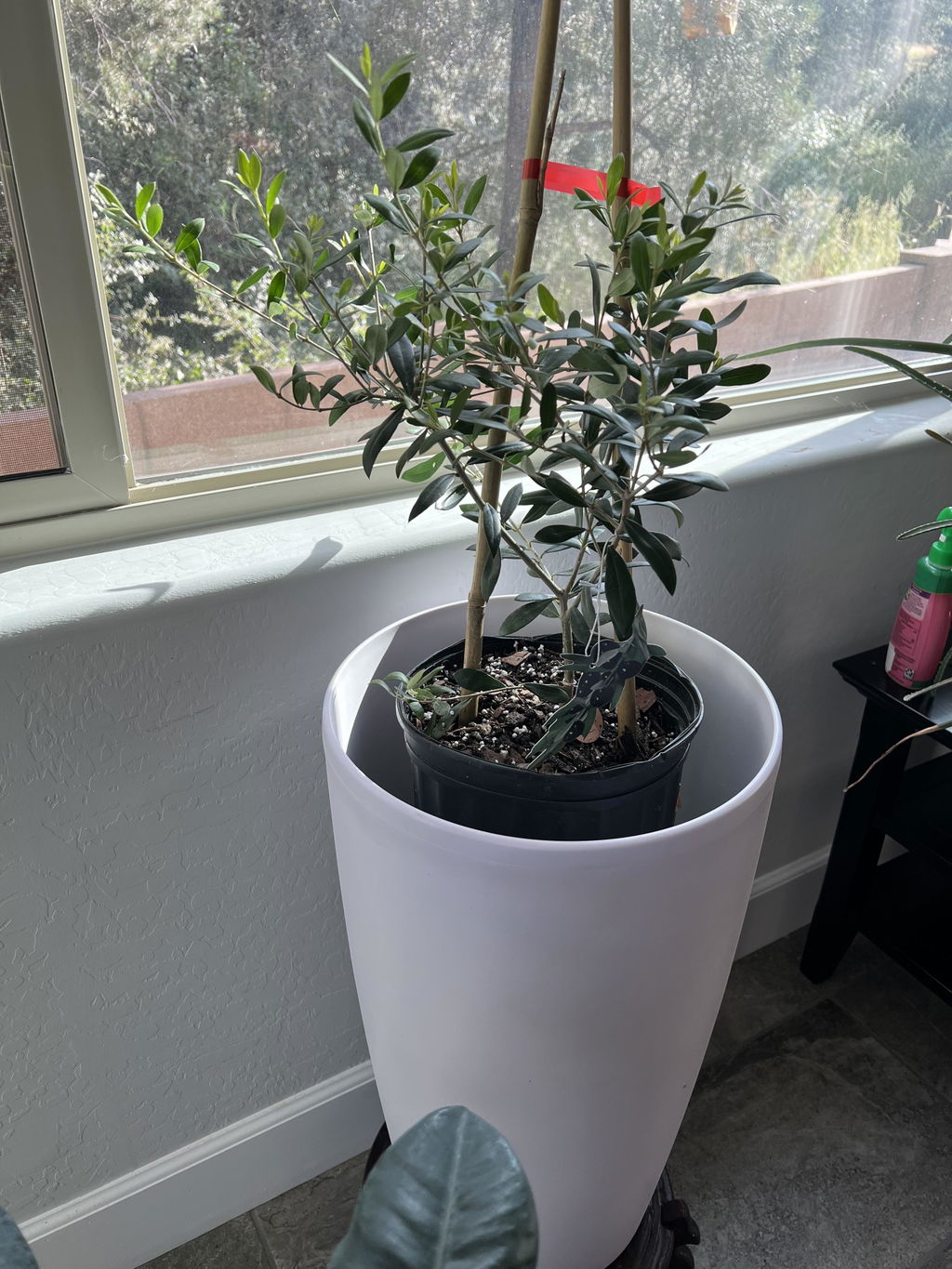
Choosing, Planting, and Maintaining Hedge Plants: Your Pathway to a Beautiful and Private Garden
- Thoughtful hedge selection creates private, beautiful, and structured gardens year-round.
- Evergreen and flowering hedges each provide unique benefits and seasonal interest.
- Proper planting, care, and maintenance are key to thriving hedge plants.
- Choosing native shrubs supports sustainability and local wildlife.
The Heart of Your Garden: Understanding Hedges
Hedges can serve as living walls, defining the boundaries of your garden while providing privacy and enhancing the allure of your landscape. With a myriad of options available, the key is to choose the right shrub that meets your climate and design goals. Let’s dive into the various hedge types that can elevate your outdoor experience.

Types of Hedges: A Curated Selection for Every Garden Style
Not all hedges are created equal. Whether you need a fortress for privacy or a canvas of seasonal color, selecting the right species is paramount. Here are five expert-recommended varieties that offer distinct benefits for your landscape.
1. The Privacy Powerhouse: Cherry Laurel (Prunus laurocerasus)
If your goal is a dense, year-round green screen, the Cherry Laurel is a top contender. This broadleaf evergreen boasts glossy, dark green leaves and grows rapidly. It is perfect for blocking noise and prying eyes.
- Why we love it: It creates a lush, "living wall" faster than most species.
- Care Tip: Because of its vigorous growth, it can get unruly. Applying correct seasonal pruning techniques is essential to keep it dense and well-shaped without sacrificing its natural beauty.

Planting a robust, fast-growing Cherry Laurel specimen is the most effective way to fast-track that lush living wall, ensuring your garden privacy arrives sooner.
2. The Winter Warrior: Red Osier Dogwood (Cornus sericea)
Don't let your garden look drab in winter. This native shrub is famous for its striking, bright red stems that stand out beautifully against snow or dormant landscapes. In spring and summer, it offers lovely white blossoms and berries for birds.
- Why we love it: It provides four-season interest and tolerates wet soil better than most.
- Care Tip: While it loves moisture, stagnant water can still be an issue; ensuring you understand what constitutes properly drained soil will prevent fungal issues while keeping the roots hydrated.

Incorporating a vibrant Red Osier Dogwood shrub into your mixed border ensures that your landscape remains a visual delight with its striking crimson stems, even when the rest of the garden is asleep under snow.
3. The Fiery Showstopper: Burning Bush (Euonymus alatus)
True to its name, the Burning Bush transforms into a spectacular blaze of scarlet red in the autumn, making it an irresistible focal point. It is low-maintenance and shapes easily into a neat hedge.
- Why we love it: Unmatched fall color that lights up the entire landscape.
- Care Tip: To maintain that vibrant foliage, this shrub needs energy. Feeding it with a balanced slow-release fertilizer in early spring ensures a spectacular autumn show.
- Note: In some regions, this plant can spread aggressively. We recommend checking your local invasive plant registry to ensure it is safe for your specific ecosystem.

To guarantee that spectacular scarlet transformation in your own backyard, starting with a well-established Burning Bush, is the key to creating an unforgettable autumn focal point.
4. The Spring Herald: Lynwood Gold Forsythia
Signal the end of winter with an explosion of yellow! The Lynwood Gold variety is an improved Forsythia that produces masses of golden-yellow flowers along every inch of its stems before the leaves even appear.
- Why we love it: It is one of the earliest bloomers, bringing cheer when you need it most.
- Care Tip: This plant flowers on "old wood." To avoid cutting off next year's blooms, make sure you prune it immediately after flowering ends in spring.

You can secure that early-season burst of sunshine by positioning a bud-heavy Lynwood Gold Forsythia near your entryway, welcoming spring’s warmth before anything else wakes up.
5. The Architectural Native: Staghorn Sumac (Rhus typhina)
For a wilder, more naturalistic hedge, look no further than the Staghorn Sumac. Known for its velvety, antler-like branches and brilliant tropical-looking fronds, it adds unique texture to the garden. It produces fuzzy red fruit clusters that persist through winter.
- Why we love it: It is incredibly drought-tolerant and thrives in poor soil where others fail.
- Care Tip: This is a great choice for "lazy" gardeners. Its hardiness means you don't have to worry constantly about hydration, perfect for those learning to save plants from overwatering by choosing resilient species.

For gardeners seeking architectural drama without the high maintenance, a drought-tolerant Staghorn Sumac serves as an instant, rugged centerpiece that thrives even in the poorest soil conditions.
The Art of Planting Your Hedges
Once you’ve selected the perfect hedges, it’s time to plant them! Here’s a step-by-step guide to ensure your shrubs thrive:
- Pick the Right Time: Early spring or fall is the best time to plant most hedge shrubs, allowing them to establish roots before the heat of summer or extreme winter.
- Choose the Right Location: Consider sunlight, drainage, and proximity to other plants. Some hedges prefer full sun, while others thrive in partial shade.
- Prepare the Soil: Ensure good drainage and nutrient content by enriching your soil with organic matter. This can be compost or well-rotted manure.
- Spacing: Depending on the hedge type, determine how far apart to plant. Dense hedges like arborvitae may require less space than lilacs, which spread wider.
- Watering: Immediately water after planting and keep the soil consistently moist (but not soggy) until established.

Nurturing Your Hedges: Maintenance Tips
To ensure your hedge remains healthy and appealing, regular maintenance is crucial. Here are some tips:
- Pruning: This is vital for growth and shape. Fast-growing hedges may need pruning one to two times a year, while slower-growing types like boxwood can be pruned annually.
- Watering: During dry spells, ensure your hedges receive adequate water, especially in the first year after planting.
- Fertilizing: Feed your hedges with a balanced fertilizer in the spring to promote healthy growth.
- Pest Control: Keep an eye out for pests that may affect your plants. Consult local gardening resources or professionals for eco-friendly solutions.

The Year-Round Beauty of Hedges
Imagine stepping into your garden to find a lush, green hedge that evolves with the seasons. Evergreen shrubs provide unyielding structure and beauty, while flowering plants add seasonal colors and fragrances, turning your garden into a picturesque retreat throughout the year.
Sustainability in Your Garden
Gardening is more than just beautifying a space; it is also about caring for the environment. Investing in native hedges supports local ecosystems, encourages biodiversity, and creates a healthier habitat for wildlife. By planting sustainably, you cultivate a garden that sanctions nature’s rhythm while ensuring your blooms flourish.

Let’s Grow Together!
A well-chosen hedge does more than just mark a boundary; it transforms an open yard into a private sanctuary, sheltering your moments of relaxation from the outside world. Whether you envision a towering green wall for privacy or a low, flowering border to welcome guests, the right plants are the foundation of that vision.
You don't have to wait years to see results. By starting with vigorous, high-quality hedge shrubs, you set the stage for a lush, structured landscape that grows more beautiful with every season.
Let’s turn your garden plan into reality. Your outdoor oasis is closer than you think. Let's grow together!

FAQ
-
What are the best hedge plants for privacy?
For privacy, fast-growing evergreens like arborvitae and English laurel are popular choices. Boxwood and holly also offer dense coverage for year-round privacy. -
How often should I prune my hedge?
Fast-growing hedges may require pruning 1-2 times a year, while slower growers like boxwood can be pruned annually. Pruning keeps your hedge healthy and helps maintain its shape. -
When is the best time to plant hedge shrubs?
Early spring or fall are ideal for most hedge shrubs. This allows plants to establish roots before summer heat or winter cold sets in. -
Why should I choose native shrubs for my hedge?
Native shrubs require less maintenance, are better for the local environment, and offer crucial shelter and food for wildlife. They also tend to be more resilient to pests and diseases in your area.